
镁与偏头痛
Magnesium and Migraine.
作者信息
Dominguez Ligia J, Veronese Nicola, Sabico Shaun, Al-Daghri Nasser M, Barbagallo Mario
机构信息
Department of Medicine, "Kore" University of Enna, 94100 Enna, Italy.
Geriatric Unit, Department of Medicine, University of Palermo, 90127 Palermo, Italy.
出版信息
Nutrients. 2025 Feb 18;17(4):725. doi: 10.3390/nu17040725.
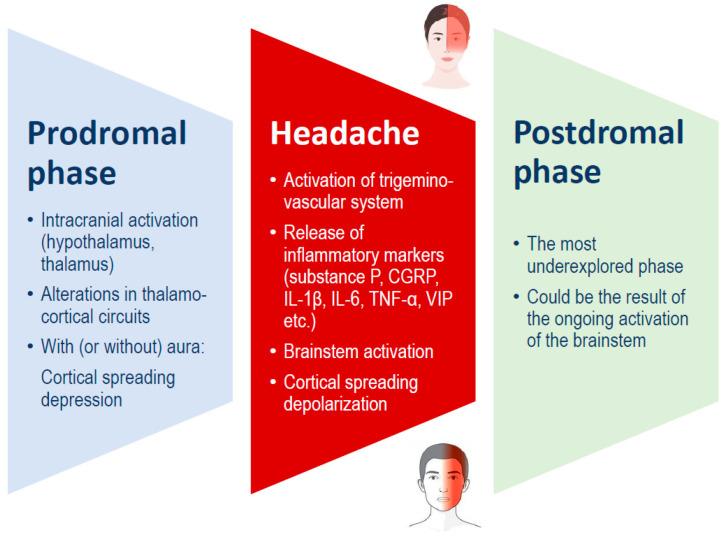
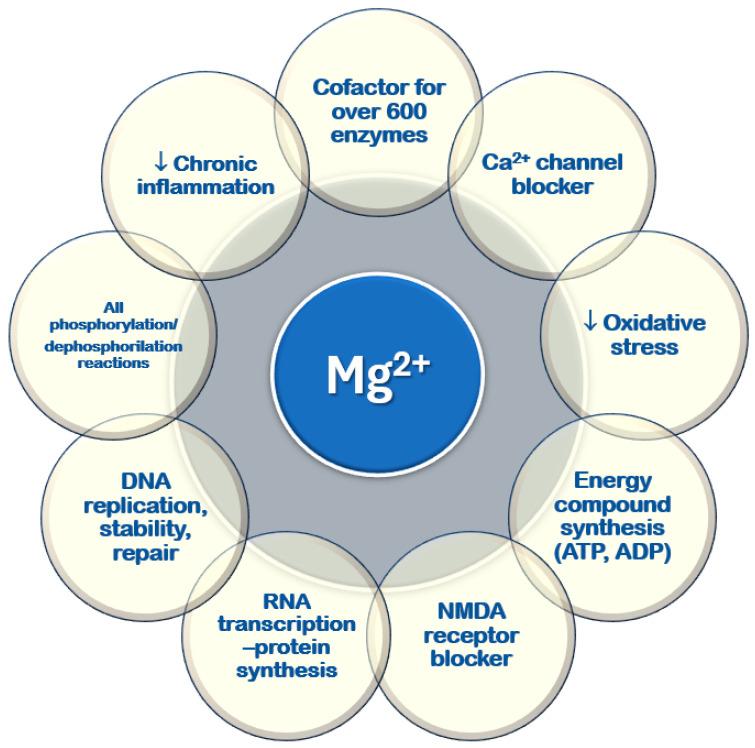
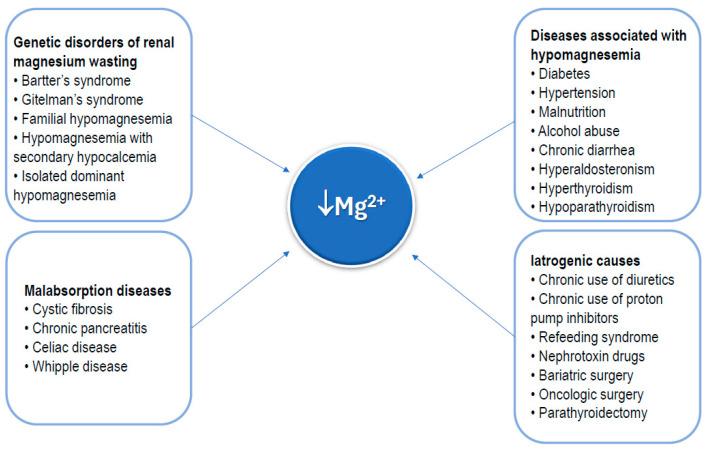
Migraine is a widespread and intricate neurological condition that involves various factors and is marked by recurring headache episodes. Migraine is among the ten neurological conditions accounting for the greatest disability in the whole population, the leading cause of disability for children and adolescents aged 5-19 years, and the second cause of disability for adults aged 20-59 years. Magnesium deficiency is also a very common condition resulting from diverse reasons, including insufficient dietary consumption or increased loss through the gastrointestinal or renal system. Accumulated evidence from case reports, case-control studies, observational studies, and randomized, placebo-controlled trials has shown the effectiveness of magnesium supplementation in alleviating migraine, both acutely and chronically. Mechanisms that may help explain these results include the potential link between magnesium deficit and spreading cortical depression, vascular changes, oxidative stress, chronic inflammation, nervous excitation, neurotransmitter release, and electrolyte imbalances. This article aims to provide a comprehensive review of the available evidence on the links between magnesium and migraine, considering the role of magnesium in the pathogenesis of migraine and the utility of magnesium in its prevention and treatment.
偏头痛是一种广泛且复杂的神经系统疾病,涉及多种因素,其特征为反复发作的头痛。偏头痛是导致全人群残疾的十大神经系统疾病之一,是5至19岁儿童和青少年残疾的主要原因,也是20至59岁成年人残疾的第二大原因。镁缺乏也是一种非常常见的情况,由多种原因引起,包括饮食摄入不足或通过胃肠道或肾脏系统的流失增加。来自病例报告、病例对照研究、观察性研究以及随机安慰剂对照试验的累积证据表明,补充镁在急性和慢性缓解偏头痛方面均有效。可能有助于解释这些结果的机制包括镁缺乏与皮质扩散性抑制、血管变化、氧化应激、慢性炎症、神经兴奋、神经递质释放以及电解质失衡之间的潜在联系。本文旨在全面综述关于镁与偏头痛之间联系的现有证据,同时考虑镁在偏头痛发病机制中的作用以及镁在其预防和治疗中的效用。

 Zotero 插件