
高通量筛选鉴定出针对肺炎克雷伯菌和大肠杆菌中耐甲氧苄啶的二氢叶酸还原酶A1(DfrA1)蛋白的潜在抑制剂。
High throughput screening identifies potential inhibitors targeting trimethoprim resistant DfrA1 protein in Klebsiella pneumoniae and Escherichia coli.
作者信息
Hasnat Soharth, Rahman Soaibur, Alam Meherun Binta, Suin Farha Mohi, Yeasmin Farzana, Suha Tanjila, Supty Nahuna Tanjin, Sabila Sal, Chowdhury Animesh, Shahinuzzaman A D A, Mahbub M Murshida, Islam Tofazzal, Hoque M Nazmul
机构信息
Department of Genetic Engineering and Biotechnology, East West University, Dhaka, 1212, Bangladesh.
Institute of Biotechnology and Genetic Engineering, Gazipur Agricultural University (GAU), Gazipur, 1706, Bangladesh.
出版信息
Sci Rep. 2025 Feb 28;15(1):7141. doi: 10.1038/s41598-025-91410-4.
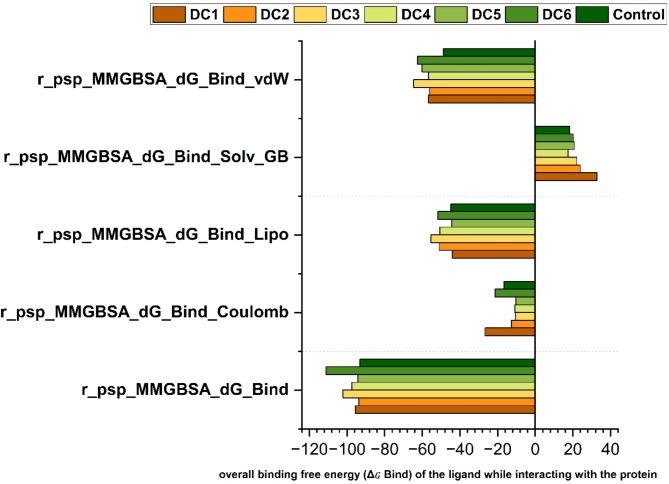
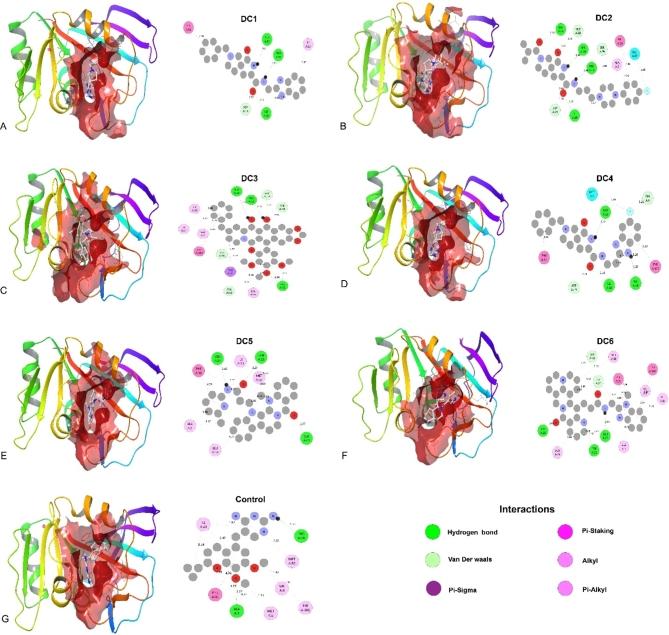
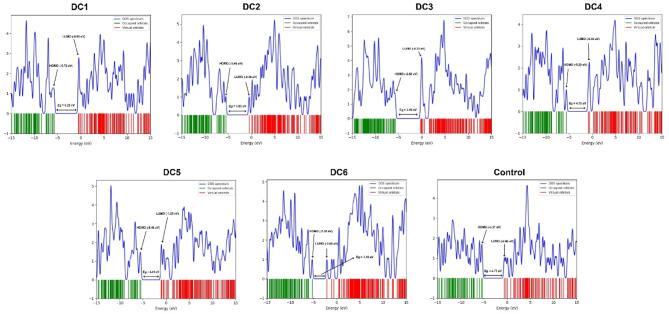
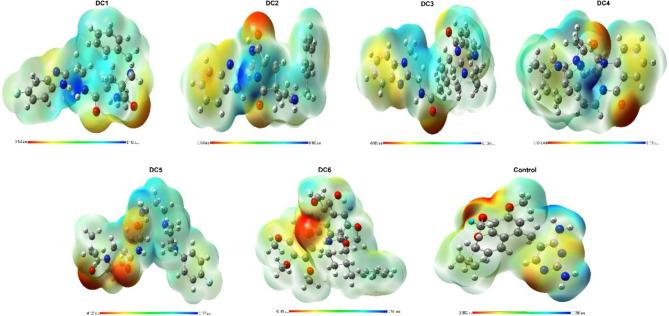
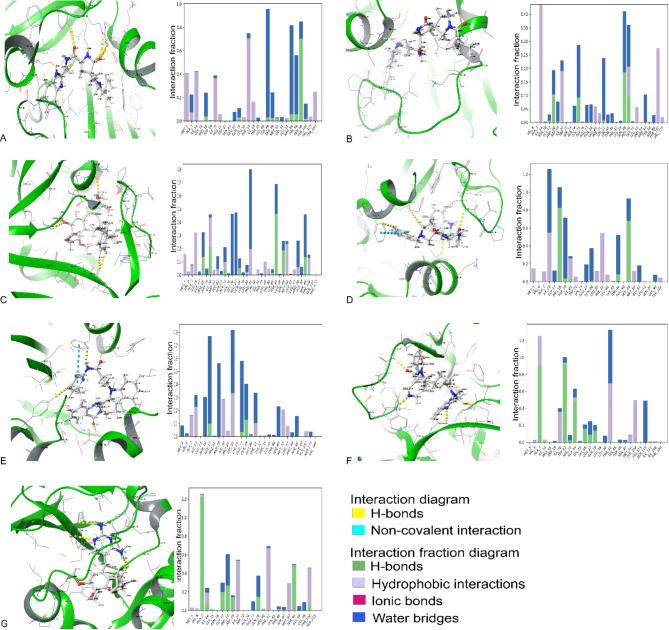
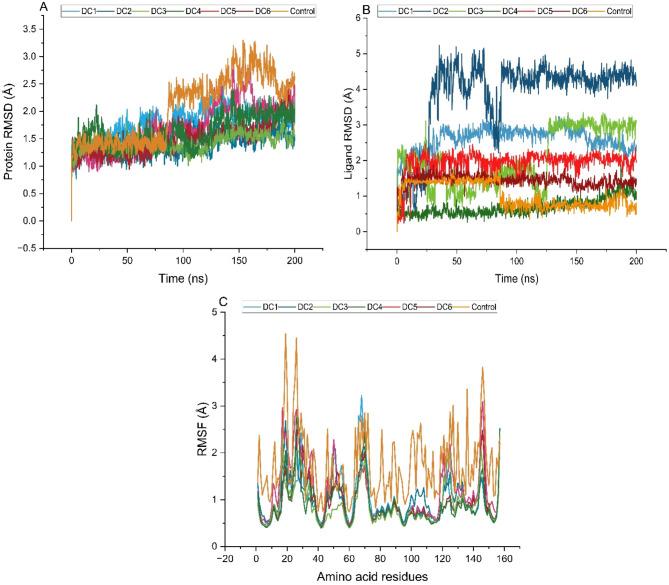
The DfrA1 protein provides trimethoprim resistance in bacteria, especially Klebsiella pneumoniae and Escherichia coli, by modifying dihydrofolate reductase, which reduces the binding efficacy of the antibiotic. This study identified inhibitors of the trimethoprim-resistant DfrA1 protein through high-throughput computational screening and optimization of 3,601 newly synthesized chemical compounds from the ChemDiv database, aiming to discover potential drug candidates targeting DfrA1 in K. pneumoniae and E. coli. Through this approach, we identified six promising DCs, labeled DC1 to DC6, as potential inhibitors of DfrA1. Each DC showed a strong ability to bind effectively to the DfrA1 protein and formed favorable chemical interactions at the binding sites. These interactions were comparable to those of Iclaprim, a well-known antibiotic effective against DfrA1. To confirm our findings, we explored how the promising DCs work at the molecular level, focusing on their thermodynamic properties. Additionally, molecular dynamics simulations confirmed the ability of these six DCs to effectively inhibit the DfrA1 protein. Our results showed that DC4 (an organofluorinated compound) and DC6 (a benzimidazole compound) exhibited potential efficacy against the DfrA1 protein than the control drug, particularly regarding stability, solvent-accessible surface area, solvent exposure, polarity, and binding site interactions, which influence their residence time and efficacy. Overall, findings of this study suggest that DC4 and DC6 have the potential to act as inhibitors against the DfrA1, offering promising prospects for the treatment and management of infections caused by trimethoprim-resistant K. pneumoniae and E. coli in both humans and animals. However, further in vitro validations are necessary.
DfrA1蛋白通过修饰二氢叶酸还原酶赋予细菌对甲氧苄啶的抗性,尤其是肺炎克雷伯菌和大肠杆菌,这种修饰降低了抗生素的结合效力。本研究通过高通量计算筛选和优化ChemDiv数据库中的3601种新合成化合物,确定了甲氧苄啶抗性DfrA1蛋白的抑制剂,旨在发现针对肺炎克雷伯菌和大肠杆菌中DfrA1的潜在候选药物。通过这种方法,我们确定了六种有前景的化合物(DCs),标记为DC1至DC6,作为DfrA1的潜在抑制剂。每个DC都表现出与DfrA1蛋白有效结合的强大能力,并在结合位点形成了良好的化学相互作用。这些相互作用与Iclaprim(一种对DfrA1有效的知名抗生素)的相互作用相当。为了证实我们的发现,我们研究了这些有前景的DCs在分子水平上的作用方式,重点关注它们的热力学性质。此外,分子动力学模拟证实了这六种DCs有效抑制DfrA1蛋白的能力。我们的结果表明,DC4(一种有机氟化合物)和DC6(一种苯并咪唑化合物)对DfrA1蛋白的潜在效力高于对照药物,特别是在稳定性、溶剂可及表面积、溶剂暴露、极性和结合位点相互作用方面,这些因素会影响它们的停留时间和效力。总体而言,本研究结果表明DC4和DC6有可能作为DfrA1的抑制剂,为治疗和管理由耐甲氧苄啶的肺炎克雷伯菌和大肠杆菌引起的人类和动物感染提供了有前景的前景。然而,还需要进一步的体外验证。

 Zotero 插件