
拉沙病毒蛋白-蛋白相互作用作为拉沙热发病机制的介质
Lassa virus protein-protein interactions as mediators of Lassa fever pathogenesis.
作者信息
Jan Sharon, Phadke Kruttika S, Lam Victor L, Branda Steven S, Johnson Dylan M
机构信息
Department of Biotechnology and Bioengineering, Sandia National Laboratories, Livermore, CA, 94550, USA.
Department of Systems Biology, Sandia National Laboratories, Livermore, CA, 94550, USA.
出版信息
Virol J. 2025 Feb 28;22(1):52. doi: 10.1186/s12985-025-02669-y.
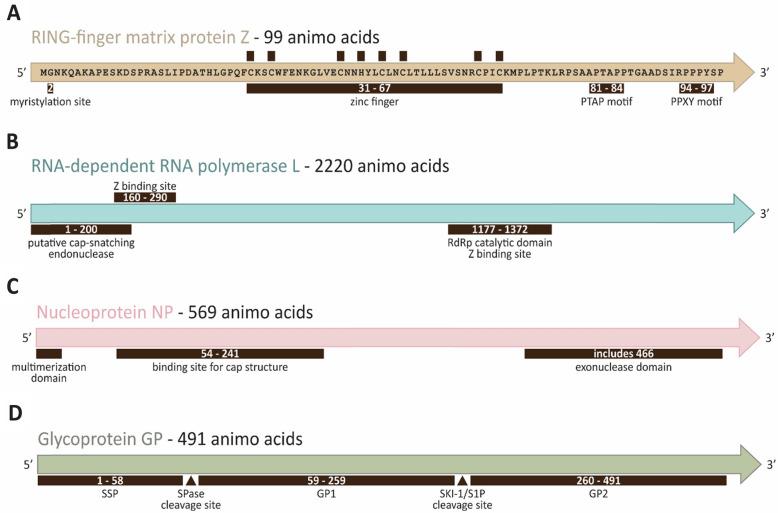
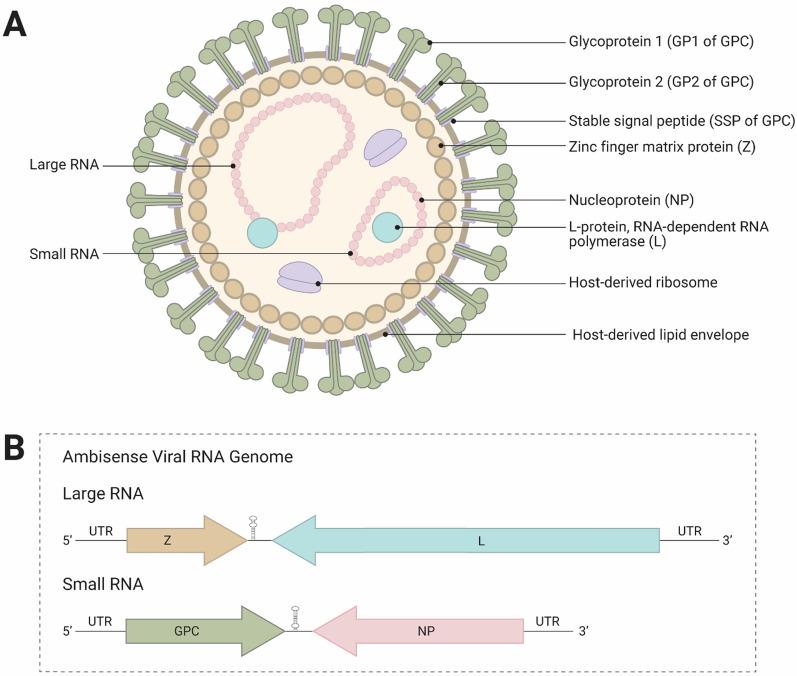
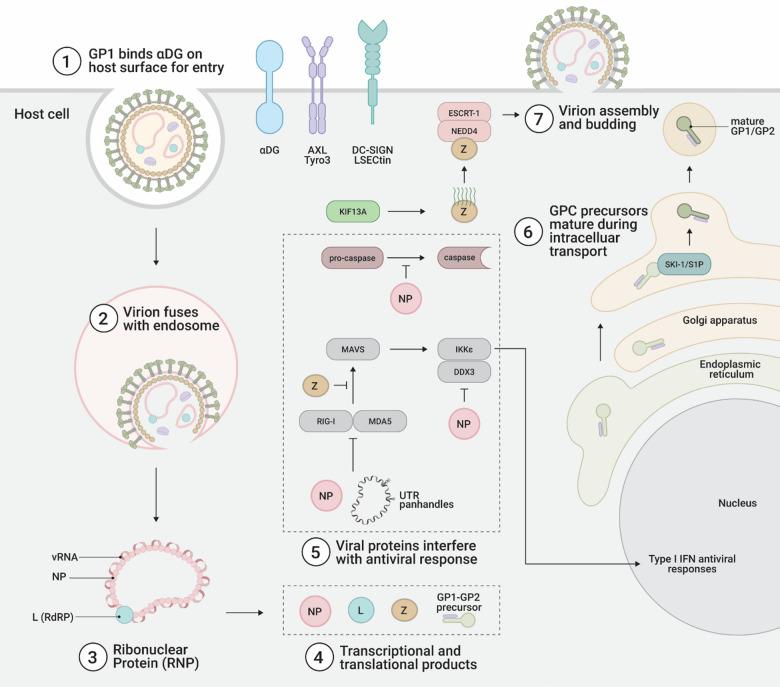
Viral hemorrhagic Lassa fever (LF), caused by Lassa virus (LASV), is a significant public health concern endemic in West Africa with high morbidity and mortality rates, limited treatment options, and potential for international spread. Despite advances in interrogating its epidemiology and clinical manifestations, the molecular mechanisms driving pathogenesis of LASV and other arenaviruses remain incompletely understood. This review synthesizes current knowledge regarding the role of LASV host-virus interactions in mediating the pathogenesis of LF, with emphasis on interactions between viral and host proteins. Through investigation of these critical protein-protein interactions, we identify potential therapeutic targets and discuss their implications for development of medical countermeasures including antiviral drugs. This review provides an update in recent literature of significant LASV host-virus interactions important in informing the development of targeted therapies and improving clinical outcomes for LF patients. Knowledge gaps are highlighted as opportunities for future research efforts that would advance the field of LASV and arenavirus pathogenesis.
由拉沙病毒(LASV)引起的病毒性出血性拉沙热(LF)是西非地区特有的一个重大公共卫生问题,其发病率和死亡率很高,治疗选择有限,且有国际传播的潜在风险。尽管在研究其流行病学和临床表现方面取得了进展,但驱动LASV及其他沙粒病毒发病机制的分子机制仍未完全明确。本综述综合了关于LASV宿主 - 病毒相互作用在介导拉沙热发病机制中作用的现有知识,重点关注病毒与宿主蛋白之间的相互作用。通过对这些关键蛋白质 - 蛋白质相互作用的研究,我们确定了潜在的治疗靶点,并讨论了它们对包括抗病毒药物在内的医学应对措施开发的意义。本综述更新了近期有关LASV宿主 - 病毒重要相互作用的文献,这些相互作用对于指导靶向治疗的开发和改善拉沙热患者的临床结局具有重要意义。知识空白被强调为未来研究工作的机会,这些研究将推动LASV和沙粒病毒发病机制领域的发展。
 Zotero 插件