
类固醇受体与共调节因子:性别差异的传播及新兴技术
Steroid receptors and coregulators: Dissemination of sex differences and emerging technologies.
作者信息
Pauss Sally N, Bates Evelyn A, Martinez Genesee J, Bates Zane T, Kipp Zachary A, Gipson Cassandra D, Hinds Terry D
机构信息
Drug & Disease Discovery D3 Research Center, Department of Pharmacology and Nutritional Sciences, University of Kentucky College of Medicine, Lexington, Kentucky, USA.
Department of Bioengineering, University of Toledo College of Engineering, Toledo, Ohio, USA.
出版信息
J Biol Chem. 2025 Apr;301(4):108363. doi: 10.1016/j.jbc.2025.108363. Epub 2025 Feb 27.
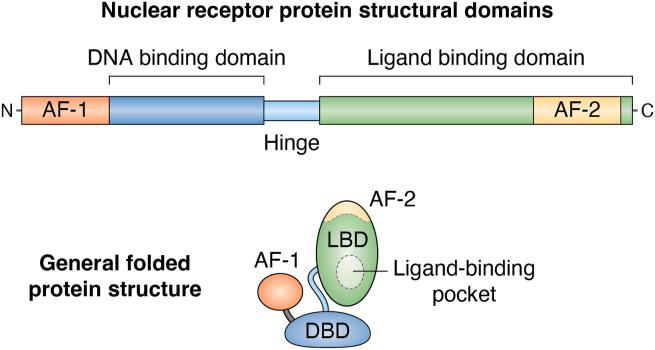
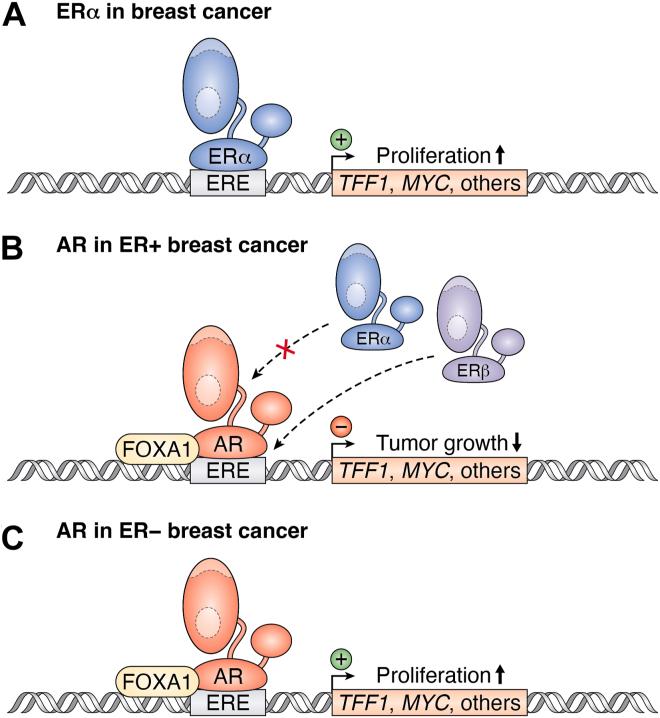
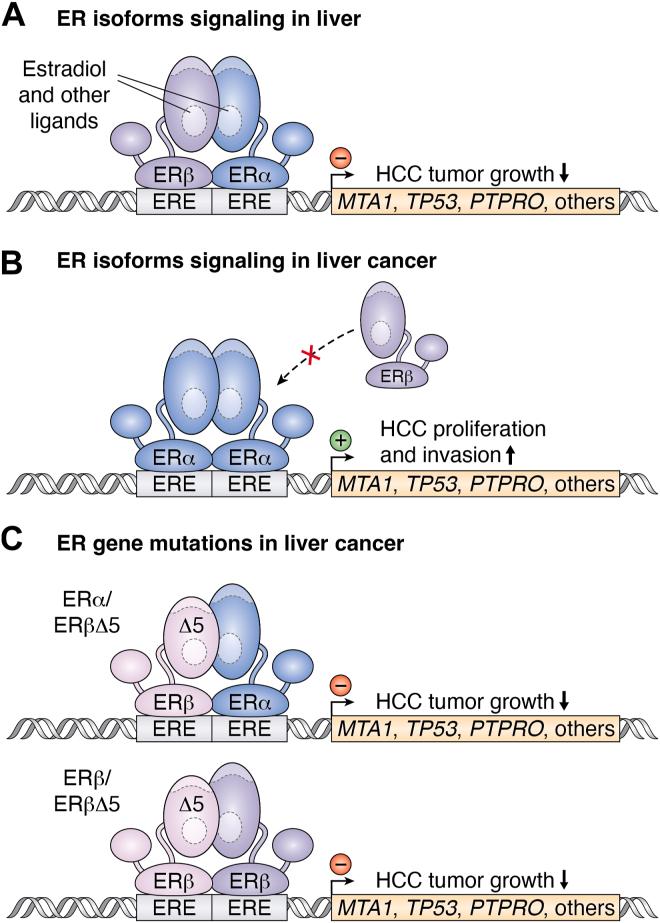
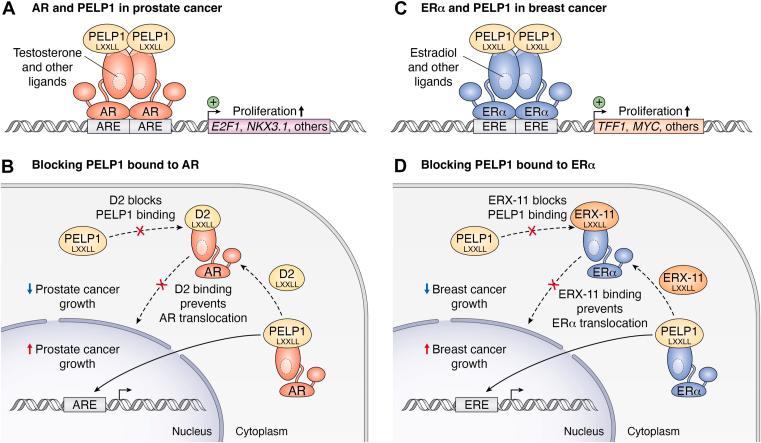
Steroid receptors are ligand-induced transcription factors that have broad functions among all living animal species, ranging from control of sex differences, body weight, stress responses, and many others. Their binding to coregulator proteins is regulated by corepressors and coactivators that interchange upon stimulation with a ligand. Coregulator proteins are an imperative and understudied aspect of steroid receptor signaling. Here, we discuss steroid receptor basics from protein domain structures that allow them to interact with coregulators and other proteins, their essential functions as transcription factors, and other elemental protein-protein interactions. We deliberate about the mechanisms that coregulators control in steroid receptor signaling, sex hormone signaling differences, sex hormone treatment in the opposite sex, and how these affect the coregulator and sex steroid receptor complexes. The steroid receptor-coregulator signaling mechanisms are essential built-in components of the mammalian DNA that mediate physiological and everyday functions. Targeting their crosstalk might be useful when imbalances lead to disease. We introduce novel technologies, such as the PamGene PamStation, which make investigating the heterogeneity of the steroid receptor-coregulator complexes and targeting their binding more feasible. This review provides an extensive understanding of steroid receptor-coregulator signaling and how these interactions are intrinsic to many physiological functions that may offer therapeutic advantages.
类固醇受体是配体诱导的转录因子,在所有现存动物物种中具有广泛功能,包括控制性别差异、体重、应激反应等诸多方面。它们与共调节蛋白的结合受共抑制因子和共激活因子调控,这些因子在配体刺激下会相互转换。共调节蛋白是类固醇受体信号传导中一个至关重要但研究不足的方面。在此,我们从蛋白质结构域出发讨论类固醇受体的基础知识,这些结构域使其能够与共调节蛋白及其他蛋白质相互作用,探讨它们作为转录因子的基本功能以及其他基本的蛋白质 - 蛋白质相互作用。我们深入研究共调节蛋白在类固醇受体信号传导中所控制的机制、性激素信号传导差异、异性中的性激素治疗,以及这些如何影响共调节蛋白和性激素受体复合物。类固醇受体 - 共调节蛋白信号传导机制是哺乳动物DNA的重要内在组成部分,介导生理和日常功能。当失衡导致疾病时,针对它们的相互作用可能会有所帮助。我们介绍了诸如PamGene PamStation等新技术,这些技术使研究类固醇受体 - 共调节蛋白复合物的异质性及其结合靶向变得更加可行。本综述全面阐述了类固醇受体 - 共调节蛋白信号传导,以及这些相互作用如何是许多生理功能的内在因素,可能具有治疗优势。


 Zotero 插件