
5:2饮食法对超重和/或肥胖者体重减轻及心血管疾病风险因素的影响:一项系统综述与荟萃分析
Effect of the 5:2 Diet on Weight Loss and Cardiovascular Disease Risk Factors in Overweight and/or Obesity: A Systematic Review and Meta-Analysis.
作者信息
Wu Cui, Chen Binqin, Yu Jing, Zhang Qi, Piao Chunli
机构信息
College of Traditional Chinese Medicine, Changchun University of Chinese Medicine, Changchun, Jilin, China.
Applicants with Equivalent Academic Qualifications for Master Degree, Guangzhou University of Chinese Medicine, Guangzhou, Guangdong, China.
出版信息
Int J Endocrinol. 2025 Feb 24;2025:6658512. doi: 10.1155/ije/6658512. eCollection 2025.
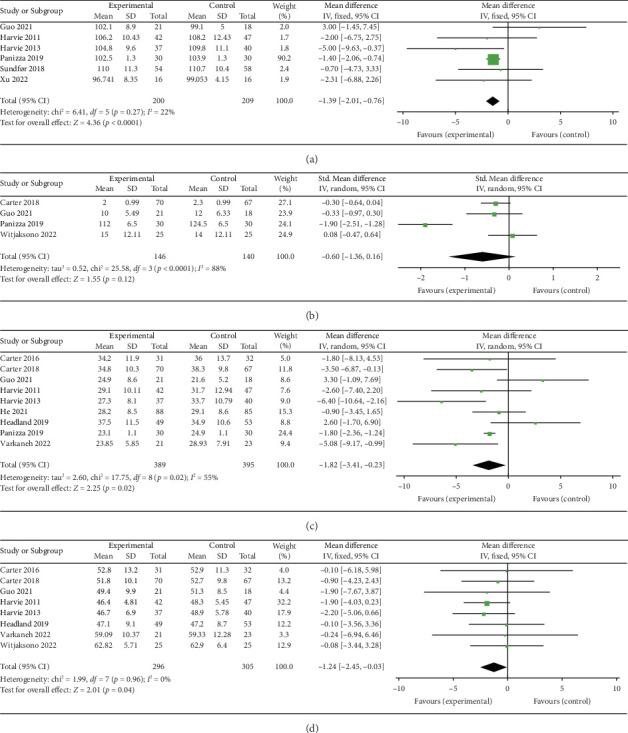
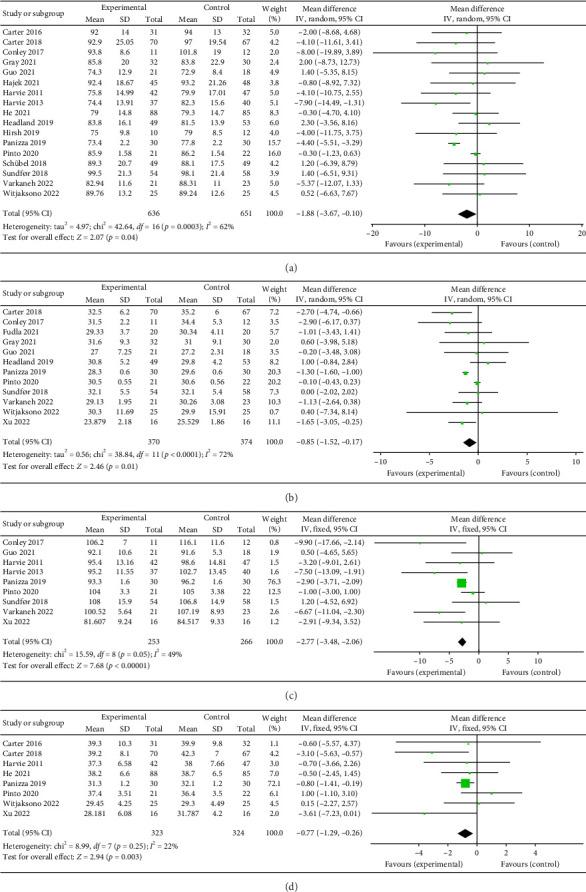
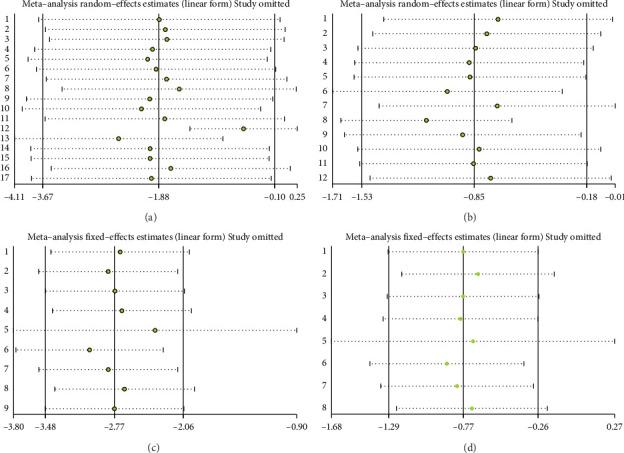
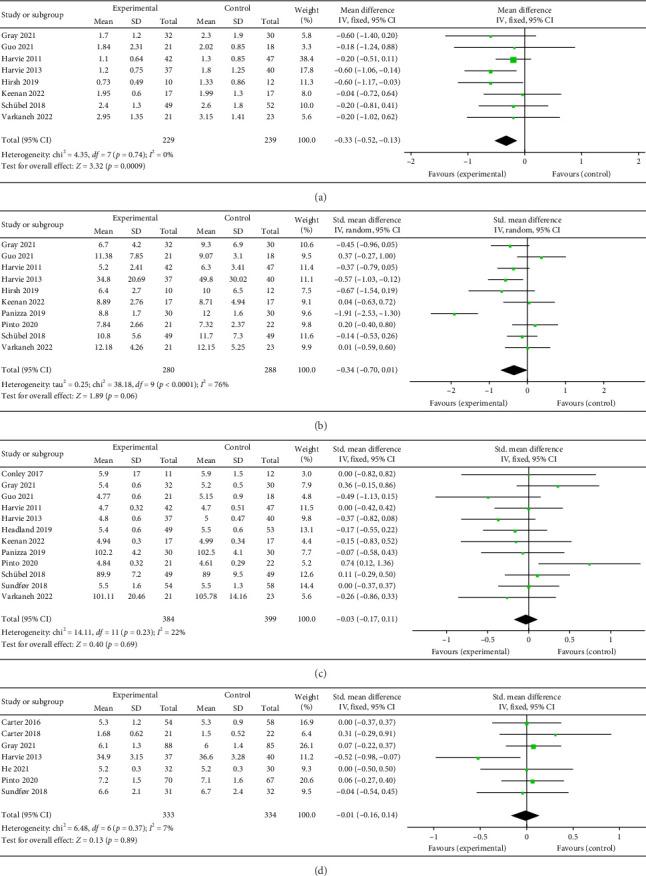
We conducted a systematic review and meta-analysis to evaluate the effects of the 5:2 diet on weight loss and cardiovascular disease (CVD) risk factors in overweight and obese individuals. Databases (PubMed, The Cochrane Library, Web of Science, Embase) were searched for randomized controlled trials of the intervention effects of the 5:2 diet in overweight and obese individuals. The search period was from database establishment to April 2024. RevMan 5.3 and Stata 14.0 were used for the meta-analysis. A total of 20 articles with 1393 participants were finally included. There were 689 participants in the treatment groups and 704 in the control groups. The meta-analysis showed that the 5:2 diet significantly reduces body weight, body mass index, waist circumference, body fat percentage, hip circumference, fat mass, fat-free mass, low-density lipoprotein, systolic blood pressure, and homeostasis model assessment-insulin resistance levels relative to the control group ( < 0.05). However, there was no significant difference in levels of visceral fat, total cholesterol, triglycerides, high-density lipoprotein, diastolic blood pressure, insulin, fasting blood glucose, glycated hemoglobin A1c, and heart rate. Although there were no serious adverse events in the 5:2 diet group, participants in this group experienced mild physical and psychological side effects during the fasting period, which resolved spontaneously after fasting. The 5:2 diet is effective for weight reduction and amelioration of CVD risk factors in overweight/obesity and is safe and feasible. However, the patient's physical condition during the fasting period should be monitored and timely adjustments should be made accordingly.
我们进行了一项系统评价和荟萃分析,以评估5:2饮食对超重和肥胖个体体重减轻及心血管疾病(CVD)危险因素的影响。检索了数据库(PubMed、Cochrane图书馆、科学网、Embase),查找关于5:2饮食对超重和肥胖个体干预效果的随机对照试验。检索期为从数据库建立至2024年4月。使用RevMan 5.3和Stata 14.0进行荟萃分析。最终纳入了20篇文章,共1393名参与者。治疗组有689名参与者,对照组有704名参与者。荟萃分析表明,相对于对照组,5:2饮食显著降低了体重、体重指数、腰围、体脂百分比、臀围、脂肪量、去脂体重、低密度脂蛋白、收缩压和稳态模型评估-胰岛素抵抗水平(P<0.05)。然而,在内脏脂肪、总胆固醇、甘油三酯、高密度脂蛋白、舒张压、胰岛素、空腹血糖、糖化血红蛋白A1c和心率水平上没有显著差异。虽然5:2饮食组没有严重不良事件,但该组参与者在禁食期出现了轻微的身体和心理副作用,禁食后自行缓解。5:2饮食对超重/肥胖个体减轻体重和改善CVD危险因素有效,且安全可行。然而,应监测患者在禁食期的身体状况,并相应地及时进行调整。





 Zotero 插件