
抗菌肽的生物活性、递送系统以及临床转化现状与挑战。
Antimicrobial peptide biological activity, delivery systems and clinical translation status and challenges.
作者信息
Zheng Sainan, Tu Yuhan, Li Bin, Qu Gaoer, Li Anqi, Peng Xuemei, Li Shijun, Shao Chuanfeng
机构信息
Department of Pharmacy, Yueqing Third People's Hospital, Wenzhou, 325604, People's Republic of China.
Institute of Life Sciences, Wenzhou University, Wenzhou, 325035, People's Republic of China.
出版信息
J Transl Med. 2025 Mar 7;23(1):292. doi: 10.1186/s12967-025-06321-9.
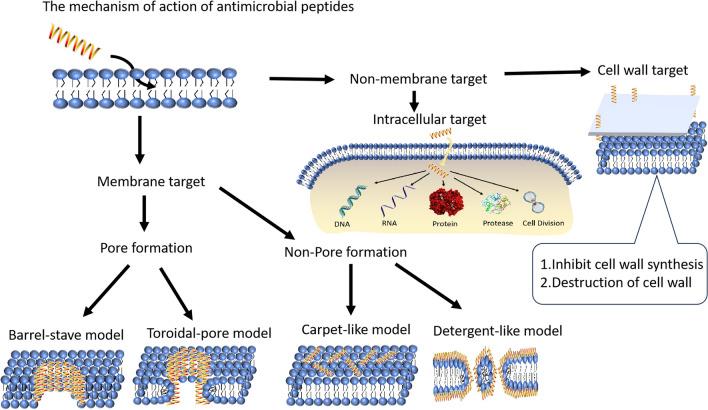
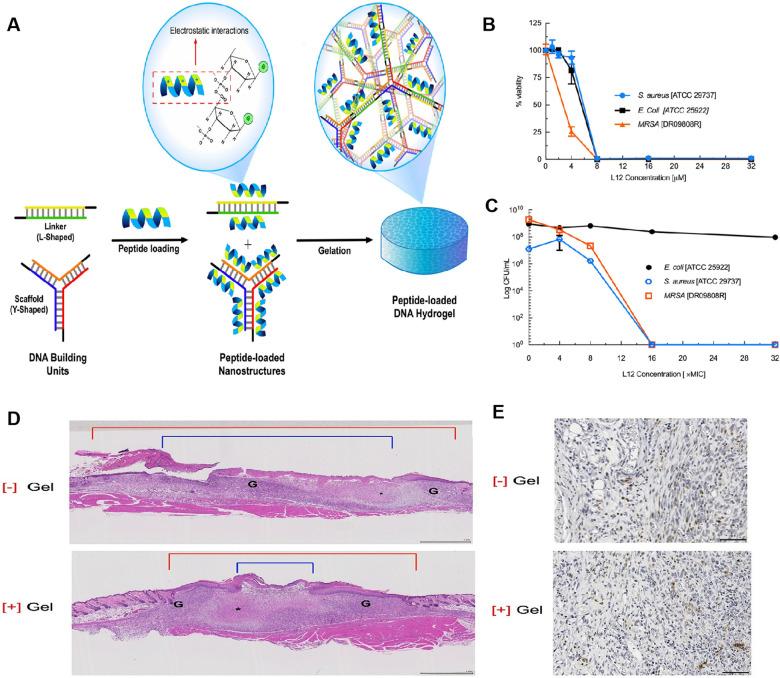
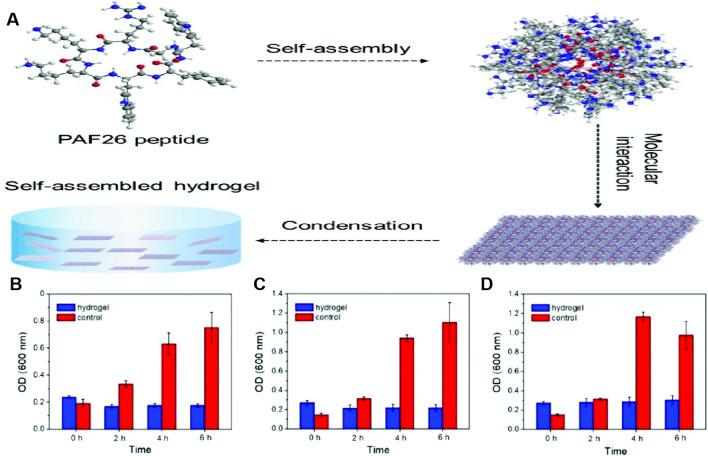
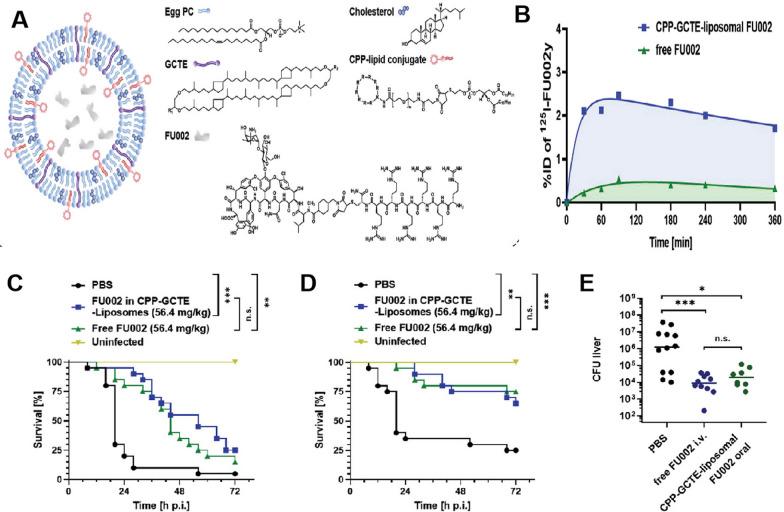
Antibiotic resistance is currently one of the most significant threats to global public health and safety. And studies have found that over the next 25 years, 39 million people will die directly and 169 million indirectly due to antibiotic-resistant diseases. Consequently, the development of new types of antimicrobial drugs is urgently needed. Antimicrobial peptides (AMPs) constitute an essential component of the innate immune response in all organisms. They exhibit a distinctive mechanism of action that endows them with a broad spectrum of biological activities, including antimicrobial, antibiofilm, antiviral, and anti-inflammatory effects. However, AMPs also present certain limitations, such as cytotoxicity, susceptibility to protein hydrolysis, and poor pharmacokinetic properties, which have impeded their clinical application. The development of delivery systems can address these challenges by modifying AMP delivery and enabling precise, controlled release at the site of infection or disease. This review offers a comprehensive analysis of the mechanisms of action and biological advantages of AMPs. and systematically evaluate how emerging drug delivery systems, such as nanoparticles and hydrogels, enhance the stability and bioavailability of AMPs, discussing both their strengths and limitations. Moreover, unlike previous reviews, this review highlight the most recent clinically approved AMP-based drugs and those currently in development, emphasizing the key challenges in translating these drugs into clinical practice. With these perspectives, it is hoped that this review will provide some insights into overcoming translational barriers and advancing AMPs drugs into clinical practice.
抗生素耐药性是目前对全球公共卫生与安全的最重大威胁之一。研究发现,在未来25年里,将有3900万人直接死于抗生素耐药性疾病,1.69亿人间接死亡。因此,迫切需要研发新型抗菌药物。抗菌肽(AMPs)是所有生物体固有免疫反应的重要组成部分。它们具有独特的作用机制,赋予其广泛的生物活性,包括抗菌、抗生物膜、抗病毒和抗炎作用。然而,抗菌肽也存在某些局限性,如细胞毒性、易被蛋白水解以及药代动力学性质不佳等,这些都阻碍了它们的临床应用。递送系统的发展可以通过改变抗菌肽的递送方式并实现其在感染或疾病部位的精确、可控释放来应对这些挑战。本综述对抗菌肽的作用机制和生物学优势进行了全面分析,并系统评估了纳米颗粒和水凝胶等新兴药物递送系统如何提高抗菌肽的稳定性和生物利用度,同时讨论了它们的优缺点。此外,与以往的综述不同,本综述重点介绍了最近临床批准的基于抗菌肽的药物以及目前正在研发的药物,强调了将这些药物转化为临床实践中的关键挑战。基于这些观点,希望本综述能为克服转化障碍并将抗菌肽药物推进临床实践提供一些见解。

 Zotero 插件