
孕前接触全氟辛烷磺酸(PFOS)和全氟丁烷磺酸(PFBS)通过胰岛素/胰岛素样生长因子信号通路损害生殖功能,且对第二代无影响。
Preconception exposure to perfluorooctanesulfonic acid (PFOS) and perfluorobutanesulfonic acid (PFBS) impaired reproduction via insulin/insulin-like growth factor signaling pathway without effects on the second generation in .
作者信息
Li Sida, Yue Yiren, Qian Zhuojia, Teng Zixuan, Clark John M, Timme-Laragy Alicia R, Park Yeonhwa
机构信息
Department of Food Science, University of Massachusetts, Amherst, MA 01003, United States.
Department of Veterinary and Animal Sciences, University of Massachusetts, Amherst, MA 01003, United States.
出版信息
Toxicol Rep. 2025 Feb 19;14:101966. doi: 10.1016/j.toxrep.2025.101966. eCollection 2025 Jun.
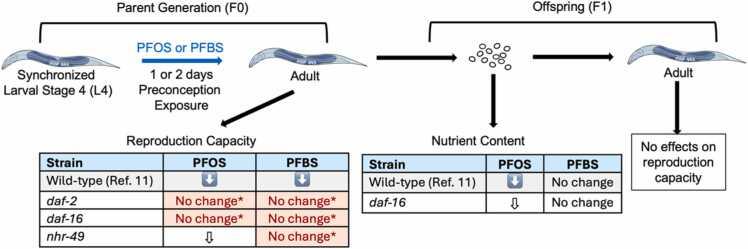
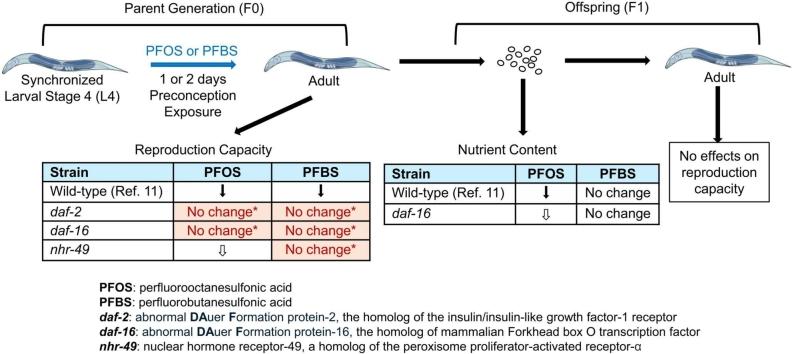
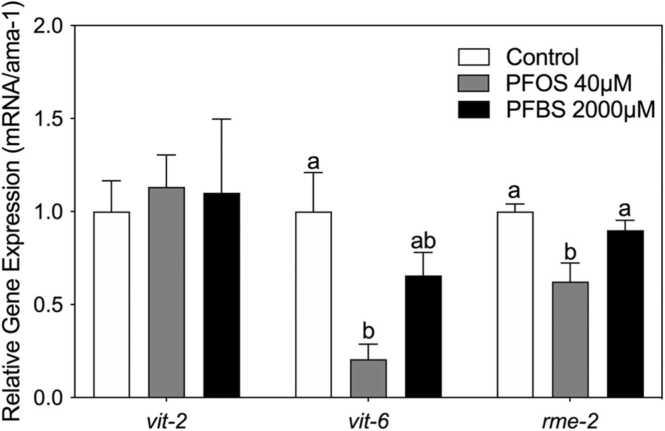
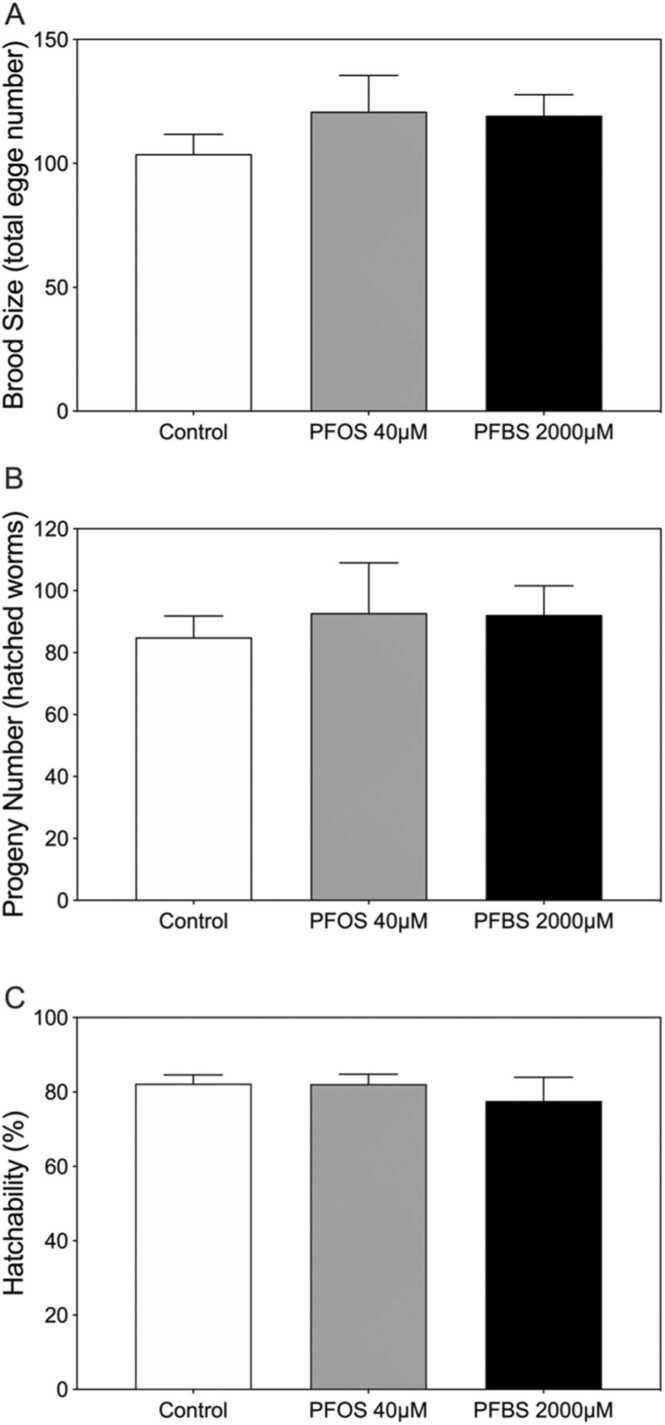
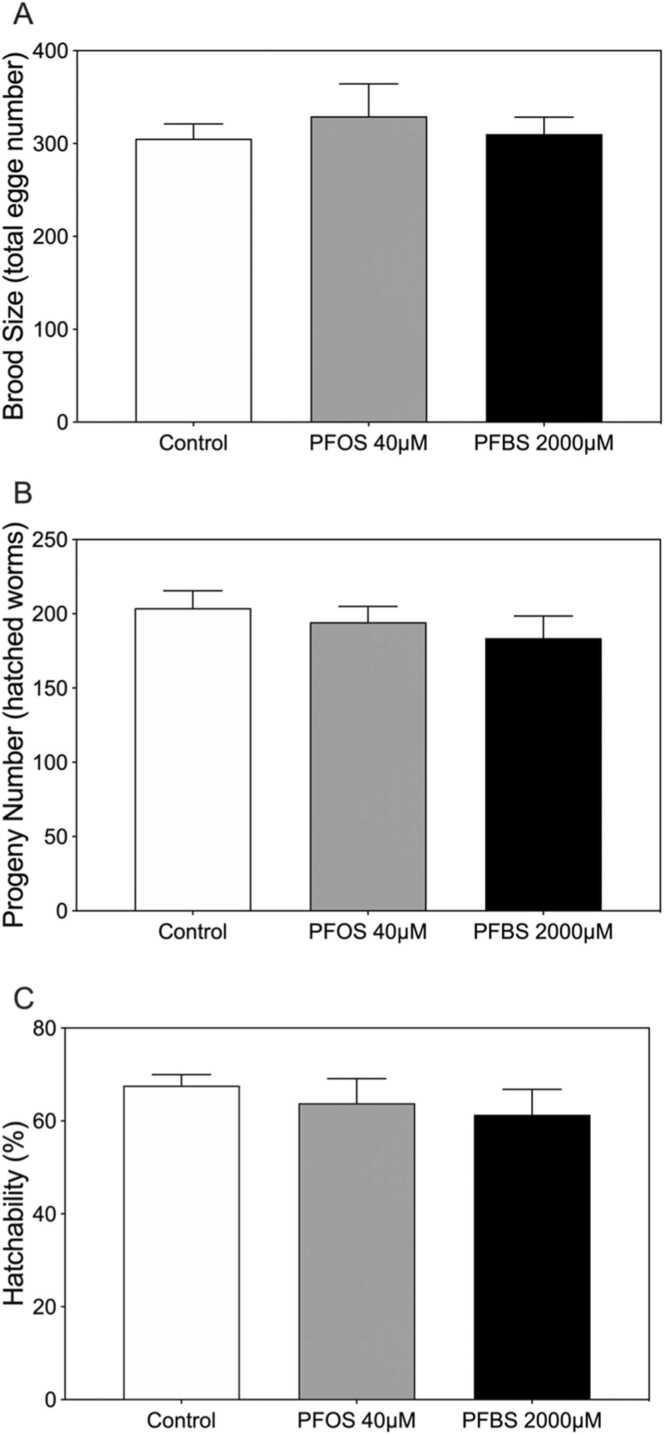
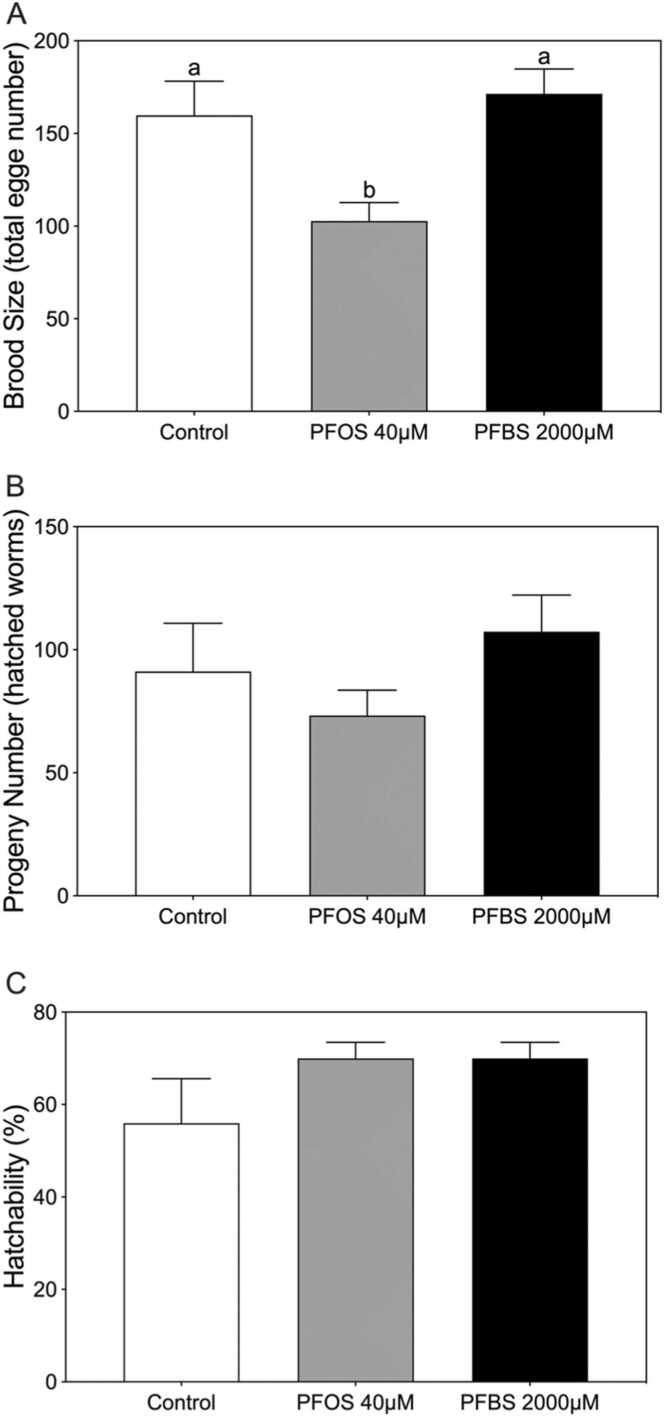
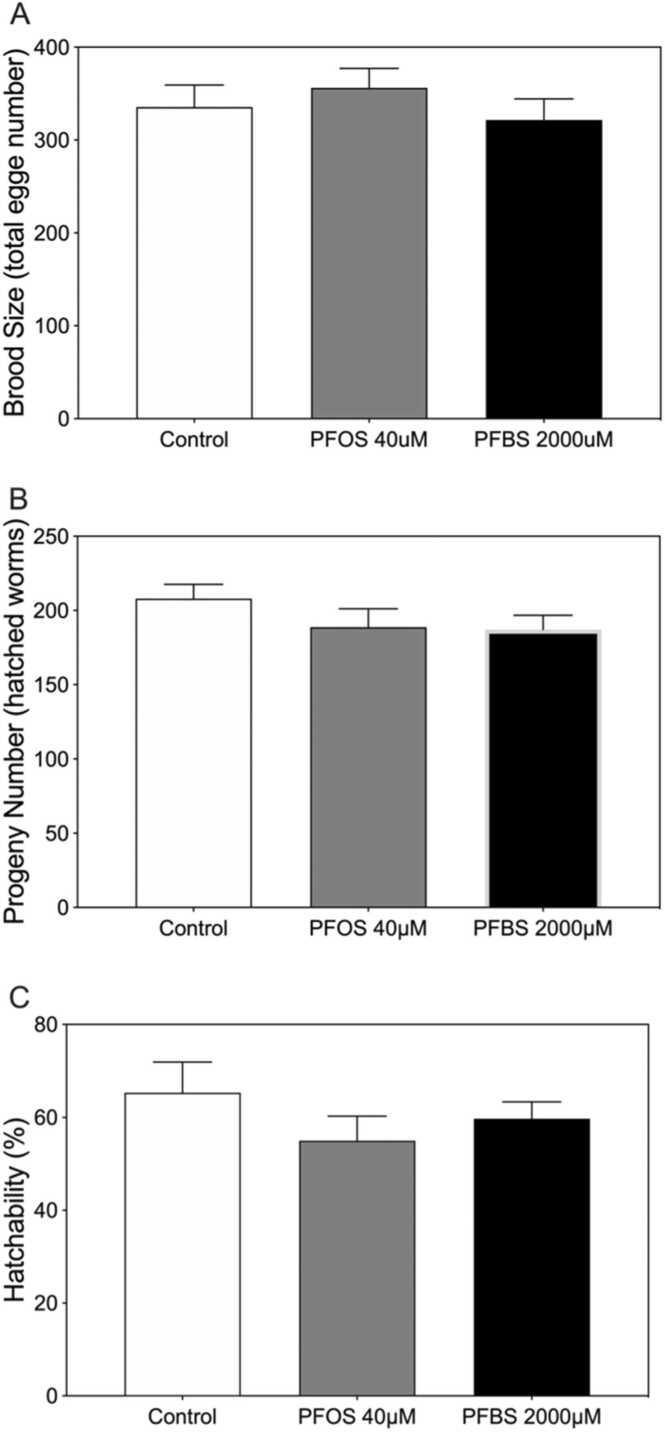
In previous studies, preconception exposure to perfluorooctanesulfonic acid (PFOS) and perfluorobutanesulfonic acid (PFBS) reduced the reproductive capacity and altered the development of the offspring of . However, the specific pathways involved in these observations were not determined. Thus, we investigated how preconception exposure to PFOS (40 μM) and PFBS (2000 μM) affected embryonic nutrient loading and offspring development. Preconception exposure to 40 μM PFOS significantly reduced nutrient loading to embryos via (vitellogenin) and (low-density lipoprotein particle receptor). The insulin/insulin-like growth factor signaling pathway (IIS), (homolog of human insulin receptor precursor) and (homolog of human forkhead box O) played a role in altering the reproductive capacity caused by preconception exposure to PFOS. Preconception exposure to PFBS did not affect nutrient loading but reduced reproductive health via IIS as well as (homolog of human hepatocyte nuclear factor 4α). In addition, preconception exposure to PFOS or PFBS resulted in no multigenerational effects on the reproductive health of F1 offspring worms. Preconception exposure to PFOS disrupted parental nutrient production and loading, reproduction, and offspring development, while PFBS impaired lipid metabolism and offspring development at higher doses than PFOS.
在先前的研究中,孕前接触全氟辛烷磺酸(PFOS)和全氟丁烷磺酸(PFBS)会降低生殖能力并改变后代的发育。然而,这些观察结果所涉及的具体途径尚未确定。因此,我们研究了孕前接触PFOS(40μM)和PFBS(2000μM)如何影响胚胎营养物质的摄取和后代发育。孕前接触40μM PFOS会通过(卵黄蛋白原)和(低密度脂蛋白颗粒受体)显著降低胚胎的营养物质摄取。胰岛素/胰岛素样生长因子信号通路(IIS)、(人类胰岛素受体前体的同源物)和(人类叉头框O的同源物)在改变孕前接触PFOS所导致的生殖能力方面发挥了作用。孕前接触PFBS不会影响营养物质摄取,但会通过IIS以及(人类肝细胞核因子4α的同源物)降低生殖健康。此外,孕前接触PFOS或PFBS对F1代后代蠕虫的生殖健康没有多代影响。孕前接触PFOS会破坏亲代营养物质的产生和摄取、繁殖以及后代发育,而PFBS在比PFOS更高的剂量下会损害脂质代谢和后代发育。

 Zotero 插件