
犬外耳炎分离株的基因组和表型特征显示,其高危序列类型与人类医院感染中发现的相同。
Genomic and phenotypic characterisation of isolates from canine otitis externa reveals high-risk sequence types identical to those found in human nosocomial infections.
作者信息
Secker Bailey, Shaw Stephen, Hobley Laura, Atterbury Robert J
机构信息
School of Biosciences, University of Nottingham, Nottingham, United Kingdom.
School of Veterinary Medicine and Science, University of Nottingham, Nottingham, United Kingdom.
出版信息
Front Microbiol. 2025 Feb 24;16:1526843. doi: 10.3389/fmicb.2025.1526843. eCollection 2025.
INTRODUCTION
Canine otitis externa (OE) is a frequently-diagnosed condition in veterinary practices worldwide. is commonly associated with chronic and recalcitrant canine OE, but studies with detailed genomic and phenotypic characterisation of clinical isolates are lacking.
METHODS
canine OE isolates ( = 253) were collected from different geographical locations in Europe and characterised with respect to antimicrobial resistance and biofilm formation. A subset ( = 35) were genome sequenced then characterised with respect to diversity, and complement of virulence, antimicrobial resistance, and biofilm-associated genes.
RESULTS
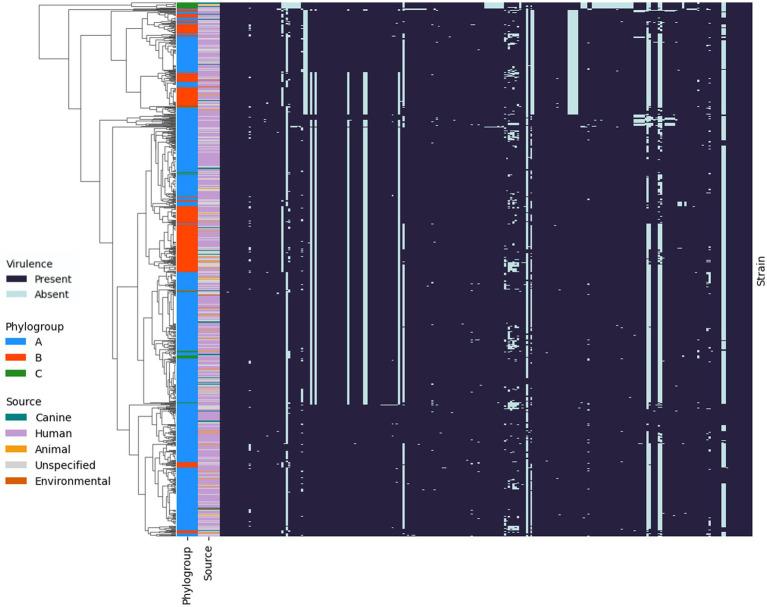
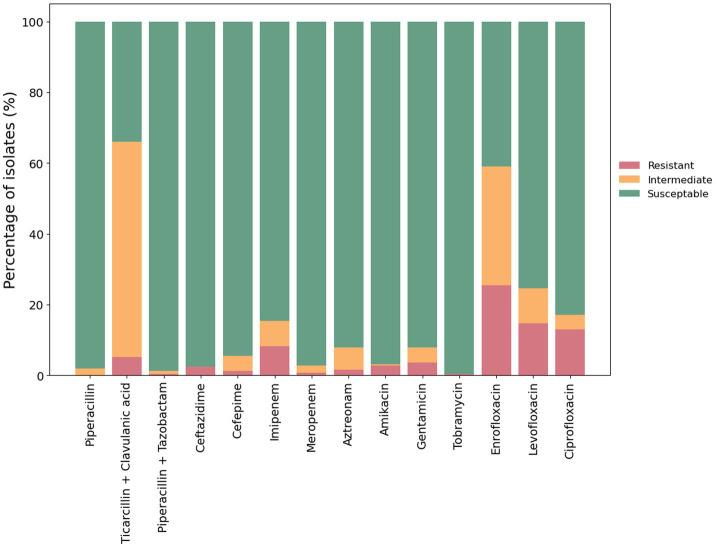
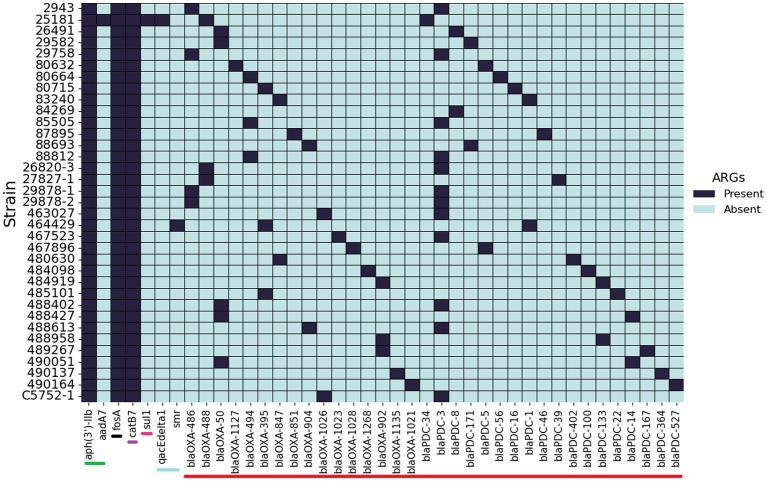
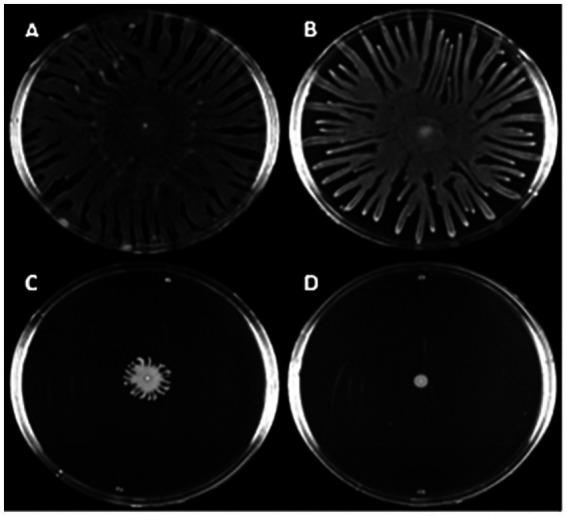
Genome-sequenced strains were distributed among phylogroups, showing no obvious clonality. However, two isolates belonged to ST111 and ST244 respectively,-MLST sequence types associated with AMR nosocomial infections in humans. Resistance to fluoroquinolones was detected in 25% of isolates, and multidrug resistance detected in 1.6%, though this did not always correlate with the presence of antimicrobial resistance genes. Additionally, 82% of isolates were characterised as forming strong biofilms.
DISCUSSION
For the first time, this study has characterised a large multinational collection of isolates from canine otitis with a combination of whole genome sequencing, phenotypic screening and bioinformatic analysis. These strains did not cluster together based on genomic diversity or virulence gene complement, supporting their likely environmental origin. However, the identification of ST111 and ST244, important 'high-risk' sequence types, could suggest potential spread between humans and dogs. Furthermore, we found that most strains were formed strong biofilms, and exhibited a significant level of resistance towards critically important antimicrobials. These findings could assist in the selection of appropriate treatments for canine OE as well as possibly identifying one health risks of these infections for cohabiting pets and humans.
引言
犬外耳炎(OE)是全球兽医临床上常见的病症。它通常与慢性和顽固性犬外耳炎相关,但缺乏对临床分离株进行详细基因组和表型特征分析的研究。
方法
从欧洲不同地理位置收集了253株犬外耳炎分离株,并对其抗菌药物耐药性和生物膜形成进行了特征分析。对其中35株进行了全基因组测序,然后对其多样性、毒力、抗菌药物耐药性和生物膜相关基因的互补性进行了特征分析。
结果
全基因组测序的菌株分布在不同的系统发育群中,没有明显的克隆性。然而,有两株分别属于ST111和ST244,这两种序列类型与人类医院获得性抗菌药物耐药感染有关。25%的分离株检测到对氟喹诺酮类药物耐药,1.6%检测到多重耐药,尽管这并不总是与抗菌药物耐药基因的存在相关。此外,82%的分离株被鉴定为形成强生物膜。
讨论
本研究首次通过全基因组测序、表型筛选和生物信息学分析相结合的方法,对来自犬外耳炎的大量跨国分离株进行了特征分析。这些菌株没有根据基因组多样性或毒力基因互补性聚类在一起,支持它们可能来自环境。然而,鉴定出重要的“高风险”序列类型ST111和ST244,可能表明人与狗之间存在潜在传播。此外,我们发现大多数菌株形成强生物膜,并对重要抗菌药物表现出显著水平的耐药性。这些发现有助于为犬外耳炎选择合适的治疗方法,并可能识别这些感染对同居宠物和人类的“同一个健康”风险。



 Zotero 插件