
针对非小细胞肺癌的免疫检查点抑制剂:超越PD-1/PD-L1单克隆抗体
Targeting Immune Checkpoint Inhibitors for Non-Small-Cell Lung Cancer: Beyond PD-1/PD-L1 Monoclonal Antibodies.
作者信息
Roussot Nicolas, Kaderbhai Courèche, Ghiringhelli François
机构信息
Department of Medical Oncology, Centre Georges-François Leclerc, 21000 Dijon, France.
Cancer Biology Transfer Platform, Centre Georges-François Leclerc, 21000 Dijon, France.
出版信息
Cancers (Basel). 2025 Mar 6;17(5):906. doi: 10.3390/cancers17050906.
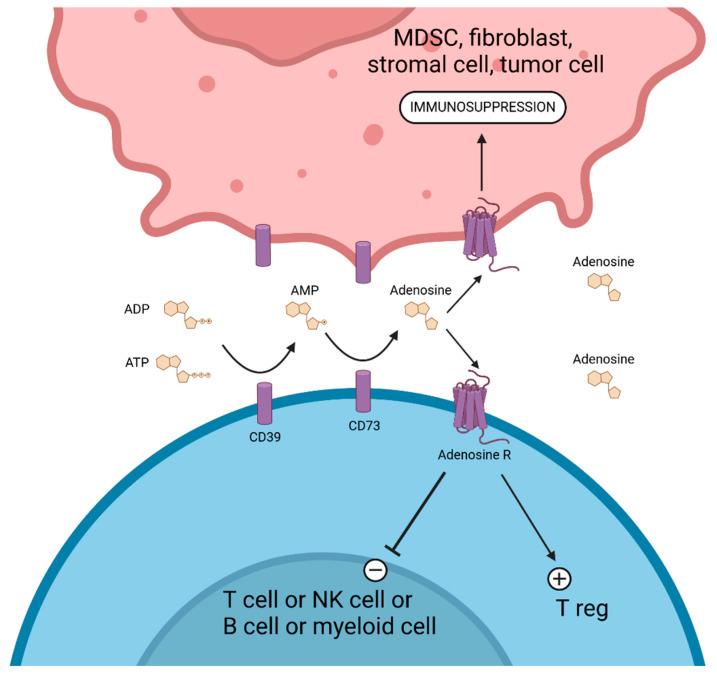
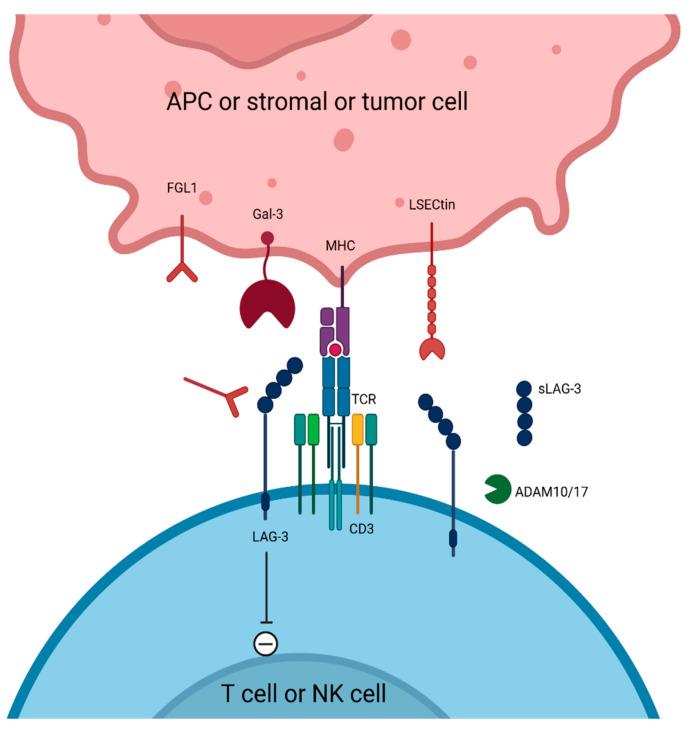
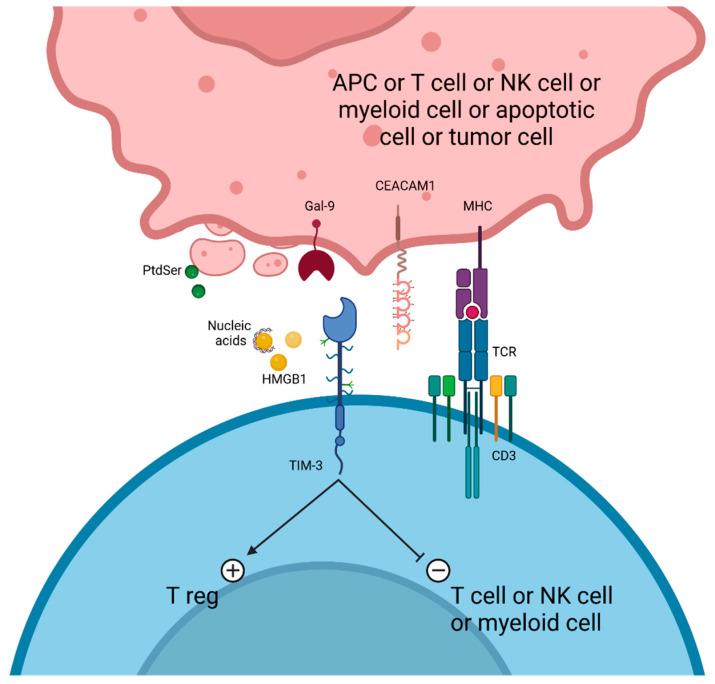
Non-small-cell lung cancer (NSCLC) remains a leading cause of cancer-related mortality worldwide. Immunotherapy targeting the PD-1/PD-L1 axis has revolutionized treatment, providing durable responses in a subset of patients. However, with fewer than 50% of patients achieving significant benefits, there is a critical need to expand therapeutic strategies. This review explores emerging targets in immune checkpoint inhibition beyond PD-1/PD-L1, including CTLA-4, TIGIT, LAG-3, TIM-3, NKG2A, and CD39/CD73. We highlight the biological basis of CD8 T cell exhaustion in shaping the antitumor immune response. Novel therapeutic approaches targeting additional inhibitory receptors (IR) are discussed, with a focus on their distinct mechanisms of action and combinatory potential with existing therapies. Despite significant advancements, challenges remain in overcoming resistance mechanisms and optimizing patient selection. This review underscores the importance of dual checkpoint blockade and innovative bispecific antibody engineering to maximize therapeutic outcomes for NSCLC patients.
非小细胞肺癌(NSCLC)仍然是全球癌症相关死亡的主要原因。针对PD-1/PD-L1轴的免疫疗法彻底改变了治疗方式,在一部分患者中产生了持久的反应。然而,由于只有不到50%的患者获得显著益处,迫切需要扩展治疗策略。本综述探讨了除PD-1/PD-L1之外免疫检查点抑制中的新兴靶点,包括CTLA-4、TIGIT、LAG-3、TIM-3、NKG2A以及CD39/CD73。我们强调了CD8 T细胞耗竭在塑造抗肿瘤免疫反应中的生物学基础。讨论了针对其他抑制性受体(IR)的新型治疗方法,重点关注其独特的作用机制以及与现有疗法联合应用的潜力。尽管取得了重大进展,但在克服耐药机制和优化患者选择方面仍存在挑战。本综述强调了双重检查点阻断和创新双特异性抗体工程对于最大化NSCLC患者治疗效果的重要性。



 Zotero 插件