
通过电子显微镜推进纳米医学:对纳米颗粒与细胞相互作用及生物医学应用的见解。
Advancing Nanomedicine Through Electron Microscopy: Insights Into Nanoparticle Cellular Interactions and Biomedical Applications.
作者信息
Akhtar Sultan, Zuhair Fatimah
机构信息
Department of Biophysics Research, Institute for Research and Medical Consultations (IRMC), Imam Abdulrahman Bin Faisal University, Dammam, 31441, Saudi Arabia.
Department of Infection Control, Alzahra General Hospital, Qatif, 31911, Saudi Arabia.
出版信息
Int J Nanomedicine. 2025 Mar 8;20:2847-2878. doi: 10.2147/IJN.S500978. eCollection 2025.
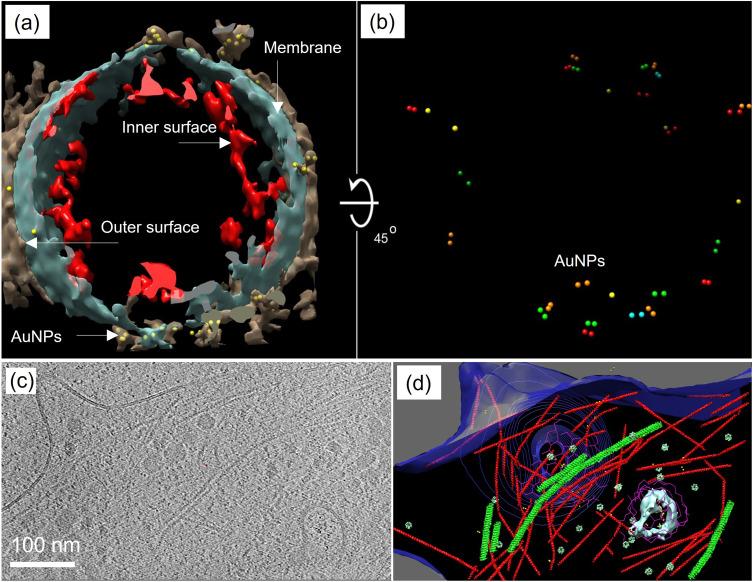
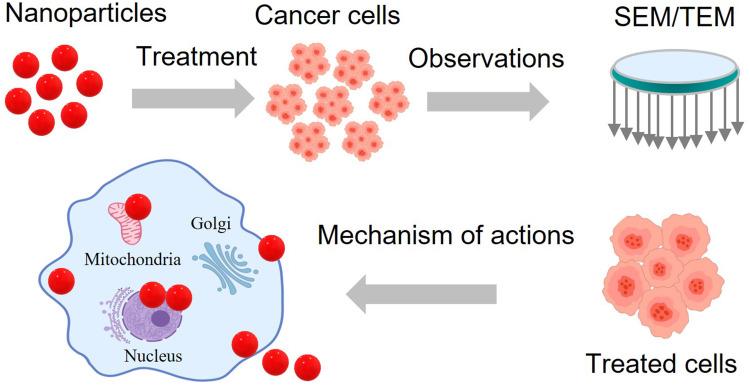
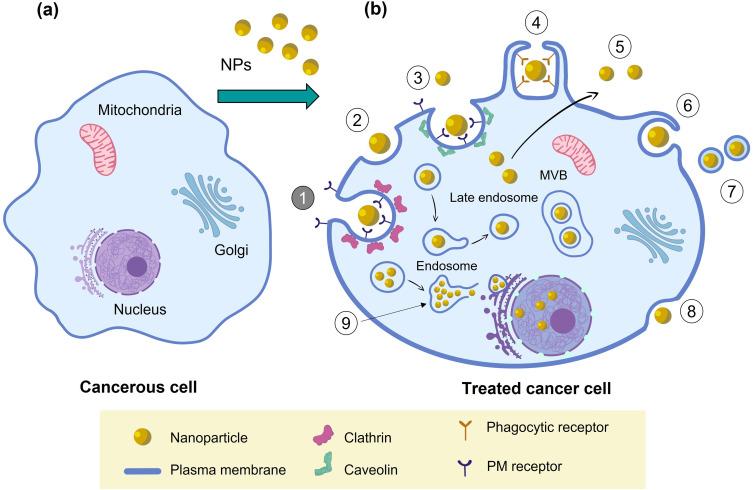
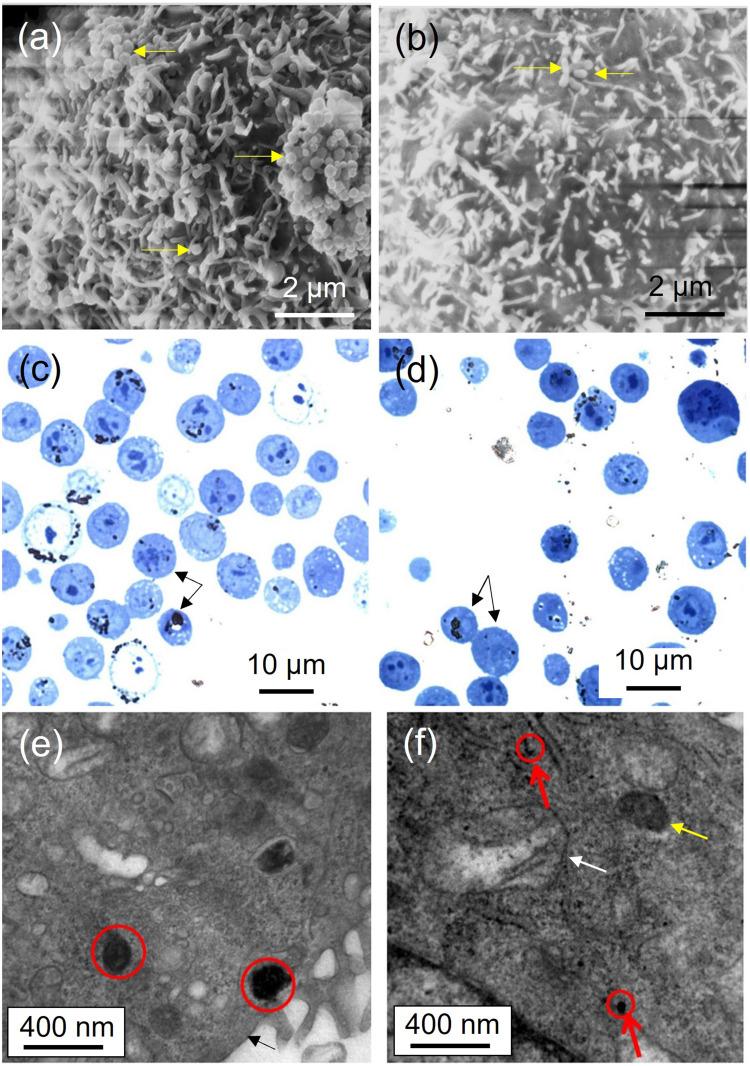
Nanomedicine has revolutionized cancer treatment by the development of nanoparticles (NPs) that offer targeted therapeutic delivery and reduced side effects. NPs research in nanomedicine significantly focuses on understanding their cellular interactions and intracellular mechanisms. A precise understanding of nanoparticle interactions at the subcellular level is crucial for their effective application in cancer therapy. Electron microscopy has proven essential, offering high-resolution insights into nanoparticle behavior within biological systems. This article reviews the role of electron microscopy in elucidating the cellular uptake and intracellular interactions of NPs. Transmission electron microscopy (TEM) provides imaging capabilities, such as cryo three-dimensional tomography, which offer in-depth insights into nanoparticle localization, endocytosis pathways, and subcellular interactions, while high resolution-TEM is primarily used for studying the atomic structure of isolated NPs rather than nanoparticles within cells or tissues. On the other hand, scanning electron microscopy (SEM) is ideal for examining larger surface areas and provides a broader perspective on the morphology and topography of the samples. The review highlights the advantages of electron microscopy in visualizing nanoparticle interactions with cellular structures and tracking their mechanisms of action. It also addresses the challenges associated with electron microscopy characterization, such as tedious sample preparation, static imaging limitations, and a restricted field of view. By examining various nanoparticle uptake pathways, and cellular destination of NPs with examples, the article emphasizes the importance of these pathways to optimize nanoparticle design and enhance therapeutic efficacy. This review underscores the need for continued advancement in electron microscopy techniques to improve the effectiveness of nanomedicine and address existing challenges. In summary, electron microscopy is a key tool for advancing our understanding of nanoparticle behavior in biological contexts, aiding in the design and optimization of nanomedicines by providing insights into nanoparticle cellular dynamics, uptake mechanisms, and therapeutic applications.
纳米医学通过开发能够实现靶向治疗递送并减少副作用的纳米颗粒,彻底改变了癌症治疗方式。纳米医学中的纳米颗粒研究主要聚焦于了解它们与细胞的相互作用以及细胞内机制。在亚细胞水平上精确理解纳米颗粒的相互作用对于其在癌症治疗中的有效应用至关重要。电子显微镜已被证明是必不可少的,它能提供关于生物系统中纳米颗粒行为的高分辨率见解。本文综述了电子显微镜在阐明纳米颗粒的细胞摄取和细胞内相互作用方面的作用。透射电子显微镜(TEM)提供成像能力,如冷冻三维断层扫描,可深入了解纳米颗粒的定位、内吞途径和亚细胞相互作用,而高分辨率TEM主要用于研究分离的纳米颗粒的原子结构,而非细胞或组织内的纳米颗粒。另一方面,扫描电子显微镜(SEM)非常适合检查更大的表面积,并能提供关于样品形态和表面形貌的更广阔视角。该综述强调了电子显微镜在可视化纳米颗粒与细胞结构的相互作用以及追踪其作用机制方面的优势。它还讨论了与电子显微镜表征相关的挑战,如繁琐的样品制备、静态成像限制和有限的视野。通过举例研究各种纳米颗粒摄取途径以及纳米颗粒在细胞内的归宿,本文强调了这些途径对于优化纳米颗粒设计和提高治疗效果的重要性。这篇综述强调了持续推进电子显微镜技术以提高纳米医学有效性并应对现有挑战的必要性。总之,电子显微镜是增进我们对纳米颗粒在生物环境中行为理解的关键工具,通过提供对纳米颗粒细胞动态、摄取机制和治疗应用的见解,有助于纳米药物设计和优化。








 Zotero 插件