
肺腺癌与肺鳞状细胞癌的差异:驱动基因、治疗靶点及临床疗效
Differences between lung adenocarcinoma and lung squamous cell carcinoma: Driver genes, therapeutic targets, and clinical efficacy.
作者信息
Shen Yue, Chen Jie-Qi, Li Xiang-Ping
机构信息
Department of Pharmacy, Xiangya Hospital, Central South University, Changsha, Hunan 410008, China.
National Clinical Research Center for Geriatric Disorders, Xiangya Hospital, Central South University, Changsha, Hunan 410008, China.
出版信息
Genes Dis. 2024 Jul 11;12(3):101374. doi: 10.1016/j.gendis.2024.101374. eCollection 2025 May.
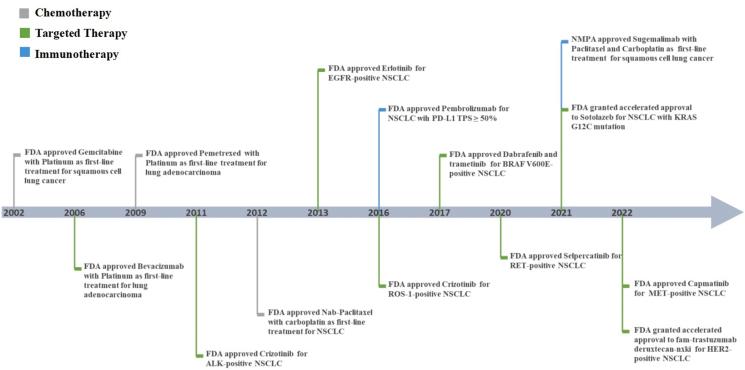
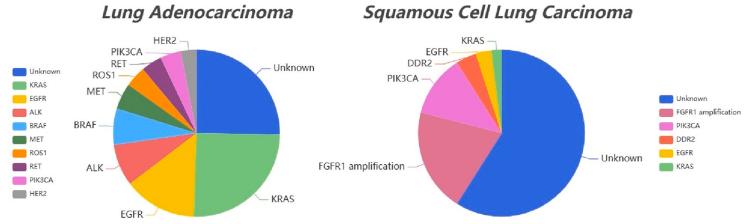
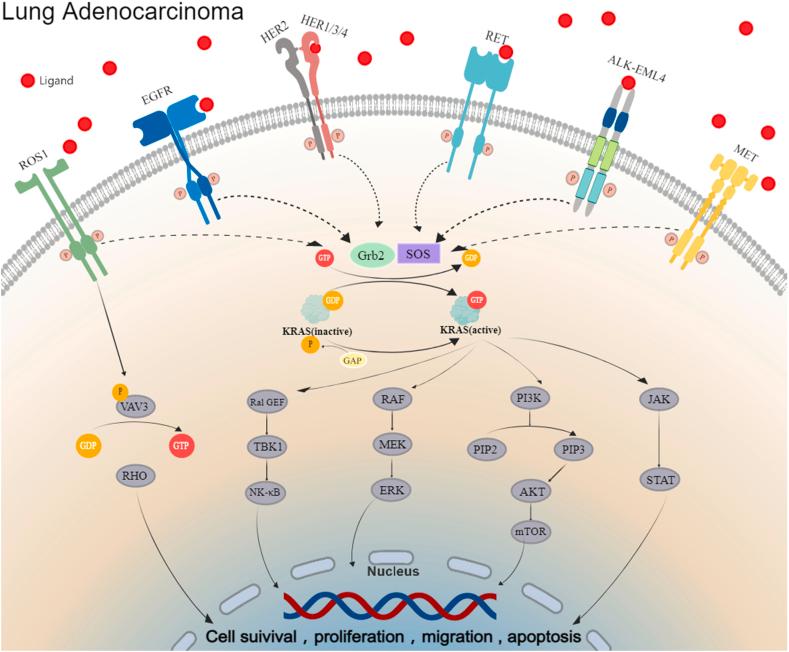
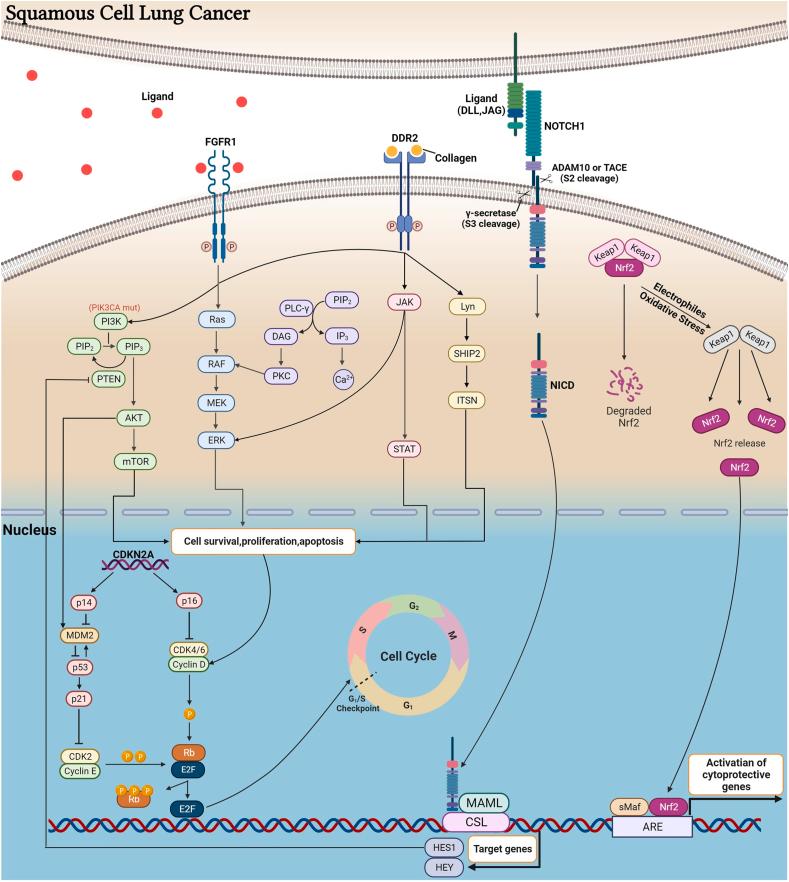
With the rapid advancements in second-generation gene sequencing technologies, a growing number of driver genes and associated therapeutic targets have been unveiled for lung adenocarcinoma (LUAD) and lung squamous cell carcinoma (LUSC). While they are clinically classified as non-small cell lung cancer (NSCLC), they display distinct genomic features and substantial variations in clinical efficacy, underscoring the need for particular attention. Hence, this review provides a comprehensive overview of the latest advancements in driver genes, epigenetic targets, chemotherapy, targeted therapy, and immunotherapy for LUAD and LUSC. Additionally, it delves into the distinctions in signaling pathways and pivotal facets of clinical management specific to these two categories of lung cancer. Moreover, we furnish pertinent details regarding clinical trials pertaining to driver genes and epigenetics, thus establishing a theoretical foundation for the realization of precision treatments for LUAD and LUSC.
随着第二代基因测序技术的迅速发展,越来越多的驱动基因和相关治疗靶点已被揭示用于肺腺癌(LUAD)和肺鳞状细胞癌(LUSC)。虽然它们在临床上被归类为非小细胞肺癌(NSCLC),但它们表现出不同的基因组特征和临床疗效的显著差异,这突出了需要特别关注。因此,本综述全面概述了LUAD和LUSC在驱动基因、表观遗传靶点、化疗、靶向治疗和免疫治疗方面的最新进展。此外,它深入探讨了这两类肺癌在信号通路和临床管理关键方面的差异。此外,我们提供了有关驱动基因和表观遗传学临床试验的相关细节,从而为实现LUAD和LUSC的精准治疗奠定了理论基础。
 Zotero 插件