
TRAIL在血液系统恶性肿瘤中的基础与应用研究进展
Basic and applied research progress of TRAIL in hematologic malignancies.
作者信息
Zhang Sidong, Guo Rongqun, Liu Yufeng, Wu Zhengyu, Song Yadong
机构信息
Department of Pediatric Hematology-Oncology, The First Affiliated Hospital of Zhengzhou University, Zhengzhou, China.
Department of Hematology, The First Affiliated Hospital of Zhengzhou University, Zhengzhou, China.
出版信息
Blood Sci. 2025 Mar 11;7(2):e00221. doi: 10.1097/BS9.0000000000000221. eCollection 2025 Jun.
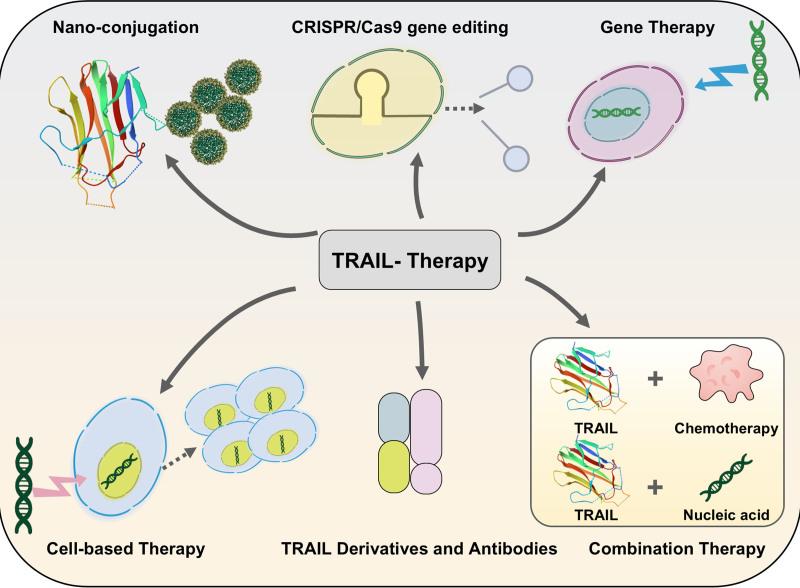
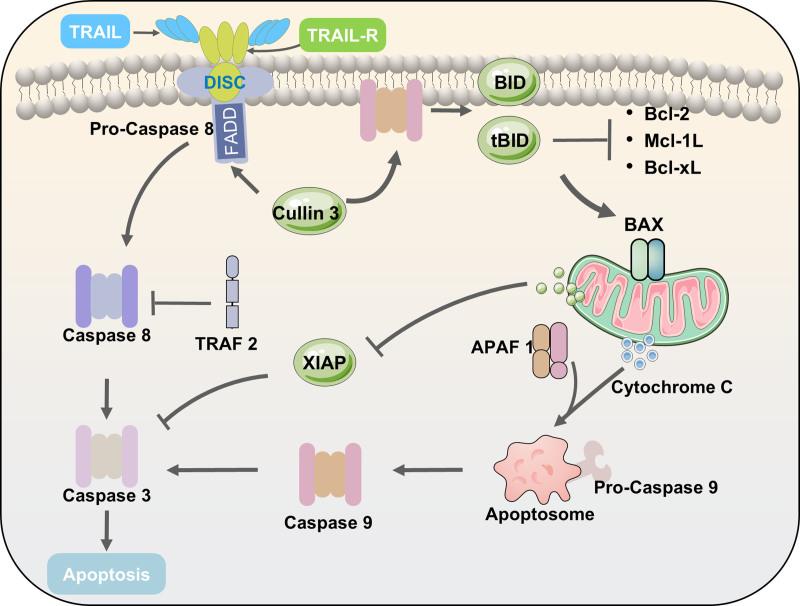
Hematological malignancies encompass a diverse range of blood-related cancers characterized by abnormal blood cell production. These cancers, classified by the World Health Organization based on lineage, cell origin, and progression, provide a more comprehensive framework for understanding cancer biology. This classification has significantly advanced cancer research, particularly in genetic analyses for diagnosis and treatment. Despite recent clinical improvements, challenges, such as relapse, resistance, and high mortality, remain unresolved. Tumor necrosis factor-related apoptosis-inducing ligand (TRAIL), a protein that induces apoptosis in cancer cells without affecting normal cells, has emerged as a promising therapeutic target. However, its clinical efficacy is limited by factors, such as tumor heterogeneity and resistance to TRAIL signaling. This review examines the mechanisms of TRAIL in hematological malignancies, factors contributing to resistance, and the current state of preclinical and clinical research, highlighting potential strategies to enhance TRAIL-based therapies in blood cancers.
血液系统恶性肿瘤包括一系列以血细胞生成异常为特征的与血液相关的癌症。这些癌症由世界卫生组织根据谱系、细胞起源和进展进行分类,为理解癌症生物学提供了更全面的框架。这种分类显著推动了癌症研究,尤其是在用于诊断和治疗的基因分析方面。尽管近期临床有改善,但诸如复发、耐药和高死亡率等挑战仍未得到解决。肿瘤坏死因子相关凋亡诱导配体(TRAIL)是一种能在不影响正常细胞的情况下诱导癌细胞凋亡的蛋白质,已成为一个有前景的治疗靶点。然而,其临床疗效受到肿瘤异质性和对TRAIL信号通路耐药等因素的限制。本综述探讨了TRAIL在血液系统恶性肿瘤中的作用机制、导致耐药的因素以及临床前和临床研究的现状,强调了增强血液癌症中基于TRAIL治疗的潜在策略。
 Zotero 插件