
复发性/难治性神经母细胞瘤的机制及分子特征
Mechanisms and molecular characterization of relapsed/refractory neuroblastomas.
作者信息
Chen Chong, Wei Zixuan
机构信息
Department of Clinical Laboratory, Tianjin Union Medical Center, The First Affiliated Hospital of Nankai University, Tianjin, China.
Department of Pediatric Oncology, Tianjin Medical University Cancer Institute and Hospital, National Clinical Research Center for Cancer, Tianjin, China.
出版信息
Front Oncol. 2025 Mar 6;15:1555419. doi: 10.3389/fonc.2025.1555419. eCollection 2025.
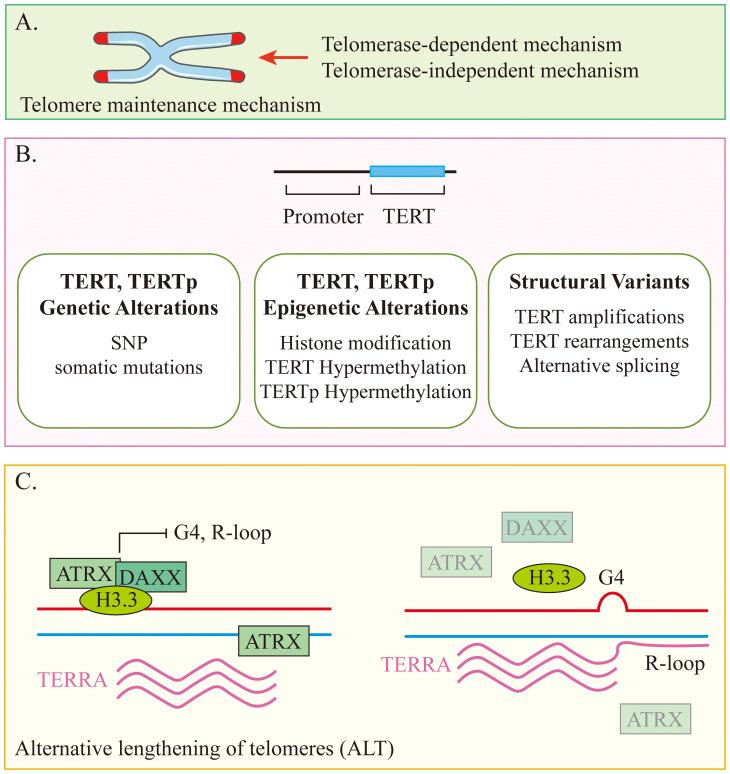
Relapsed/refractory neuroblastoma is a type of malignant solid tumor with a very poor prognosis in children. Its pathogenesis is complex, involving multiple molecular pathways and genetic alterations. Recent studies have shown that MYCN amplification, ALK mutation, TERT promoter mutation, p53 pathway inactivation, and chromosomal instability are the key mechanisms and molecular characteristics of relapsed/refractory neuroblastoma. Precision treatment strategies targeting these molecular mechanisms have shown certain prospects in preclinical studies and clinical practice. This review focuses on the relevant mechanisms and molecular characteristics of relapsed/refractory neuroblastoma, explores its relationship with treatment response and clinical prognosis, and briefly introduces the current treatment strategies to provide a theoretical basis for the development of novel and personalized therapeutic regimens to improve the prognosis of children.
复发/难治性神经母细胞瘤是一种儿童恶性实体瘤,预后极差。其发病机制复杂,涉及多个分子途径和基因改变。最近的研究表明,MYCN扩增、ALK突变、TERT启动子突变、p53途径失活和染色体不稳定是复发/难治性神经母细胞瘤的关键机制和分子特征。针对这些分子机制的精准治疗策略在临床前研究和临床实践中已显示出一定的前景。本综述聚焦于复发/难治性神经母细胞瘤的相关机制和分子特征,探讨其与治疗反应及临床预后的关系,并简要介绍当前的治疗策略,为开发新的个性化治疗方案以改善儿童预后提供理论依据。

 Zotero 插件