
靶向人类免疫缺陷病毒1型保守区域:亚洲疫苗创新的免疫信息学途径。
Targeting HIV-1 conserved regions: An immunoinformatic pathway to vaccine innovation for the Asia.
作者信息
Zubair Akmal, Al-Emam Ahmed, Ali Muhammad, Hussain Syeda Maryam, Elmagzoub Ranya Mohammed
机构信息
Department of Biotechnology, Quaid-i-Azam University Islamabad, Pakistan.
Department of Pathology, College of Medicine, King Khalid University, Asir , Saudi Arabia.
出版信息
PLoS One. 2025 Mar 21;20(3):e0317382. doi: 10.1371/journal.pone.0317382. eCollection 2025.
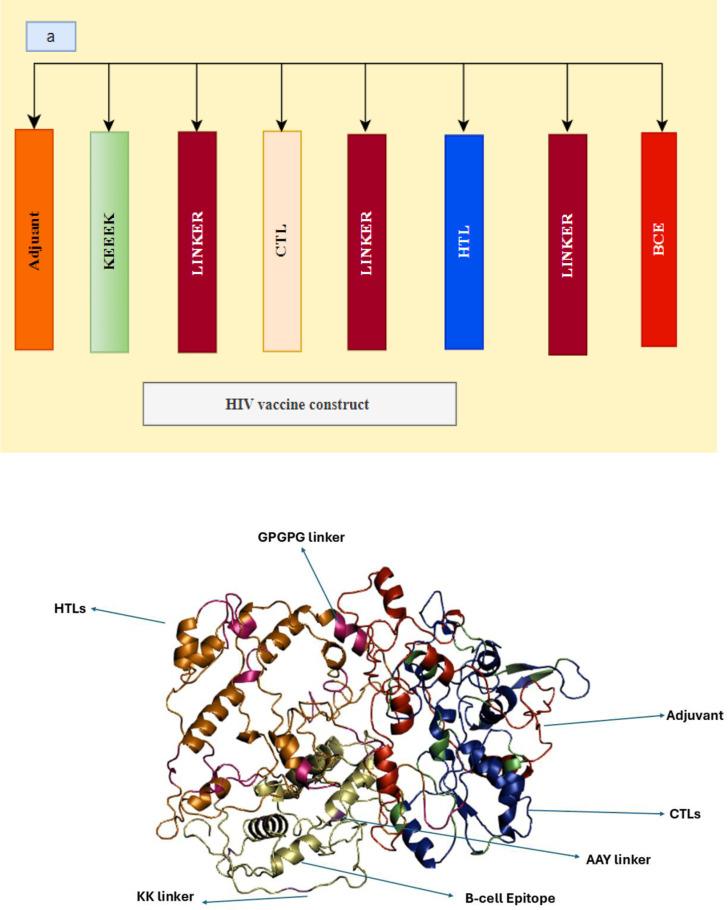
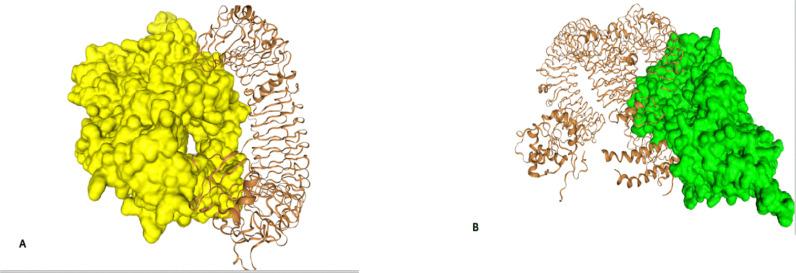
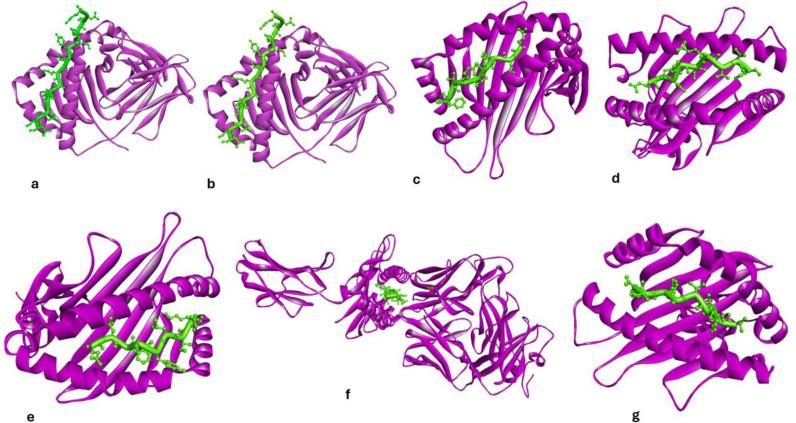
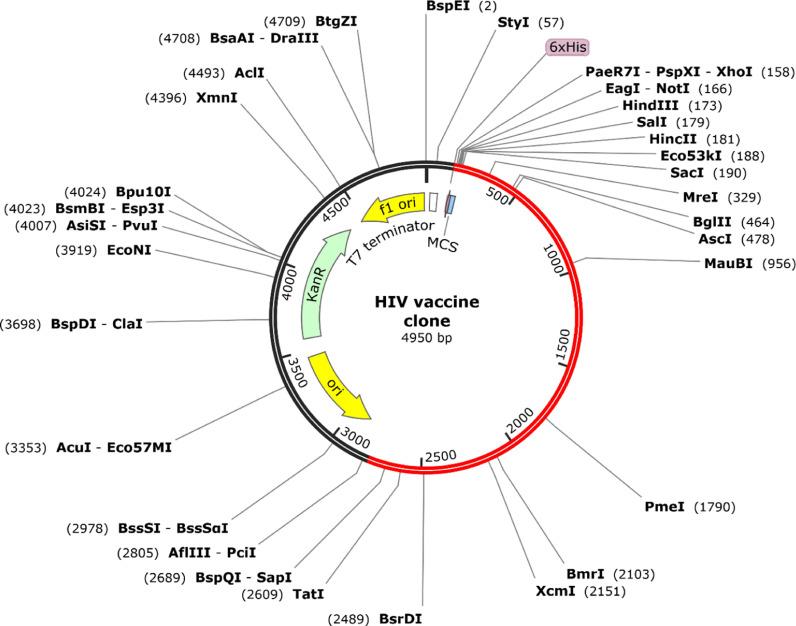
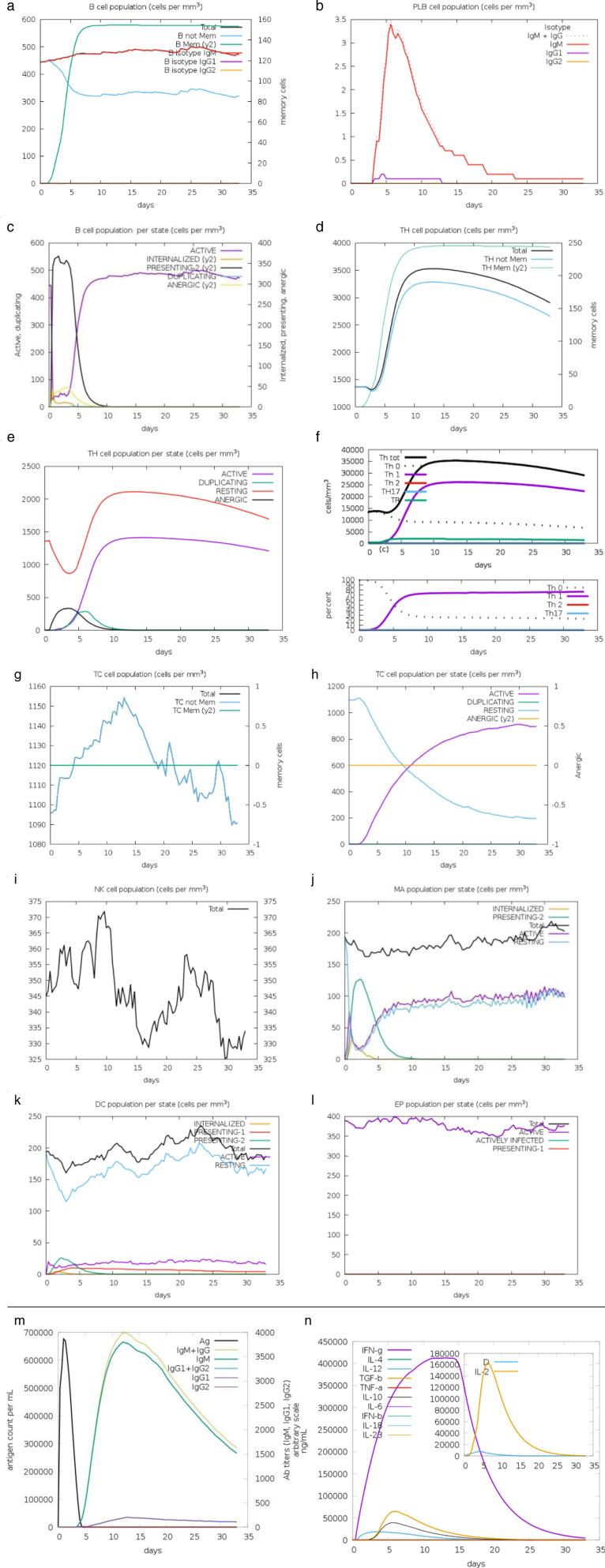
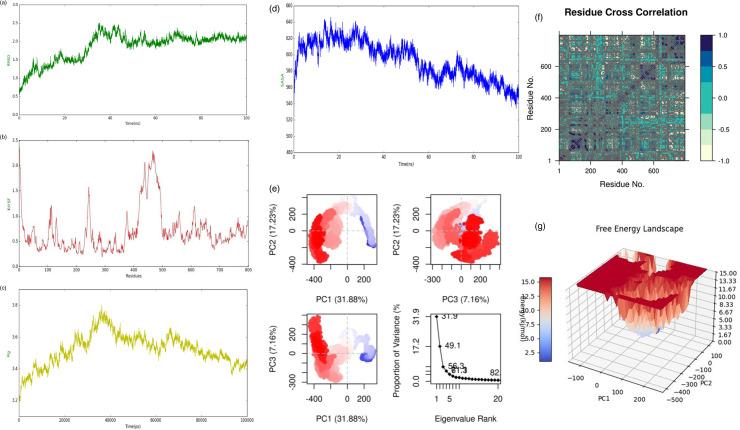
A combination of humoral and cell-mediated immune system stimulation is essential for developing an effective HIV vaccine. Traditional treatment options and the challenges posed by drug resistance necessitate the discovery of a viable vaccine candidate capable of eliciting a robust immunological response. This research aims to develop an HIV vaccine with a multi-epitope component using a unique immunoinformatics approach. A subunit vaccine comprising B-cell, helper T-cell, and cytotoxic T-cell epitopes, along with appropriate adjuvants and linkers, was employed to identify conserved regions in the Pol, Vpr, Gag, Tat, Env, Nef, and Vif proteins. The HIV subunit vaccine demonstrated the potential to activate both cell-mediated and humoral immune responses, indicating its immunogenicity. The application of homology modeling and refinement further enhanced the model's accuracy. Subsequently, the molecular docking procedure utilized the refined model structure to bind to the immunological receptor TLR-3 in lymphocyte cells. Following this, the potential interactions of the subunit vaccine with TLR-3 were investigated using molecular dynamics modeling. The vaccine's stability was improved through a meticulous disulfide engineering technique that involved inserting cysteine residues into highly flexible regions. Finally, in silico cloning was employed to validate the efficacy of translating and producing the vaccine in a microbiological setting. The vaccine shows promising results in terms of population coverage, reaching 82% of the global population, with extraordinary efficacy in Asia, covering up to 95% of the population. Our HIV vaccine candidate is highly stable and elicits a robust immune response against HIV-1.
体液免疫和细胞介导的免疫系统刺激相结合对于开发有效的HIV疫苗至关重要。传统的治疗选择以及耐药性带来的挑战使得必须发现一种能够引发强烈免疫反应的可行疫苗候选物。本研究旨在采用独特的免疫信息学方法开发一种具有多表位成分的HIV疫苗。一种包含B细胞、辅助性T细胞和细胞毒性T细胞表位以及适当佐剂和连接子的亚单位疫苗被用于识别Pol、Vpr、Gag、Tat、Env、Nef和Vif蛋白中的保守区域。HIV亚单位疫苗显示出激活细胞介导免疫反应和体液免疫反应的潜力,表明其具有免疫原性。同源建模和优化的应用进一步提高了模型的准确性。随后,分子对接程序利用优化后的模型结构与淋巴细胞中的免疫受体TLR-3结合。在此之后,使用分子动力学建模研究了亚单位疫苗与TLR-3的潜在相互作用。通过一种精细的二硫键工程技术提高了疫苗的稳定性,该技术涉及将半胱氨酸残基插入高度灵活的区域。最后,采用计算机克隆技术在微生物环境中验证翻译和生产该疫苗的功效。该疫苗在人群覆盖率方面显示出有希望的结果,覆盖全球82%的人口,在亚洲具有非凡的功效,覆盖高达95%的人口。我们的HIV疫苗候选物高度稳定,并能引发针对HIV-1的强烈免疫反应。






 Zotero 插件