
FilmArray®脑膜炎/脑炎检测板在资源匮乏地区疑似中枢神经系统感染儿童中的临床应用——乌干达西南部的一项前瞻性研究
Clinical utility of the FilmArray® meningitis/encephalitis panel in children with suspected central nervous system infection in a low-resource setting - a prospective study in Southwestern Uganda.
作者信息
Rasti Reza, Kumbakumba Elias, Nanjebe Deborah, Mlotshwa Phuthumani, Nassejje Milly, Mzee John, Businge Stephen, Akankwasa Gilbert, Nyehangane Dan, Gantelius Jesper, Boum Yap, Mårtensson Andreas, Mwanga-Amumpaire Juliet, Alfvén Tobias, Gaudenzi Giulia
机构信息
Department of Global Public Health, Karolinska Institutet, Stockholm, Sweden.
Department of Paediatrics and Child Health, Faculty of Medicine, Mbarara University of Science and Technology, Mbarara, Uganda.
出版信息
BMC Infect Dis. 2025 Mar 22;25(1):396. doi: 10.1186/s12879-025-10732-w.
BACKGROUND
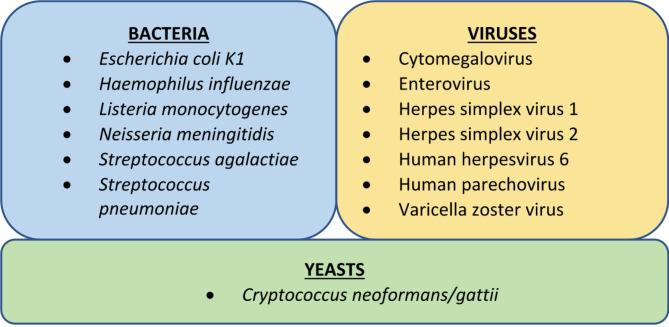
In low-resource settings, limited laboratory capacity adds to the burden of central nervous system (CNS) infections in children and spurs overuse of antibiotics. The commercially available BioFire® FilmArray® Meningitis/Encephalitis Panel (FA-ME) with its capability to simultaneously detect 14 pathogens in cerebrospinal fluid (CSF), could potentially narrow such a diagnostic gap.
METHODS
In Mbarara, Uganda, we compared clinical utility (clinical turnaround time [cTAT], microbial yield, and influence on patient outcome and antibiotic exposure) of FA-ME with bacterial culture, in children 0-12 years with suspected CNS infection.
RESULTS
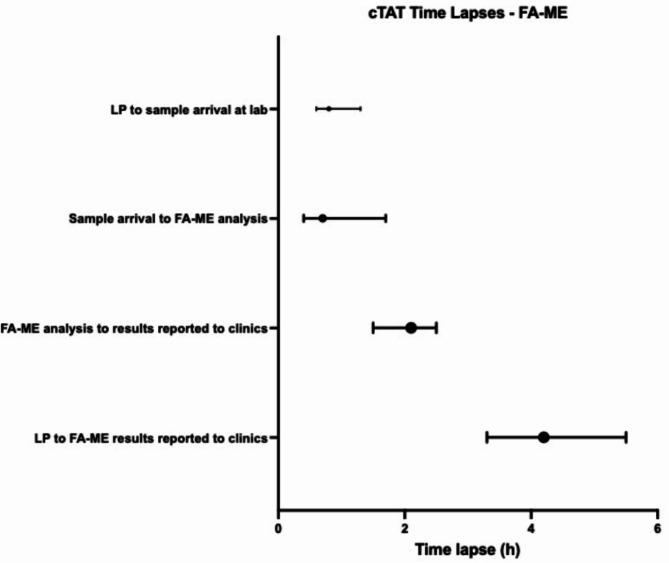
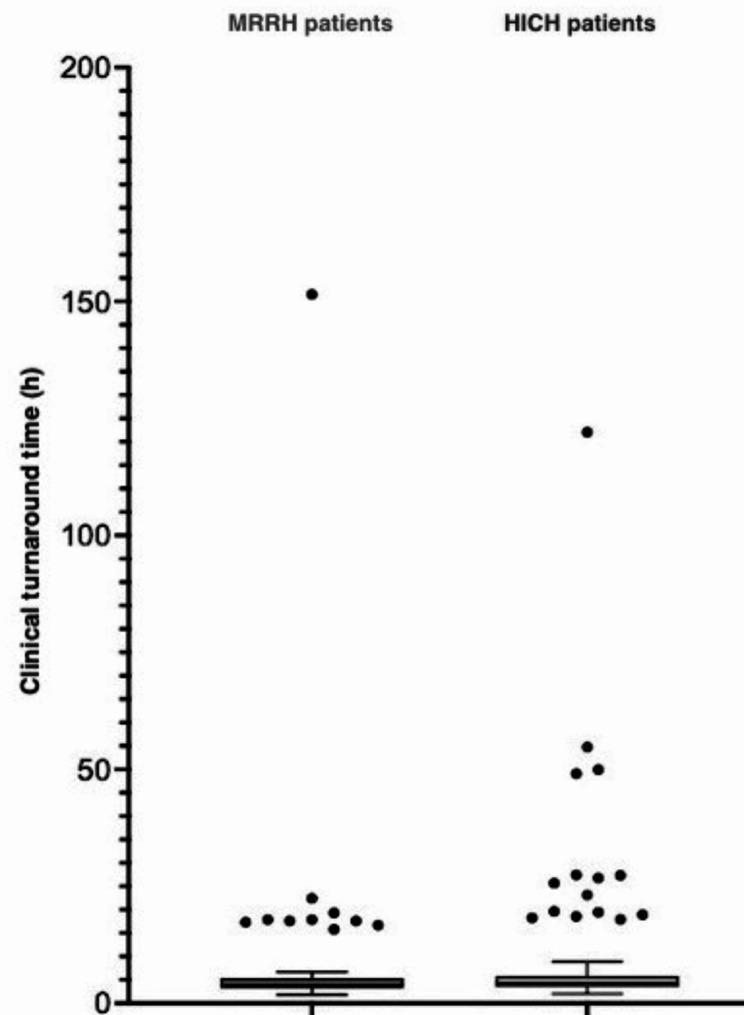
Of 212 enrolled children, CSF was sampled from 194. All samples underwent bacterial culture, of which 193 also underwent FA-ME analyses. FA-ME analyses prospectively influenced care for 169 of the 193 patients, and they constituted an 'Index group'. The remaining 43/212 patients constituted a 'Reference group'. Of all 194 CSF-sampled patients, 87% (168) had received antibiotics before lumbar puncture. Median cTAT for FA-ME was 4.2 h, vs. two days for culture. Bacterial yield was 12% (24/193) and 1.5% (3/194) for FA-ME and culture, respectively. FA-ME viral yield was 12% (23/193). Fatality rate was 14% in the Index group vs. 19% in the Reference group (P = 0.20). From clinician receival of FA-ME results, median antibiotic exposure was 6 days for bacteria-negative vs. 13 days for bacteria-positive patients (P = 0.03). Median hospitalization duration was 7 vs. 12 days for FA-ME negative and positive patients, respectively (P < 0.01).
CONCLUSIONS
In this setting, clinical FA-ME utility was found in a higher and faster microbial yield and shortened hospitalization and antibiotic exposure of patients without CSF pathology. More epidemiologically customized pathogen panels may increase FA-ME utility locally, although its use in similar settings would require major cost reductions.
TRIAL REGISTRATION
The trial was registered with clinicaltrials.gov (NCT03900091) in March 2019, and its protocol was published in November 2020.
背景
在资源匮乏地区,实验室能力有限加重了儿童中枢神经系统(CNS)感染的负担,并促使抗生素过度使用。市售的BioFire® FilmArray® 脑膜炎/脑炎检测板(FA-ME)能够同时检测脑脊液(CSF)中的14种病原体,可能会缩小这种诊断差距。
方法
在乌干达的姆巴拉拉,我们比较了FA-ME与细菌培养在0至12岁疑似CNS感染儿童中的临床效用(临床周转时间[cTAT]、微生物检出率以及对患者预后和抗生素暴露的影响)。
结果
在212名登记儿童中,对194名儿童进行了脑脊液采样。所有样本均进行了细菌培养,其中193份样本也进行了FA-ME分析。FA-ME分析前瞻性地影响了193名患者中169名患者的治疗,他们构成了一个“指数组”。其余43/212名患者构成了一个“参考组”。在所有194名脑脊液采样患者中,87%(168名)在腰椎穿刺前接受了抗生素治疗。FA-ME的中位cTAT为4.2小时,而培养的中位cTAT为两天。FA-ME和培养的细菌检出率分别为12%(24/193)和1.5%(3/194)。FA-ME的病毒检出率为12%(23/193)。指数组的死亡率为14%,参考组为19%(P = 0.20)。从临床医生收到FA-ME结果起,细菌阴性患者的中位抗生素暴露时间为6天,细菌阳性患者为13天(P = 0.03)。FA-ME阴性和阳性患者的中位住院时间分别为7天和12天(P < 0.01)。
结论
在这种情况下,发现FA-ME的临床效用在于微生物检出率更高、更快,且缩短了无脑脊液病变患者的住院时间和抗生素暴露时间。更多根据流行病学定制的病原体检测板可能会在当地提高FA-ME的效用,尽管在类似环境中使用它需要大幅降低成本。
试验注册
该试验于2019年3月在clinicaltrials.gov(NCT03900091)注册,其方案于2020年11月发表。


 Zotero 插件