
表皮生长因子受体酪氨酸激酶抑制剂的不良事件概况:FAERS数据库的网状荟萃分析和不成比例分析
Adverse event profiles of EGFR-TKI: network meta-analysis and disproportionality analysis of the FAERS database.
作者信息
Shi Jing, Liu Xinya, Gao Mengjiao, Yu Jian, Chai Ting, Jiang Yun, Li Jiawei, Zhang Yuanming, Wu Li
机构信息
Xinjiang Medical University, Urumqi, China.
Department of Oncology Cardiology, Affiliated Cancer Hospital of Xinjiang Medical University, Urumqi, China.
出版信息
Front Pharmacol. 2025 Mar 11;16:1519849. doi: 10.3389/fphar.2025.1519849. eCollection 2025.
BACKGROUND
Epidermal Growth Factor Receptor Tyrosine Kinase Inhibitors (EGFR-TKIs) in clinical use show promise but can cause AEs, impacting patients' wellbeing and increasing costs.
METHODS
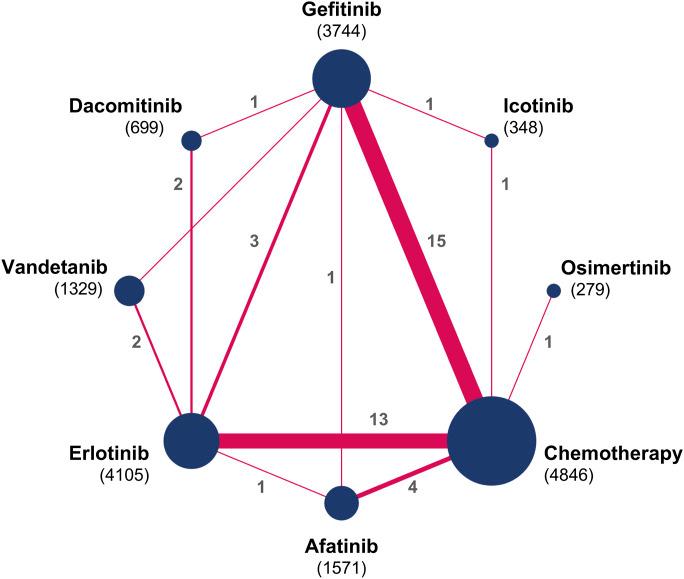
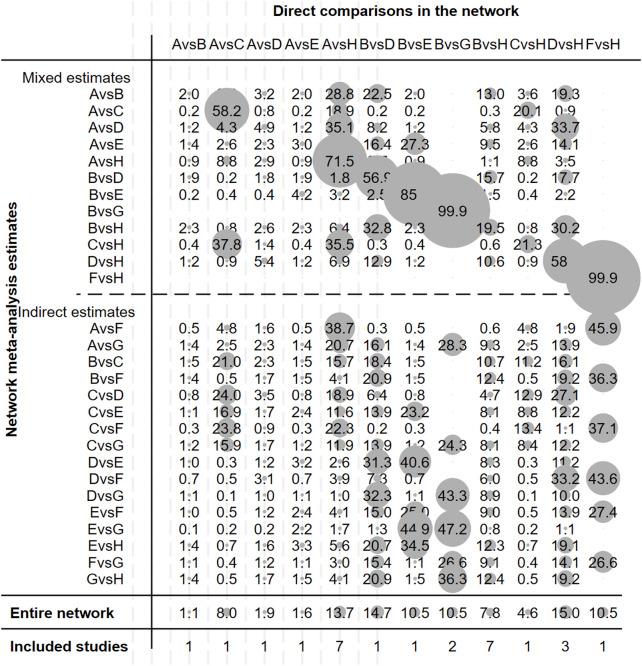
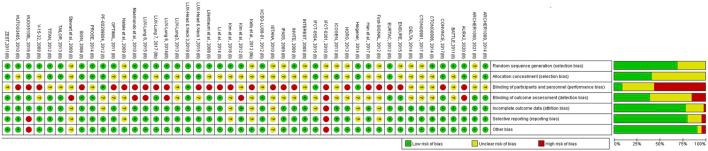
This study utilized two methods: network meta-analysis (NMA) and disproportionality analysis (DA). For NMA, we searched PubMed, Embase, Cochrane Central Register of Controlled Trials, and ClinicalTrials.gov up to 10 September 2024, for phase II/III RCTs comparing EGFR-TKI monotherapy with chemotherapy or other EGFR-TKIs. Using STATA 18.0, we calculated odds ratios (ORs) with 95% confidence intervals (CIs) and assessed heterogeneity via Chi-squared and I tests. Adverse events (AEs) were ranked using the surface under the cumulative ranking curve (SUCRA). For DA, we analyzed FAERS data (January 2004-June 2024), evaluating AE signals with reporting odds ratios (RORs) and 95% CIs; signals were considered significant if the ROR and its 95% CI lower bound exceeded 1. Primary outcomes for NMA included all-grade AEs, grade ≥3 AEs, specific AEs, and AE-related mortality. For DA, outcomes included EGFR-TKI as the primary AE cause, time from treatment to AE, and AE-related mortality.
RESULTS
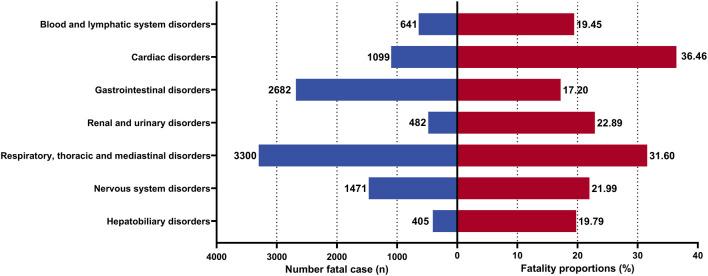
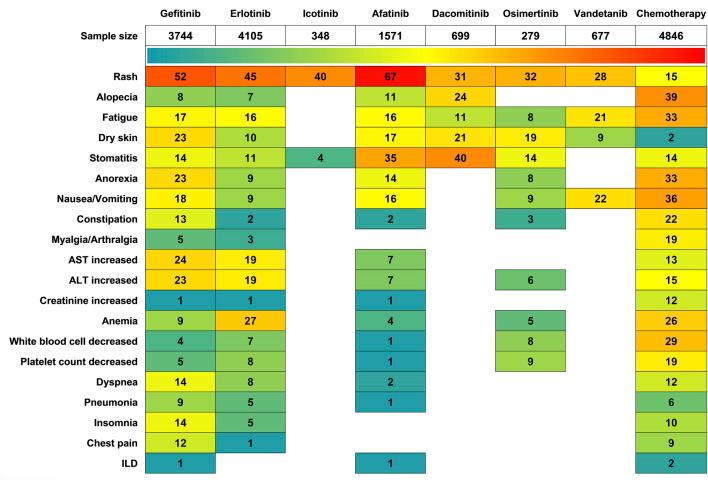
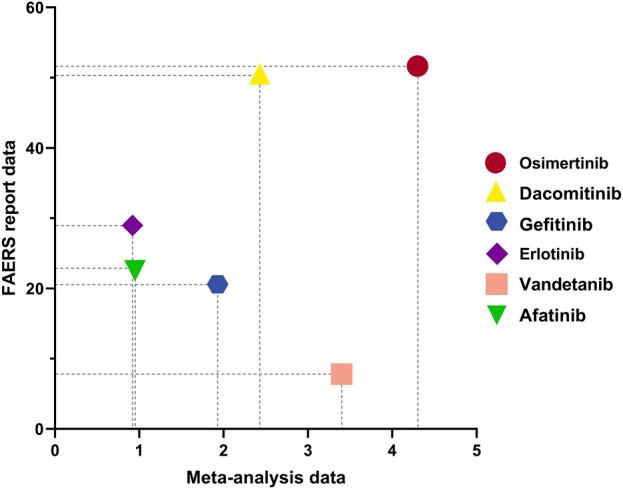
NMA: 48% of EGFR-TKI patients experienced AEs, with 32.7% being severe. Afatinib showed highest toxicity; Icotinib was safest. Osimertinib was associated with highest risks of leukopenia (8%) and thrombocytopenia (9%). DA: Osimertinib had strongest links to cardiac diseases and blood/lymphatic disorders. Gefitinib had the strongest signal for interstitial lung diseases; Erlotinib for anorexia. Most AEs occurred within 30 days, but cardiac disorders had a median onset of 41 days. Osimertinib had the highest AE-related mortality, with cardiac disorders leading in fatalities.
CONCLUSION
This study used NMA and DA to explore EGFR-TKI-related AEs. Drugs varied in AE profiles, mostly mild, but Osimertinib and Dacomitinib were associated with more severe events. Osimertinib carried a high cardiac risk, delayed onset, and high mortality. Thus, comprehensive patient assessment and close monitoring are crucial with EGFR-TKI use.
背景
临床使用的表皮生长因子受体酪氨酸激酶抑制剂(EGFR-TKIs)显示出前景,但可能会引起不良事件(AEs),影响患者的健康并增加成本。
方法
本研究采用了两种方法:网状荟萃分析(NMA)和不成比例分析(DA)。对于NMA,我们检索了截至2024年9月10日的PubMed、Embase、Cochrane对照试验中央注册库和ClinicalTrials.gov,以查找比较EGFR-TKI单药治疗与化疗或其他EGFR-TKIs的II/III期随机对照试验(RCTs)。使用STATA 18.0,我们计算了比值比(ORs)及其95%置信区间(CIs),并通过卡方检验和I²检验评估异质性。不良事件(AEs)使用累积排序曲线下面积(SUCRA)进行排名。对于DA,我们分析了FDA不良事件报告系统(FAERS)数据(2004年1月至2024年6月),使用报告比值比(RORs)及其95% CIs评估AE信号;如果ROR及其95% CI下限超过1,则认为信号显著。NMA的主要结局包括所有级别的AEs、≥3级AEs、特定AEs以及与AE相关的死亡率。对于DA,结局包括EGFR-TKI作为主要AE原因、从治疗到AE的时间以及与AE相关的死亡率。
结果
NMA:48%的EGFR-TKI患者经历了AEs,其中32.7%为严重AEs。阿法替尼显示出最高的毒性;埃克替尼最安全。奥希替尼与白细胞减少症(8%)和血小板减少症(9%)的最高风险相关。DA:奥希替尼与心脏病和血液/淋巴系统疾病的关联最强。吉非替尼与间质性肺病的信号最强;厄洛替尼与厌食症的信号最强。大多数AEs发生在30天内,但心脏病的中位发病时间为41天。奥希替尼的AE相关死亡率最高,心脏病导致的死亡人数最多。
结论
本研究使用NMA和DA探索EGFR-TKI相关的AEs。不同药物的AE谱不同,大多为轻度,但奥希替尼和达可替尼与更严重的事件相关。奥希替尼具有较高的心脏风险、延迟发病和高死亡率。因此,在使用EGFR-TKI时,全面的患者评估和密切监测至关重要。




 Zotero 插件