
用于伤口愈合和感染监测的可穿戴生物传感器的进展
Advances in Wearable Biosensors for Wound Healing and Infection Monitoring.
作者信息
Vo Dang-Khoa, Trinh Kieu The Loan
机构信息
College of Pharmacy, Gachon University, 191 Hambakmoe-ro, Yeonsu-gu, Incheon 21936, Republic of Korea.
BioNano Applications Research Center, Gachon University, 1342 Seongnam-daero, Sujeong-gu, Seongnam-si 13120, Republic of Korea.
出版信息
Biosensors (Basel). 2025 Feb 23;15(3):139. doi: 10.3390/bios15030139.
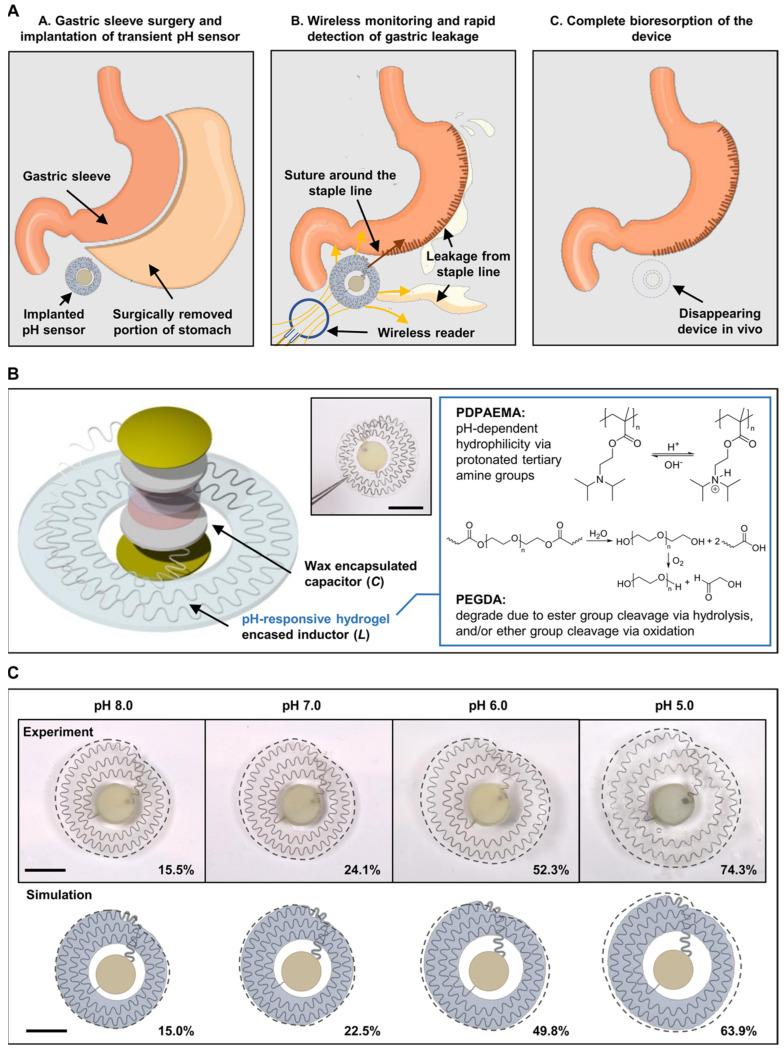
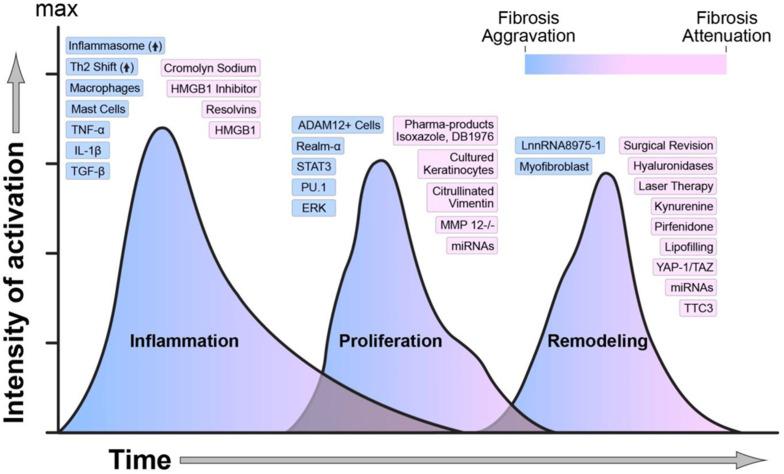
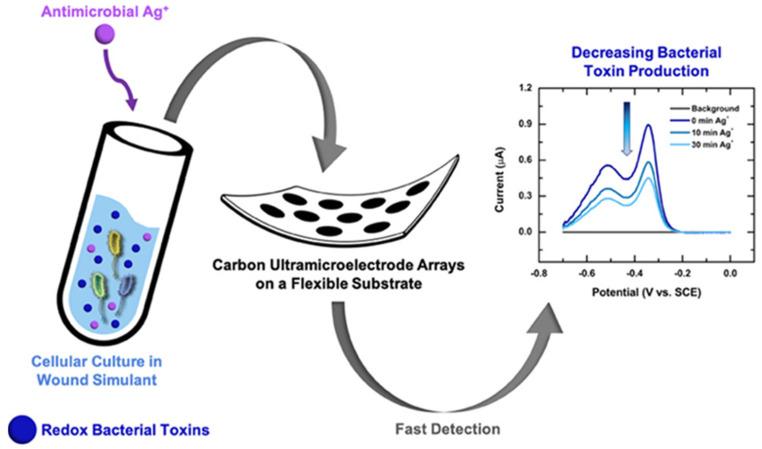
Wound healing is a complicated biological process that is important for restoring tissue integrity and function after injury. Infection, usually due to bacterial colonization, significantly complicates this process by hindering the course of healing and enhancing the chances of systemic complications. Recent advances in wearable biosensors have transformed wound care by making real-time monitoring of biomarkers such as pH, temperature, moisture, and infection-related metabolites like trimethylamine and uric acid. This review focuses on recent advances in biosensor technologies designed for wound management. Novel sensor architectures, such as flexible and stretchable electronics, colorimetric patches, and electrochemical platforms, enable the non-invasive detection of changes associated with wounds with high specificity and sensitivity. These are increasingly combined with AI and analytics based on smartphones that can enable timely and personalized interventions. Examples are the PETAL patch sensor that applies multiple sensing mechanisms for wide-ranging views on wound status and closed-loop systems that connect biosensors to therapeutic devices to automate infection control. Additionally, self-powered biosensors that tap into body heat or energy from the biofluids themselves avoid any external batteries and are thus more effective in field use or with limited resources. Internet of Things connectivity allows further support for remote sharing and monitoring of data, thus supporting telemedicine applications. Although wearable biosensors have developed relatively rapidly and their prospects continue to expand, regular clinical application is stalled by significant challenges such as regulatory, cost, patient compliance, and technical problems related to sensor accuracy, biofouling, and power, among others, that need to be addressed by innovative solutions. The goal of this review is to synthesize current trends, challenges, and future directions in wound healing and infection monitoring, with emphasis on the potential for wearable biosensors to improve patient outcomes and reduce healthcare burdens. These innovations are leading the way toward next-generation wound care by bridging advanced materials science, biotechnology, and digital health.
伤口愈合是一个复杂的生物学过程,对于损伤后恢复组织完整性和功能至关重要。感染通常由细菌定植引起,会通过阻碍愈合过程并增加全身并发症的几率,使这一过程显著复杂化。可穿戴生物传感器的最新进展通过对生物标志物(如pH值、温度、湿度)以及与感染相关的代谢物(如三甲胺和尿酸)进行实时监测,改变了伤口护理方式。本综述聚焦于为伤口管理设计的生物传感器技术的最新进展。新型传感器架构,如柔性和可拉伸电子器件、比色贴片和电化学平台,能够以高特异性和灵敏度对与伤口相关的变化进行非侵入性检测。这些技术越来越多地与基于智能手机的人工智能和分析技术相结合,从而实现及时和个性化的干预。例如,PETAL贴片传感器应用多种传感机制以全面了解伤口状况,以及将生物传感器与治疗设备相连以实现感染控制自动化的闭环系统。此外,利用人体热量或生物流体自身能量的自供电生物传感器无需任何外部电池,因此在现场使用或资源有限的情况下更有效。物联网连接允许进一步支持数据的远程共享和监测,从而支持远程医疗应用。尽管可穿戴生物传感器发展相对迅速且前景不断拓展,但常规临床应用因监管、成本、患者依从性以及与传感器准确性、生物污垢和功率等相关的技术问题等重大挑战而停滞不前,这些问题需要通过创新解决方案加以解决。本综述的目标是综合伤口愈合和感染监测的当前趋势、挑战及未来方向,重点关注可穿戴生物传感器改善患者预后和减轻医疗负担的潜力。这些创新正通过融合先进材料科学、生物技术和数字健康,引领下一代伤口护理的发展方向。



 Zotero 插件