
生物医学研究中使用脊索动物胚胎的方法学与伦理学考量
Methodological and Ethical Considerations in the Use of Chordate Embryos in Biomedical Research.
作者信息
Campitelli Laura Maria Mendes, Lopes Karina Pereira, de Lima Isabela Lemos, Ferreira Flávia Batista, Isidoro Nayara Delfim, Ferreira Giovana Magalhães, Ponce Maria Clara Fioravanti, Ferreira Milene Caroline de Oliveira, Mendes Ludmilla Silva, Marcelino Pedro Henrique Ribeiro, Neves Matheus Morais, Klein Sandra Gabriela, Fonseca Belchiolina Beatriz, Polveiro Richard Costa, da Silva Murilo Vieira
机构信息
Biotechnology in Experimental Models Laboratory-LABME, Federal University of Uberlândia, Uberlândia 38405-330, MG, Brazil.
Faculty of Veterinary Medicine, Federal University of Uberlândia, Uberlândia 38410-337, MG, Brazil.
出版信息
Int J Mol Sci. 2025 Mar 14;26(6):2624. doi: 10.3390/ijms26062624.
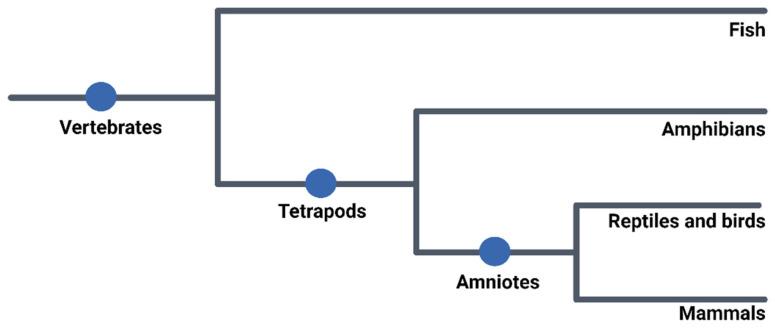
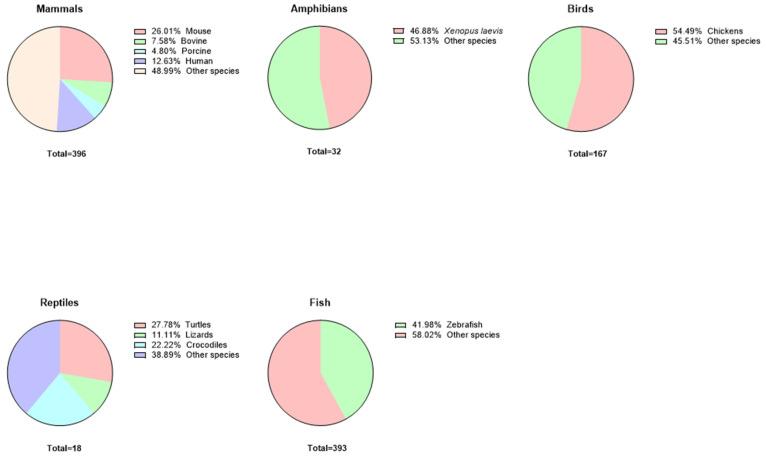
Animal embryos are vital tools in scientific research, providing insights into biological processes and disease mechanisms. This paper explores their historical and contemporary significance, highlighting the shift towards the refinement of in vitro systems as alternatives to animal experimentation. We have conducted a data review of the relevant literature on the use of embryos in research and synthesized the data to highlight the importance of this model for scientific progress and the ethical considerations and regulations surrounding embryo research, emphasizing the importance of minimizing animal suffering while promoting scientific progress through the principles of replacement, reduction, and refinement. Embryos from a wide range of species, including mammals, fish, birds, amphibians, and reptiles, play a crucial experimental role in enabling us to understand factors such as substance toxicity, embryonic development, metabolic pathways, physiological processes, etc., that contribute to the advancement of the biological sciences. To apply this model effectively, it is essential to match the research objectives with the most appropriate methodology, ensuring that the chosen approach is appropriate for the scope of the study.
动物胚胎是科学研究中的重要工具,能让我们深入了解生物过程和疾病机制。本文探讨了它们的历史和当代意义,强调了向体外系统优化转变作为动物实验替代方法的趋势。我们对有关胚胎在研究中使用的相关文献进行了数据回顾,并综合这些数据以突出该模型对科学进步的重要性以及围绕胚胎研究的伦理考量和规定,强调在通过替代、减少和优化原则促进科学进步的同时尽量减少动物痛苦的重要性。来自包括哺乳动物、鱼类、鸟类、两栖动物和爬行动物在内的广泛物种的胚胎,在使我们能够理解诸如物质毒性、胚胎发育、代谢途径、生理过程等有助于生物科学进步的因素方面发挥着关键的实验作用。为了有效应用该模型,必须使研究目标与最合适的方法相匹配,确保所选方法适合研究范围。



 Zotero 插件