
小鼠模型在抗疟药物发现中确定体内药代动力学、安全性和疗效方面的重要性。
The Importance of Murine Models in Determining In Vivo Pharmacokinetics, Safety, and Efficacy in Antimalarial Drug Discovery.
作者信息
Adebayo Glory, Ayanda Opeyemi I, Rottmann Matthias, Ajibaye Olusola S, Oduselu Gbolahan, Mulindwa Julius, Ajani Olayinka O, Aina Oluwagbemiga, Mäser Pascal, Adebiyi Ezekiel
机构信息
Covenant University Bioinformatics Research (CUBRe), Covenant University, Ota PMB 1023, Nigeria.
Department of Biological Sciences, College of Science and Technology, Covenant University, Ota PMB 1023, Nigeria.
出版信息
Pharmaceuticals (Basel). 2025 Mar 18;18(3):424. doi: 10.3390/ph18030424.
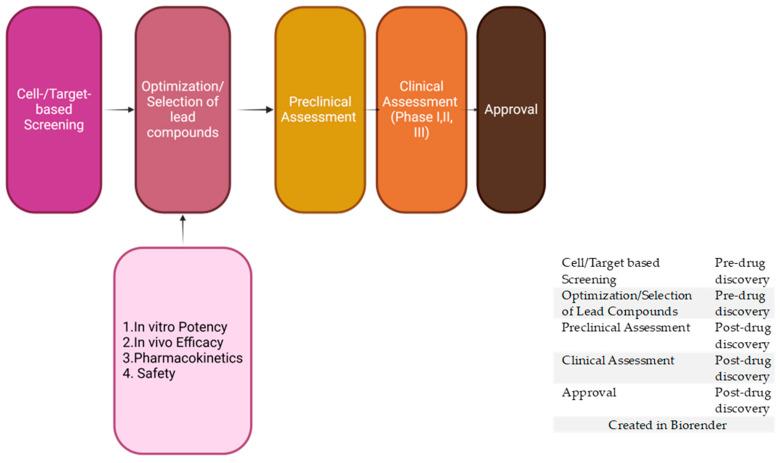
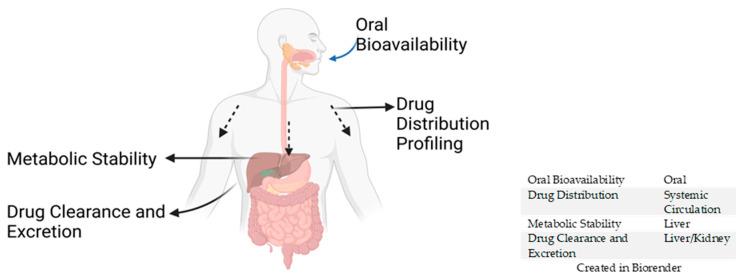
New chemical entities are constantly being investigated towards antimalarial drug discovery, and they require animal models for toxicity and efficacy testing. Murine models show physiological similarities to humans and are therefore indispensable in the search for novel antimalarial drugs. They provide a preclinical basis (following in vitro assessments of newly identified lead compounds) for further assessment in the drug development pipeline. Specific mouse strains, non-humanized and humanized, have successfully been infected with rodent species and the human species, respectively. Infected mice provide a platform for the assessment of treatment options being sought. In vivo pharmacokinetic evaluations are necessary when determining the fate of potential antimalarials in addition to the efficacy assessment of these chemical entities. This review describes the role of murine models in the drug development pipeline. It also explains some in vivo pharmacokinetic, safety, and efficacy parameters necessary for making appropriate choices of lead compounds in antimalarial drug discovery. Despite the advantages of murine models in antimalarial drug discovery, certain limitations are also highlighted.
新的化学实体不断被用于抗疟药物研发的研究中,它们需要动物模型进行毒性和疗效测试。小鼠模型在生理上与人类相似,因此在寻找新型抗疟药物方面不可或缺。它们为药物研发流程中的进一步评估提供了临床前基础(在对新鉴定的先导化合物进行体外评估之后)。特定的小鼠品系,包括非人源化和人源化的,已分别成功感染啮齿动物疟原虫和人类疟原虫。受感染的小鼠为评估正在探索的治疗方案提供了一个平台。除了对这些化学实体进行疗效评估外,在确定潜在抗疟药物的命运时,体内药代动力学评估也是必要的。本综述描述了小鼠模型在药物研发流程中的作用。它还解释了在抗疟药物研发中做出合适的先导化合物选择所需的一些体内药代动力学、安全性和疗效参数。尽管小鼠模型在抗疟药物研发中有诸多优势,但也突出了某些局限性。



 Zotero 插件