
宿主内适应性和抗原性转变是影响严重急性呼吸综合征冠状病毒2(SARS-CoV-2)基因宿主内变异流行率的关键因素。
Within-Host Fitness and Antigenicity Shift Are Key Factors Influencing the Prevalence of Within-Host Variations in the SARS-CoV-2 Gene.
作者信息
Xi Binbin, Hua Zhihao, Jiang Dawei, Chen Zixi, Wei Jinfen, Meng Yuhuan, Du Hongli
机构信息
School of Biology and Biological Engineering, South China University of Technology, Guangzhou 510006, China.
Guangzhou KingMed Transformative Medicine Institute, KingMed School of Laboratory Medicine, Guangzhou Medical University, Guangzhou 510220, China.
出版信息
Viruses. 2025 Mar 2;17(3):362. doi: 10.3390/v17030362.
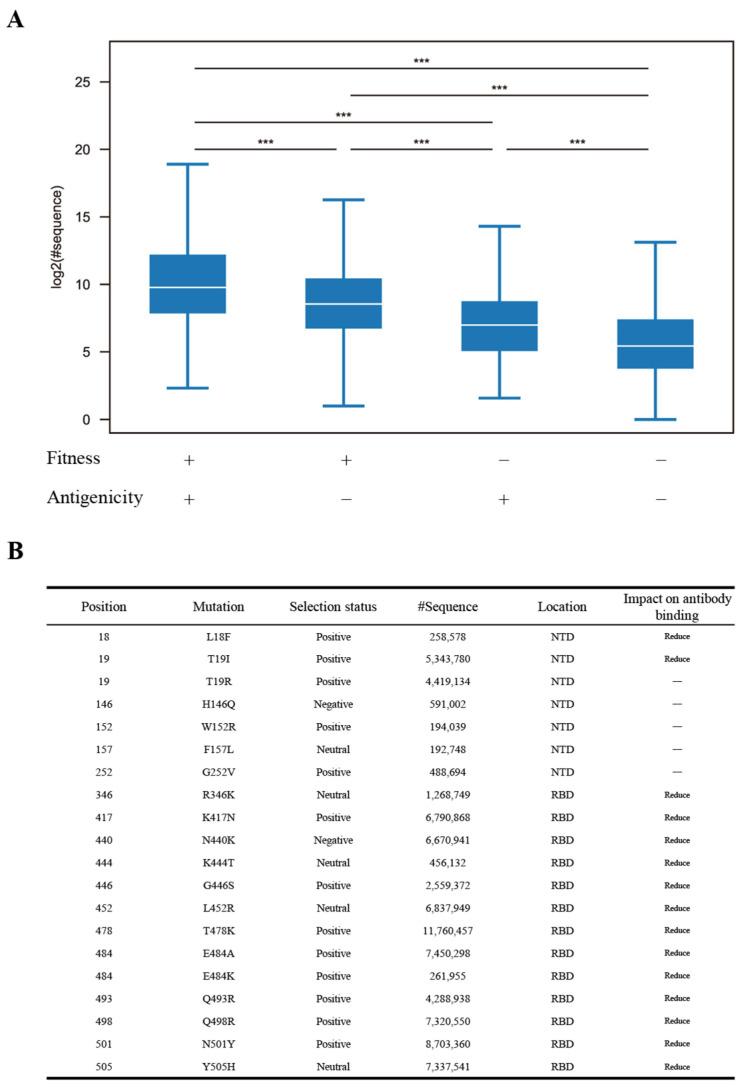
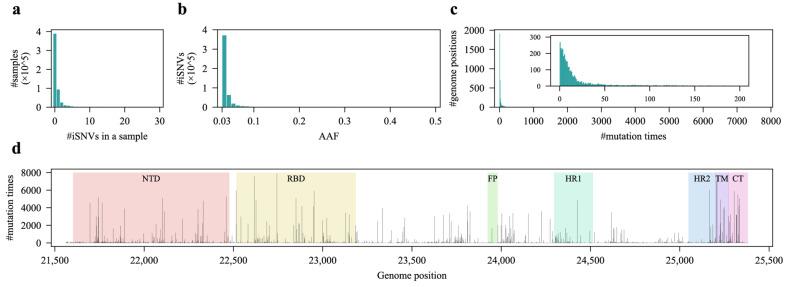
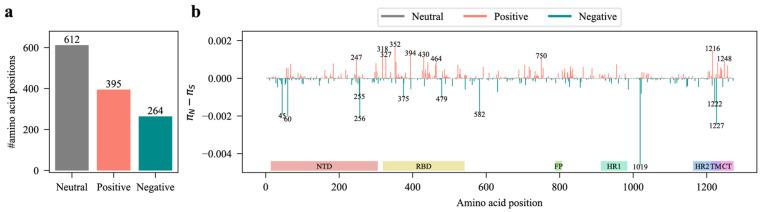
Within-host evolution plays a critical role in shaping the diversity of SARS-CoV-2. However, understanding the primary factors contributing to the prevalence of intra-host single nucleotide variants (iSNVs) in the viral population remains elusive. Here, we conducted a comprehensive analysis of over 556,000 SARS-CoV-2 sequencing data and prevalence data of different SARS-CoV-2 S protein amino acid mutations to elucidate key factors influencing the prevalence of iSNVs in the SARS-CoV-2 gene. Within-host diversity analysis revealed the presence of mutational hotspots within the gene, mainly located in NTD, RBD, TM, and CT domains. Additionally, we generated a single amino acid resolution selection status map of the S protein. We observed a significant variance in within-host fitness among iSNVs in the S protein. The majority of iSNVs exhibited low to no within-host fitness and displayed low alternate allele frequency (AAF), suggesting that they will be eliminated due to the narrow transmission bottleneck of SARS-CoV-2. Notably, iSNVs with moderate AAFs (0.06-0.12) were found to be more prevalent than those with high AAFs. Furthermore, iSNVs with the potential to alter antigenicity were more prevalent. These findings underscore the significance of within-host fitness and antigenicity shift as two key factors influencing the prevalence of iSNVs in the SARS-CoV-2 gene.
病毒体内进化在塑造新冠病毒的多样性方面起着关键作用。然而,了解导致病毒群体中宿主内单核苷酸变异(iSNV)流行的主要因素仍然很困难。在此,我们对超过55.6万个新冠病毒测序数据以及不同新冠病毒S蛋白氨基酸突变的流行数据进行了全面分析,以阐明影响新冠病毒基因中iSNV流行的关键因素。病毒体内多样性分析揭示了该基因内存在突变热点,主要位于NTD、RBD、TM和CT结构域。此外,我们生成了S蛋白的单氨基酸分辨率选择状态图。我们观察到S蛋白中iSNV之间的病毒体内适应性存在显著差异。大多数iSNV表现出低至无病毒体内适应性,且替代等位基因频率(AAF)较低,这表明它们将因新冠病毒狭窄的传播瓶颈而被消除。值得注意的是,发现AAF中等(0.06 - 0.12)的iSNV比AAF高的iSNV更普遍。此外,具有改变抗原性潜力的iSNV更普遍。这些发现强调了病毒体内适应性和抗原性转变作为影响新冠病毒基因中iSNV流行的两个关键因素的重要性。


 Zotero 插件