
追踪技术的进展:绘制间充质干细胞衍生细胞外囊泡的轨迹
Advances in Tracing Techniques: Mapping the Trajectory of Mesenchymal Stem-Cell-Derived Extracellular Vesicles.
作者信息
Li Jingqi, Wang Zhaoyu, Wei Yongchun, Li Wenshuai, He Mingzhu, Kang Jingjing, Xu Jia, Liu Dingbin
机构信息
State Key Laboratory of Medicinal Chemical Biology, Tianjin Key Laboratory of Molecular Recognition and Biosensing, Frontiers Science Centers for Cell Responses and New Organic Matter, College of Chemistry, Nankai University, Tianjin 300071, China.
State Key Laboratory for Crop Stress Resistance and High-Efficiency Production, Shaanxi Key Laboratory of Agricultural and Environmental Microbiology, College of Life Sciences, Northwest A&F University, Yangling, Shaanxi 712100, China.
出版信息
Chem Biomed Imaging. 2025 Feb 2;3(3):137-168. doi: 10.1021/cbmi.4c00085. eCollection 2025 Mar 24.
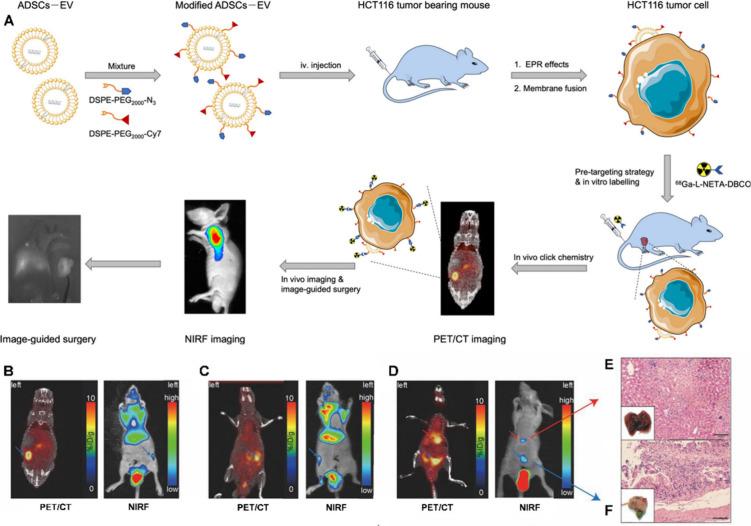
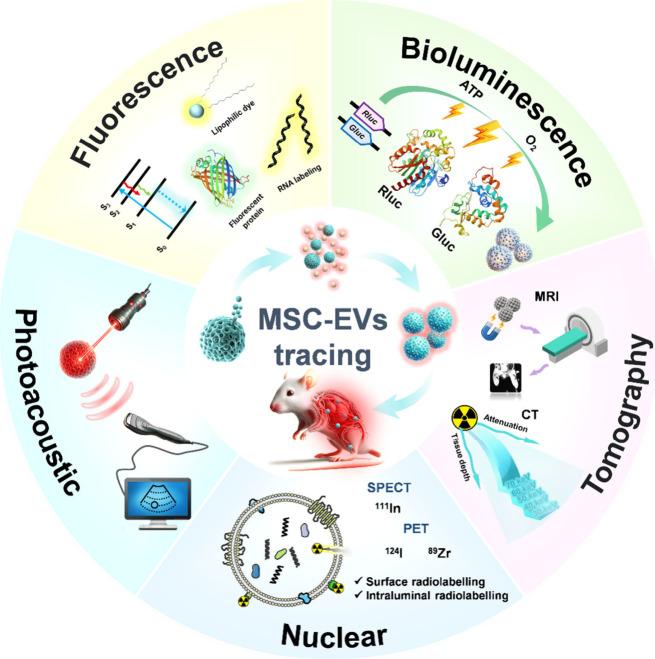
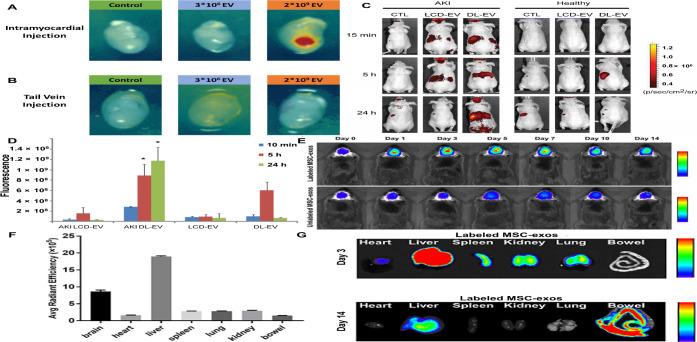
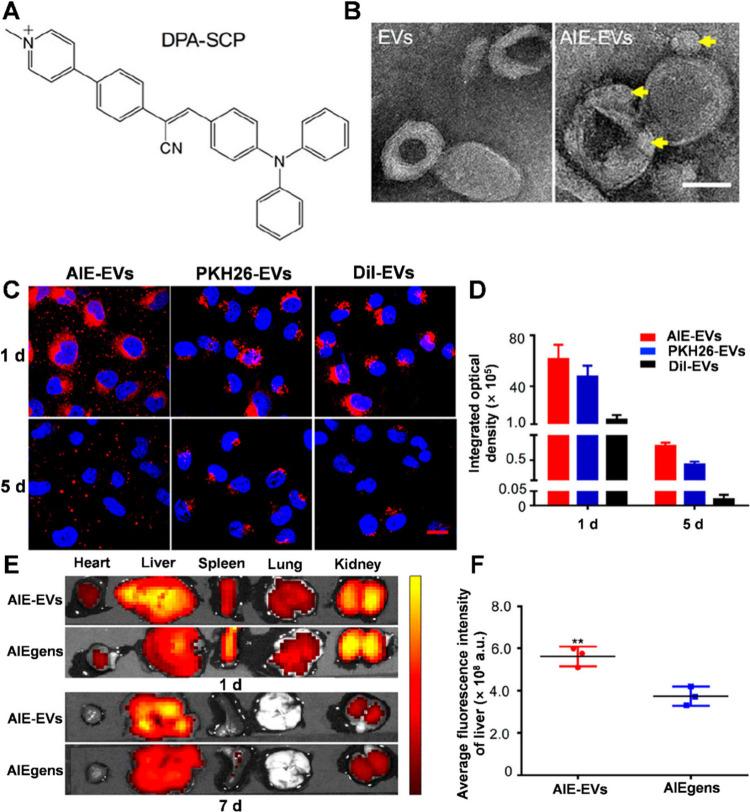
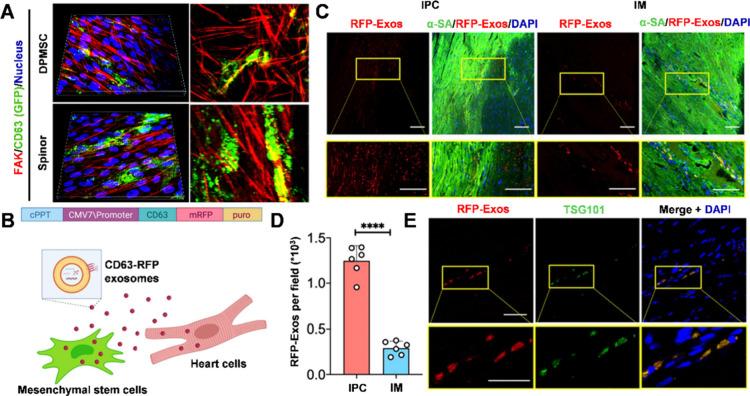
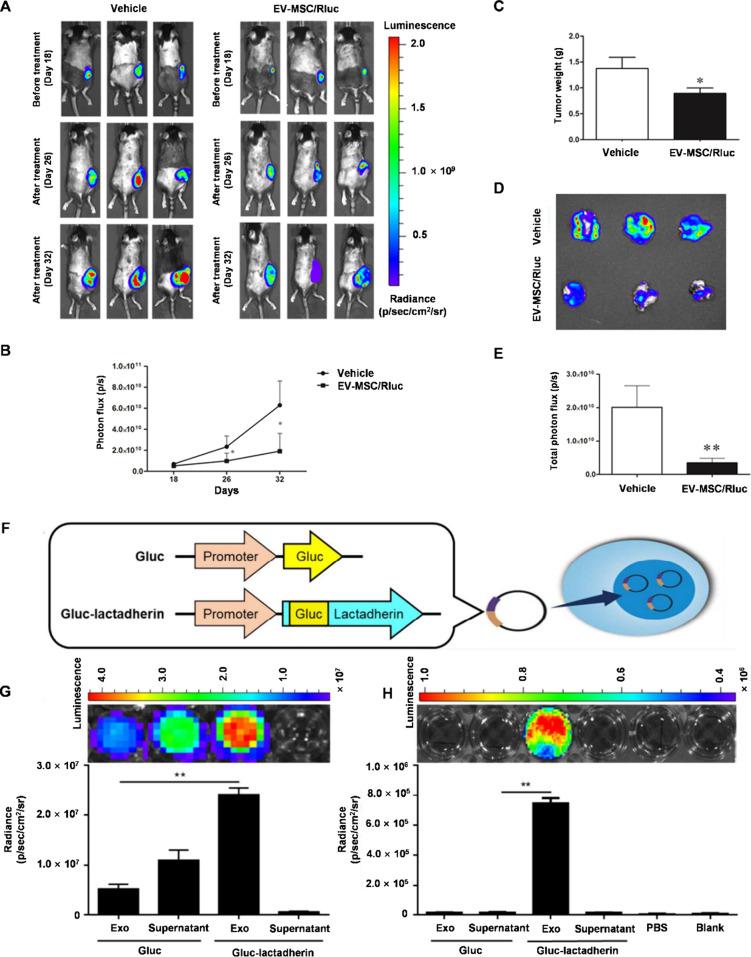
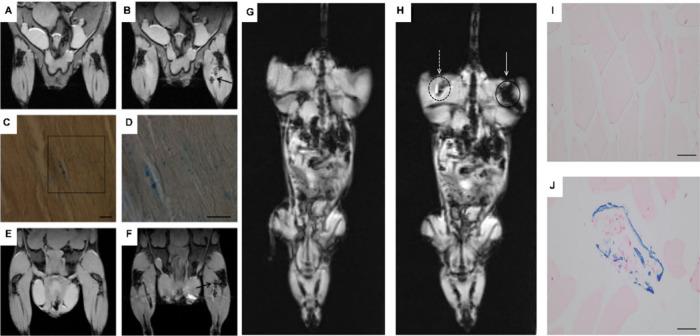
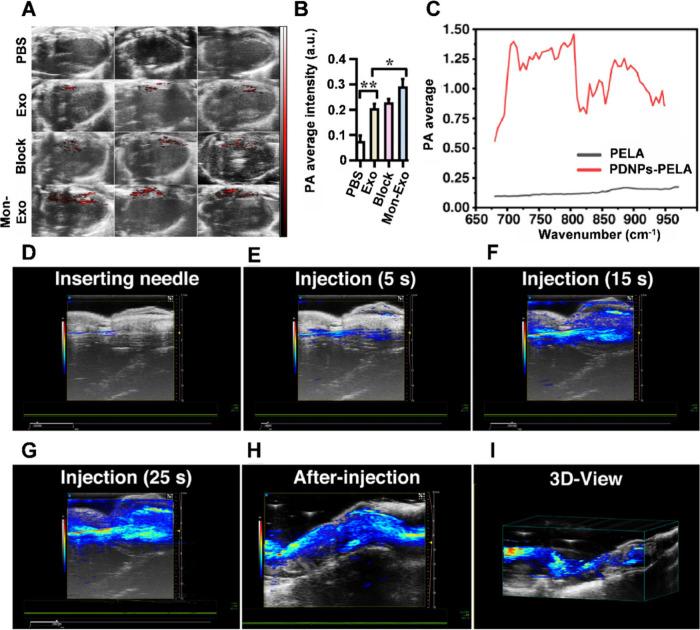
Mesenchymal stem-cell-derived extracellular vesicles (MSC-EVs) are nanoscale lipid bilayer vesicles secreted by mesenchymal stem cells. They inherit the parent cell's attributes, facilitating tissue repair and regeneration, promoting angiogenesis, and modulating the immune response, while offering advantages like reduced immunogenicity, straightforward administration, and enhanced stability for long-term storage. These characteristics elevate MSC-EVs as highly promising in cell-free therapy with notable clinical potential. It is critical to delve into their pharmacokinetics and thoroughly elucidate their intracellular and trajectories. A detailed summary and evaluation of existing tracing strategies are needed to establish standardized protocols. Here, we have summarized and anticipated the research progress of MSC-EVs in various biomedical imaging techniques, including fluorescence imaging, bioluminescence imaging, nuclear imaging (PET, SPECT), tomographic imaging (CT, MRI), and photoacoustic imaging. The challenges and prospects of MSC-EV tracing strategies, with particular emphasis on clinical translation, have been analyzed, with promising solutions proposed.
间充质干细胞衍生的细胞外囊泡(MSC-EVs)是间充质干细胞分泌的纳米级脂质双层囊泡。它们继承了亲代细胞的特性,有助于组织修复和再生,促进血管生成,并调节免疫反应,同时具有免疫原性降低、给药简便和长期储存稳定性增强等优点。这些特性使MSC-EVs在具有显著临床潜力的无细胞治疗中极具前景。深入研究其药代动力学并彻底阐明其细胞内和体内轨迹至关重要。需要对现有示踪策略进行详细总结和评估,以建立标准化方案。在此,我们总结并展望了MSC-EVs在各种生物医学成像技术中的研究进展,包括荧光成像、生物发光成像、核成像(PET、SPECT)、断层成像(CT、MRI)和光声成像。分析了MSC-EV示踪策略的挑战和前景,特别强调了临床转化,并提出了有前景的解决方案。


 Zotero 插件