
无证据表明袋獾面部肿瘤病(DFTD)存在不同的转录组亚群。
No Evidence for Distinct Transcriptomic Subgroups of Devil Facial Tumor Disease (DFTD).
作者信息
Petrohilos Cleopatra, Peel Emma, Batley Kimberley C, Fox Samantha, Hogg Carolyn J, Belov Katherine
机构信息
School of Life and Environmental Sciences The University of Sydney Sydney New South Wales Australia.
Australian Research Council Centre of Excellence for Innovations in Peptide & Protein Science The University of Sydney Sydney New South Wales Australia.
出版信息
Evol Appl. 2025 Apr 1;18(4):e70091. doi: 10.1111/eva.70091. eCollection 2025 Apr.
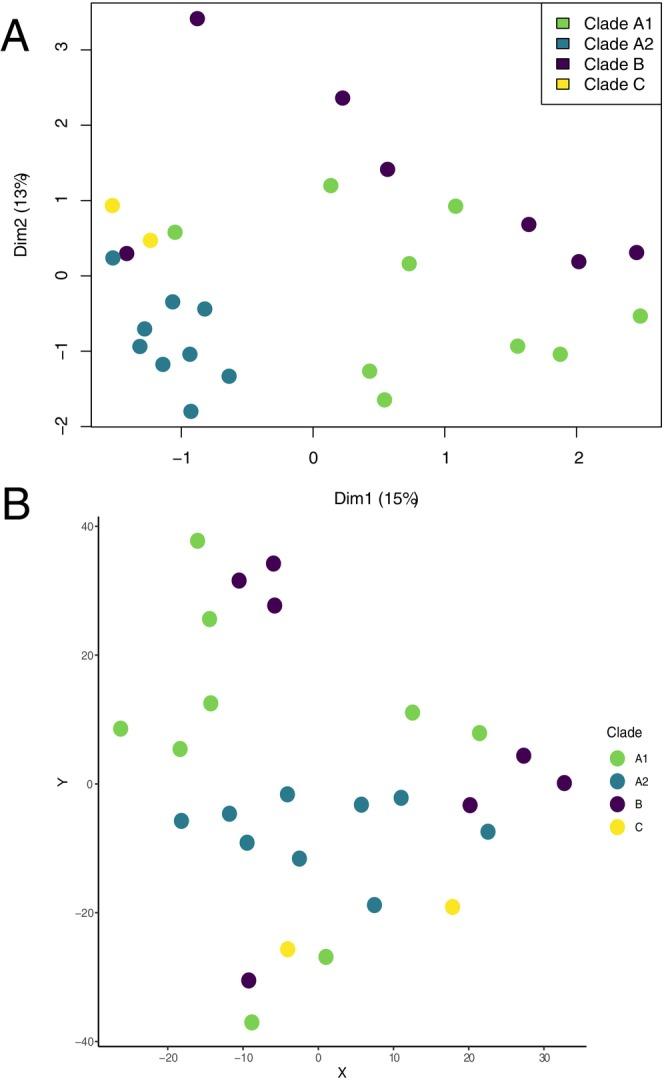
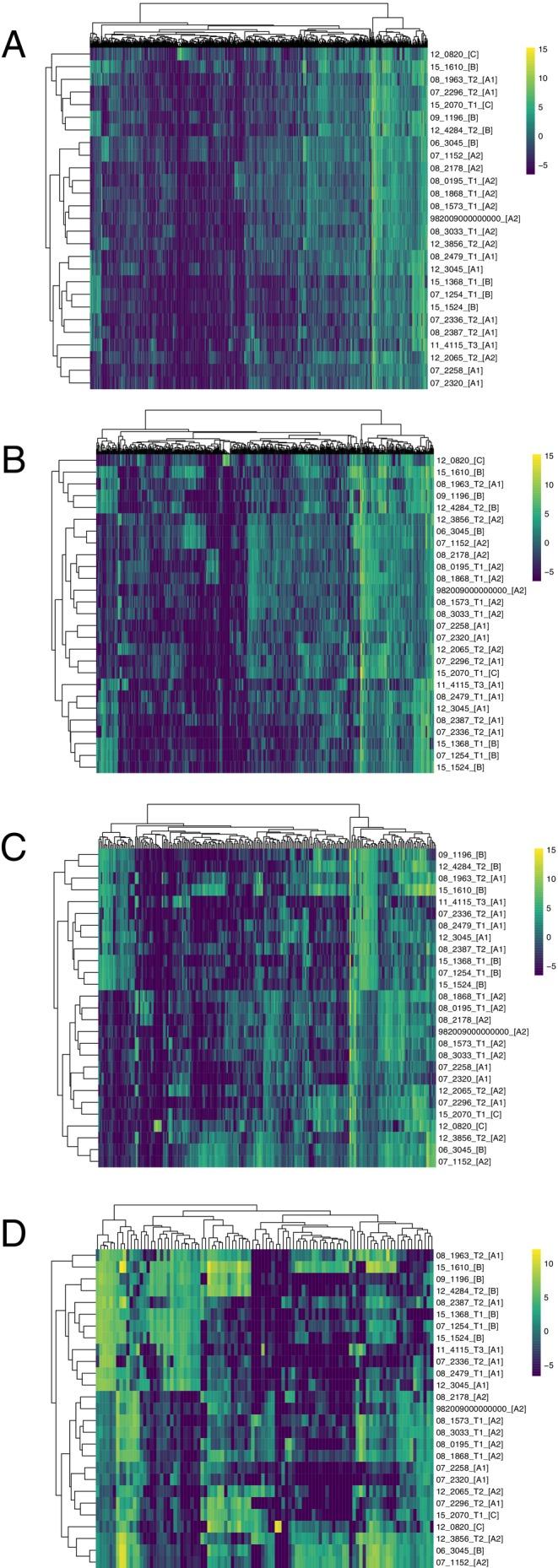
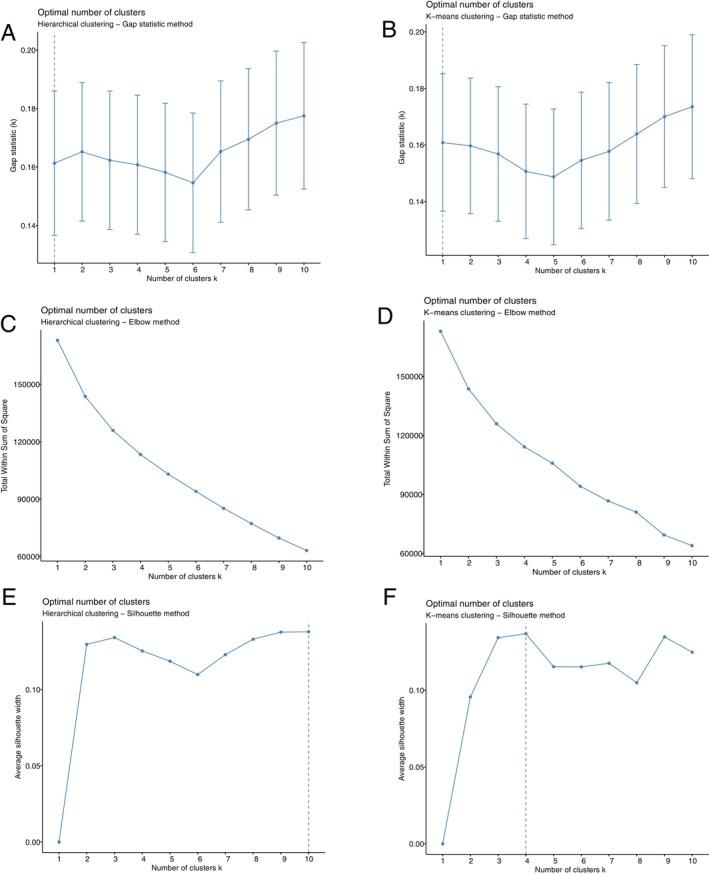
Contagious cancers represent one of the least understood types of infections in wildlife. Devil Facial Tumor Disease (comprised of two different contagious cancers, DFT1 and DFT2) has led to an 80% decline in the Tasmanian devil ( ) population at the regional level since it was first observed in 1996. There are currently no treatment options for the disease, and research efforts are focused on vaccine development. Although DFT1 is clonal, phylogenomic studies have identified different genetic variants of the pathogen. We postulated that different genetic strains may have different gene expression profiles and would therefore require different vaccine components. Here, we aimed to test this hypothesis by applying two types of unsupervised clustering (hierarchical and k-means) to 35 DFT1 transcriptomes selected from the disease's four major phylogenetic clades. The two algorithms produced conflicting results, and there was low support for either method individually. Validation metrics, such as the Gap statistic method, the Elbow method, and the Silhouette method, were ambiguous, contradictory, or indicated that our dataset only consisted of a single cluster. Collectively, our results show that the different phylogenetic clades of DFT1 all have similar gene expression profiles. Previous studies have suggested that transcriptomic differences exist between tumours from different locations. However, our study differs in that it considers both tumor purity and genotypic clade when analysing differences between DFTD biopsies. These results have important implications for therapeutic development, as they indicate that a single vaccine or treatment approach has the potential to be effective for a large cross-section of DFT1 tumors. As one of the largest studies to use transcriptomics to investigate phenotypic variation within a single contagious cancer, it also provides novel insight into this unique group of diseases.
传染性癌症是野生动物中最不为人所了解的感染类型之一。袋獾面部肿瘤病(由两种不同的传染性癌症DFT1和DFT2组成)自1996年首次被发现以来,已导致塔斯马尼亚袋獾种群在区域层面减少了80%。目前针对该疾病尚无治疗方案,研究工作主要集中在疫苗研发上。尽管DFT1是克隆性的,但系统基因组学研究已鉴定出该病原体的不同基因变体。我们推测不同的基因菌株可能具有不同的基因表达谱,因此需要不同的疫苗成分。在此,我们旨在通过对从该疾病的四个主要系统发育分支中选取的35个DFT1转录组应用两种无监督聚类方法(层次聚类和k均值聚类)来验证这一假设。这两种算法得出了相互矛盾的结果,且单独对任何一种方法的支持度都很低。诸如间隙统计法、肘部法和轮廓法等验证指标含糊不清、相互矛盾,或者表明我们的数据集仅由单个聚类组成。总体而言,我们的结果表明DFT1的不同系统发育分支都具有相似的基因表达谱。先前的研究表明,来自不同位置的肿瘤之间存在转录组差异。然而,我们的研究不同之处在于,在分析袋獾面部肿瘤病活检样本之间的差异时,同时考虑了肿瘤纯度和基因型分支。这些结果对治疗方法的开发具有重要意义,因为它们表明单一疫苗或治疗方法有可能对很大一部分DFT1肿瘤有效。作为利用转录组学研究单一传染性癌症内表型变异的最大规模研究之一,它也为这一独特的疾病群体提供了新见解。

 Zotero 插件