
银离子选择性荧光化学传感器的最新进展
Recent Progress in Silver-Ion-Selective Fluorescence Chemical Sensors.
作者信息
Qi Yueheng, Xu Huaxin, Chen Haowei
机构信息
Luoyang Key Laboratory of Organic Functional Molecules, College of Food and Drug, Luoyang Normal University, Luoyang, Henan 471934, PR China.
Hubei Key Laboratory of Natural Product Research and Development, College of Biological and Pharmaceutical Sciences, China Three Gorges University, Yichang 443002, People's Republic of China.
出版信息
ACS Omega. 2025 Mar 20;10(12):11743-11754. doi: 10.1021/acsomega.4c11607. eCollection 2025 Apr 1.
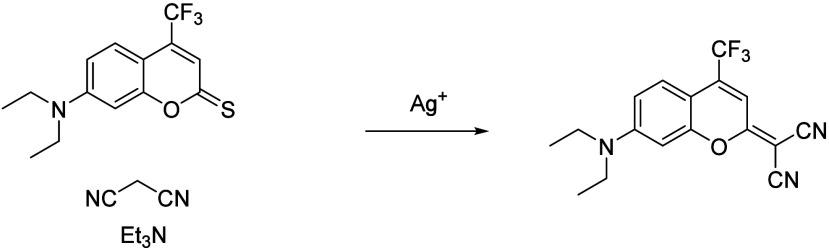
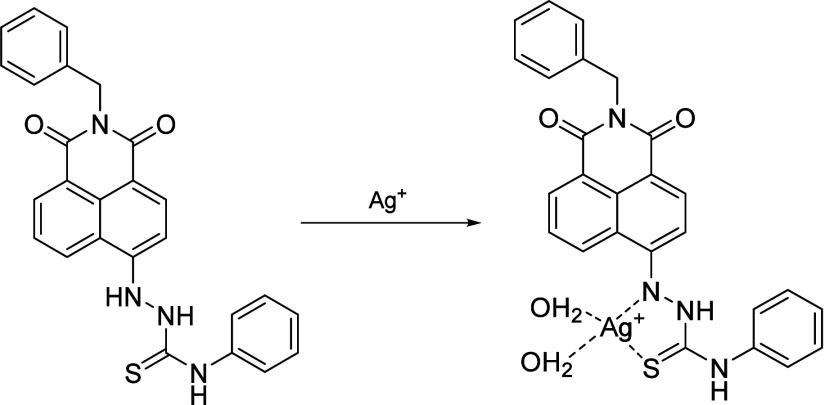
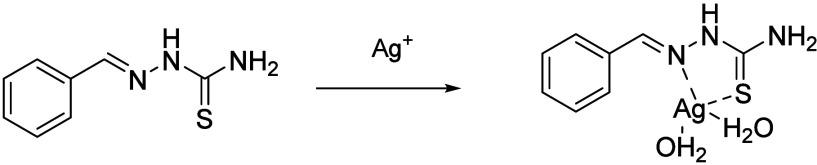
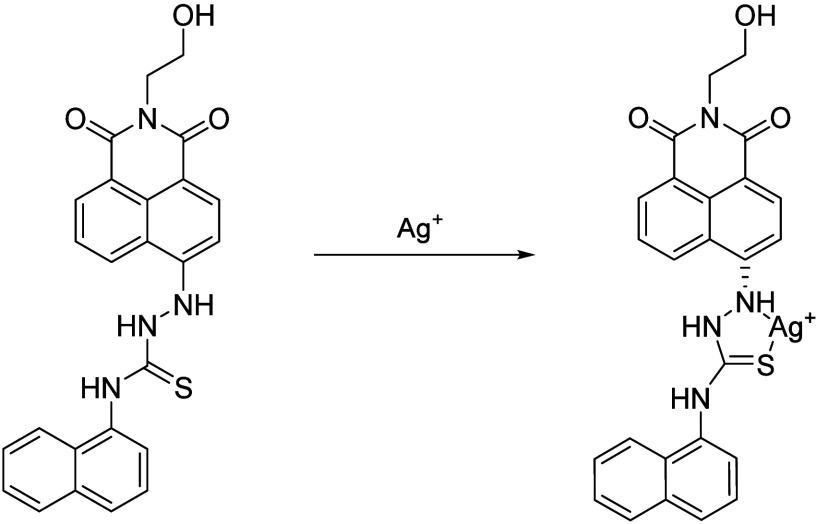
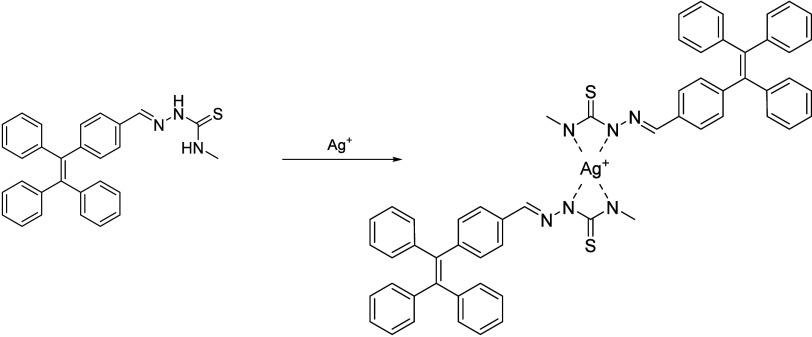
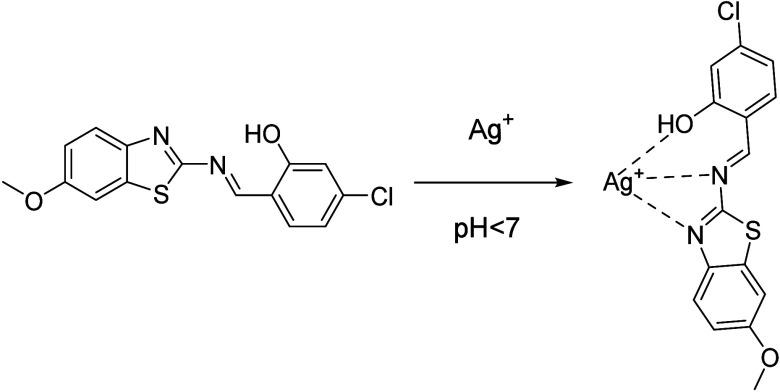
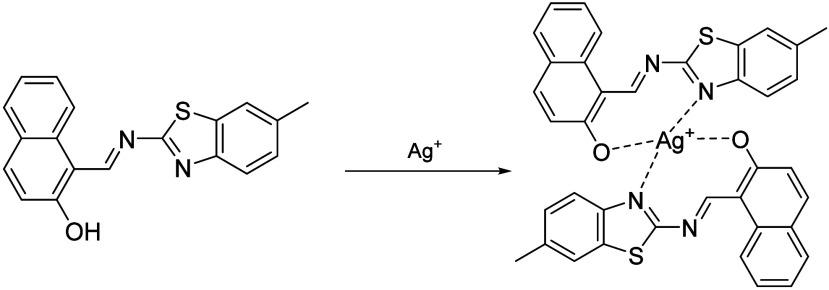
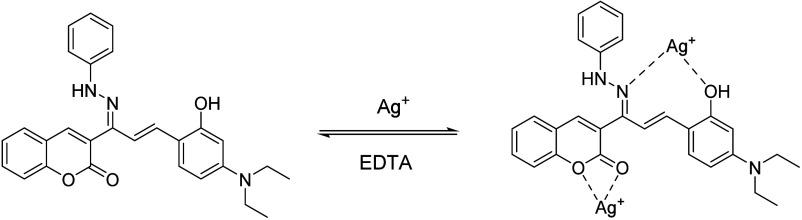
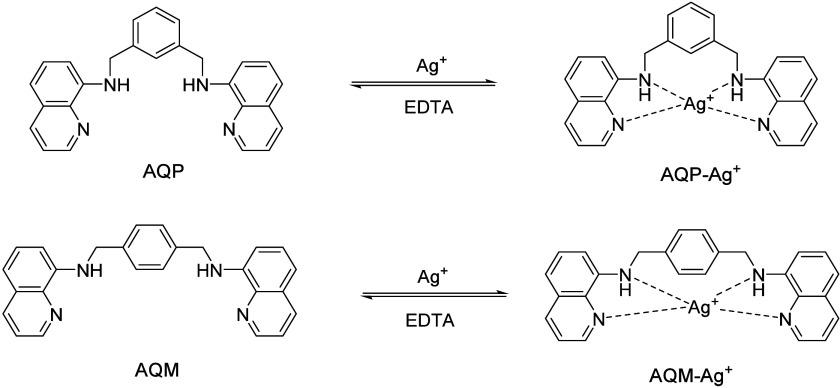
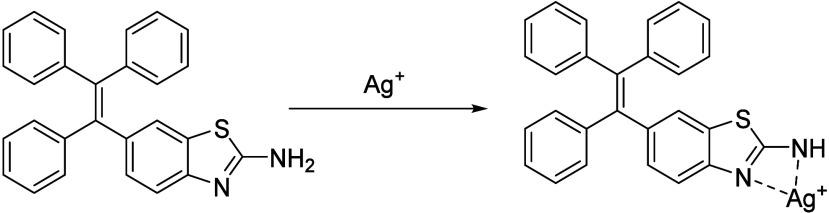
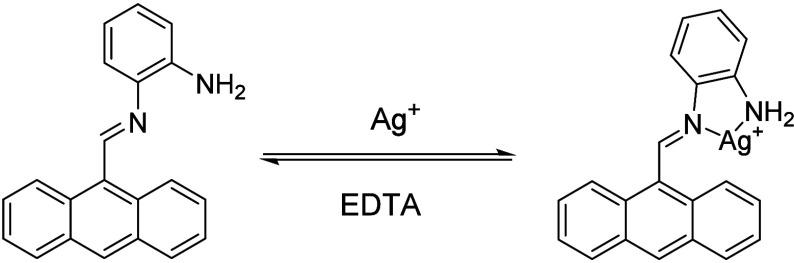
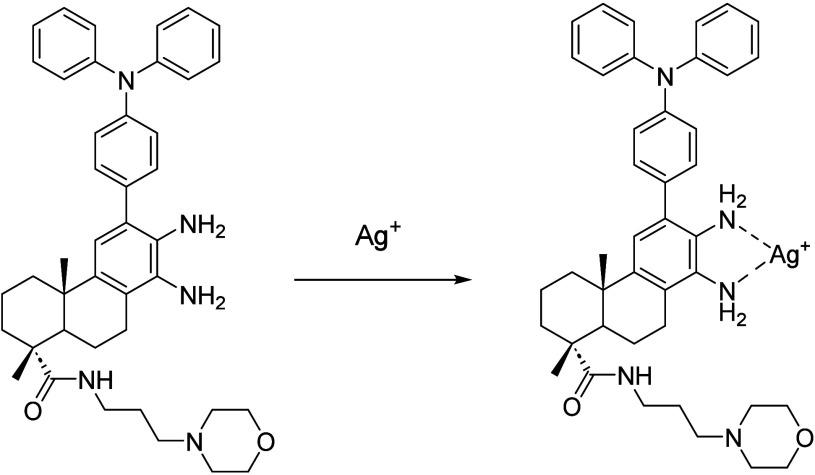
Heavy metal ions easily accumulate in the human body through the food chain, and their binding with sulfur-containing proteins, enzymes, and various metabolites can affect the liver, kidneys, and central nervous system. The development of sensors for detecting Ag and other metal ions provides an economically efficient means of protecting the environment and human health. This review focused on the latest developments in fluorescent and colorimetric organic small-molecule sensors for identifying Ag. We analyzed their recognition principles and mechanisms; discussed their sensitivity, specificity, and stability; and conducted in-depth research on their application performance in practical environments.
重金属离子容易通过食物链在人体中蓄积,它们与含硫蛋白质、酶及各种代谢产物结合会影响肝脏、肾脏和中枢神经系统。用于检测银及其他金属离子的传感器的开发为保护环境和人类健康提供了一种经济高效的手段。本综述聚焦于用于识别银的荧光和比色有机小分子传感器的最新进展。我们分析了它们的识别原理和机制;讨论了它们的灵敏度、特异性和稳定性;并对它们在实际环境中的应用性能进行了深入研究。










 Zotero 插件