
严重急性呼吸综合征冠状病毒2型的流行病学、动力学及进化:一篇综述
SARS-CoV-2 epidemiology, kinetics, and evolution: A narrative review.
作者信息
Alizon Samuel, Sofonea Mircea T
机构信息
CIRB, CNRS, INSERM, Collège de France, Université PSL, Paris, France.
PCCEI, University Montpellier, INSERM, Montpellier, France.
出版信息
Virulence. 2025 Dec;16(1):2480633. doi: 10.1080/21505594.2025.2480633. Epub 2025 Apr 8.
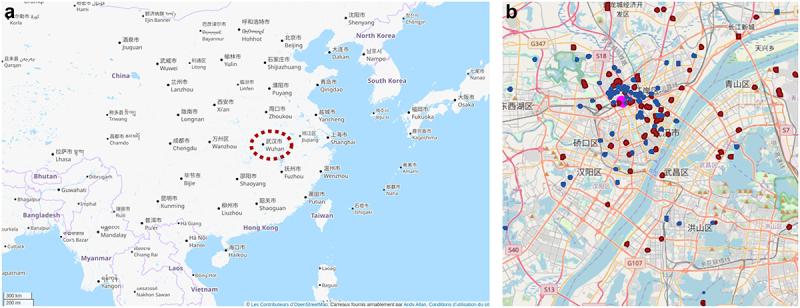
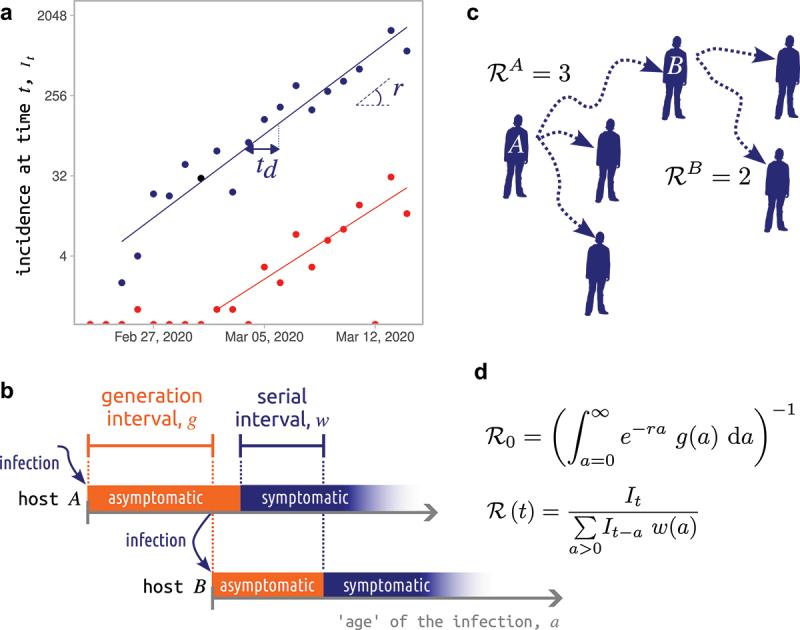
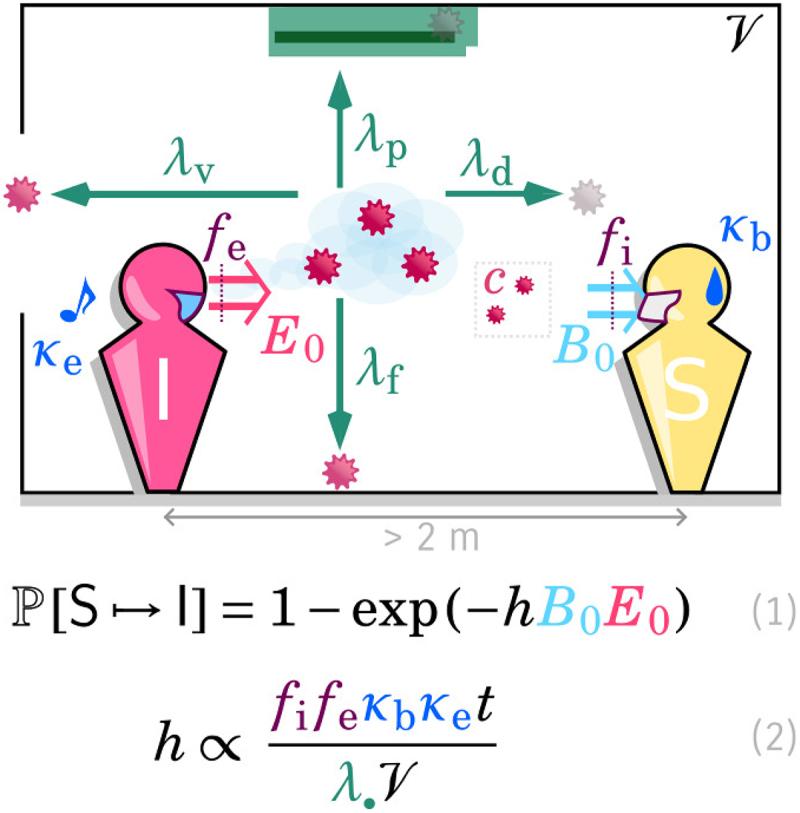
Since winter 2019, SARS-CoV-2 has emerged, spread, and evolved all around the globe. We explore 4 y of evolutionary epidemiology of this virus, ranging from the applied public health challenges to the more conceptual evolutionary biology perspectives. Through this review, we first present the spread and lethality of the infections it causes, starting from its emergence in Wuhan (China) from the initial epidemics all around the world, compare the virus to other betacoronaviruses, focus on its airborne transmission, compare containment strategies ("zero-COVID" . "herd immunity"), explain its phylogeographical tracking, underline the importance of natural selection on the epidemics, mention its within-host population dynamics. Finally, we discuss how the pandemic has transformed (or should transform) the surveillance and prevention of viral respiratory infections and identify perspectives for the research on epidemiology of COVID-19.
自2019年冬季以来,严重急性呼吸综合征冠状病毒2(SARS-CoV-2)在全球出现、传播并进化。我们探讨了该病毒4年的进化流行病学,涵盖从应用公共卫生挑战到更具概念性的进化生物学观点。通过本综述,我们首先介绍它所引起感染的传播情况和致死率,从其在中国武汉出现到在世界各地引发的最初疫情,将该病毒与其他β冠状病毒进行比较,重点关注其空气传播,比较防控策略(“动态清零”与“群体免疫”),解释其系统地理学追踪情况,强调自然选择对疫情的重要性,提及病毒在宿主体内的群体动态。最后,我们讨论这场大流行如何改变(或应该如何改变)病毒性呼吸道感染的监测和预防,并确定COVID-19流行病学研究的方向。




 Zotero 插件