
木犀草素:一种具有多种抗动脉粥样硬化机制的天然产物。
Luteolin: a natural product with multiple mechanisms for atherosclerosis.
作者信息
Wan Chanjun, Liang Qingzhi, Ma Yirong, Wang Yang, Sun Liqiang, Lai Junyu, Wu Jianguang, Chen Zhengtao
机构信息
Affiliated Hospital of Jiangxi University of Chinese Medicine, Nanchang, Jiangxi, China.
Jiangxi Province Key Laboratory of Cardiovascular Diseases of Chinese Medicine, Nanchang, Jiangxi, China.
出版信息
Front Pharmacol. 2025 Mar 27;16:1503832. doi: 10.3389/fphar.2025.1503832. eCollection 2025.
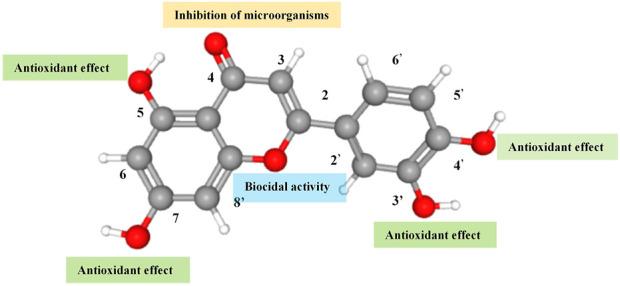
Atherosclerosis (AS) is a degenerative and proliferative disease characterised by the deposition of lipid and/or fibrous substances within the intima of arteries. The pathological mechanisms of AS involve endothelial cell (EC) injury and dysfunction, vascular smooth muscle cell (VSMC) migration and proliferation, foam cell formation, inflammatory cell recruitment, and abnormal platelet activation and aggregation. In recent years, the incidence and mortality rates of atherosclerotic cardiovascular disease (ASCVD), which has AS as its pathological basis, have shown an upward trend globally. Currently, available therapeutic agents (such as statins, PCSK9 inhibitors, and antiplatelet drugs) can, to some extent, delay the progression of AS; however, many of these drugs have adverse effects or are not suitable for long-term use, potentially causing severe negative impacts on patients' lives and work. Therefore, the development of safe and effective therapeutic drugs holds immense social and economic significance. In recent years, natural compounds derived from plants have gradually emerged as a source of new drugs for treating AS. Luteolin (3',4',5,7-tetrahydroxyflavone) is a common plant-derived flavonoid widely found in various vegetables and fruits, including celery, parsley, broccoli, onion leaves, carrots, peppers, cabbage, apples, and chrysanthemums. Numerous preclinical studies have revealed that luteolin exhibits significant anti-AS effects. This article comprehensively reviews the effects of Lu on vascular cells (endothelial cells, vascular smooth muscle cells, macrophages, neutrophils) under experimental AS conditions and its regulatory effects on common AS risk factors (hypertension, hyperglycemia, dyslipidemia), providing a strong evidential basis for the clinical application and mechanistic research of luteolin.
动脉粥样硬化(AS)是一种退行性和增殖性疾病,其特征是脂质和/或纤维物质沉积在动脉内膜内。AS的病理机制包括内皮细胞(EC)损伤和功能障碍、血管平滑肌细胞(VSMC)迁移和增殖、泡沫细胞形成、炎症细胞募集以及血小板异常激活和聚集。近年来,以AS为病理基础的动脉粥样硬化性心血管疾病(ASCVD)的发病率和死亡率在全球范围内呈上升趋势。目前,现有的治疗药物(如他汀类药物、前蛋白转化酶枯草溶菌素9[PCSK9]抑制剂和抗血小板药物)在一定程度上可以延缓AS的进展;然而,这些药物中的许多都有不良反应或不适合长期使用,可能对患者的生活和工作造成严重负面影响。因此,开发安全有效的治疗药物具有巨大的社会和经济意义。近年来,源自植物的天然化合物逐渐成为治疗AS的新药来源。木犀草素(3',4',5,7-四羟基黄酮)是一种常见的植物源黄酮类化合物,广泛存在于各种蔬菜和水果中,包括芹菜、欧芹、西兰花、洋葱叶、胡萝卜、辣椒、卷心菜、苹果和菊花。大量临床前研究表明,木犀草素具有显著的抗AS作用。本文全面综述了在实验性AS条件下木犀草素对血管细胞(内皮细胞、血管平滑肌细胞、巨噬细胞、中性粒细胞)的影响及其对常见AS危险因素(高血压、高血糖、血脂异常)的调节作用,为木犀草素的临床应用和机制研究提供了有力的证据基础。


 Zotero 插件