
1型糖尿病的多学科治疗方法:技术、免疫疗法与个性化医疗的交叉融合
A Multidisciplinary Approach of Type 1 Diabetes: The Intersection of Technology, Immunotherapy, and Personalized Medicine.
作者信息
Batir-Marin Denisa, Ștefan Claudia Simona, Boev Monica, Gurău Gabriela, Popa Gabriel Valeriu, Matei Mădălina Nicoleta, Ursu Maria, Nechita Aurel, Maftei Nicoleta-Maricica
机构信息
Department of Pharmaceutical Sciences, Faculty of Medicine and Pharmacy, "Dunărea de Jos" University, 800008 Galati, Romania.
Research Centre in the Medical-Pharmaceutical Field, Faculty of Medicine and Pharmacy, "Dunărea de Jos" University, 800008 Galati, Romania.
出版信息
J Clin Med. 2025 Mar 21;14(7):2144. doi: 10.3390/jcm14072144.
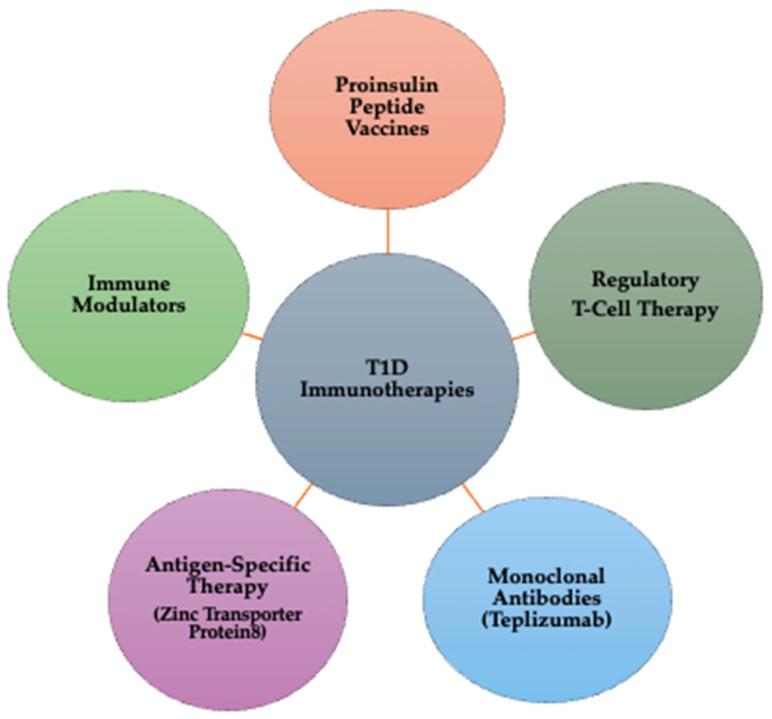
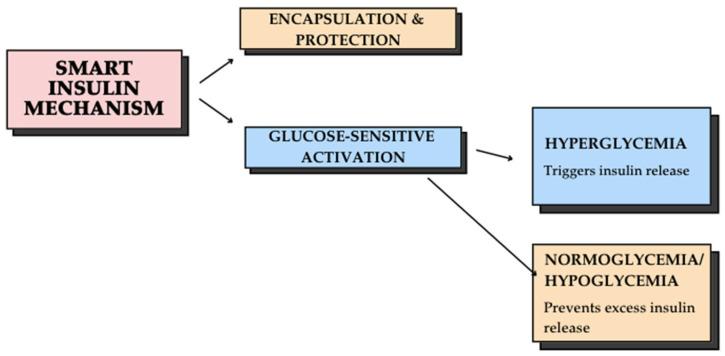
Type 1 diabetes (T1D) is a chronic autoimmune disorder characterized by the destruction of pancreatic β-cells, leading to absolute insulin deficiency. Despite advancements in insulin therapy and glucose monitoring, achieving optimal glycemic control remains a challenge. Emerging technologies and novel therapeutic strategies are transforming the landscape of T1D management, offering new opportunities for improved outcomes. This review synthesizes recent advancements in T1D treatment, focusing on innovations in continuous glucose monitoring (CGM), automated insulin delivery systems, smart insulin formulations, telemedicine, and artificial intelligence (AI). Additionally, we explore biomedical approaches such as stem cell therapy, gene editing, immunotherapy, gut microbiota modulation, nanomedicine-based interventions, and trace element-based therapies. Advances in digital health, including CGM integration with hybrid closed-loop insulin pumps and AI-driven predictive analytics, have significantly improved real-time glucose management. AI and telemedicine have enhanced personalized diabetes care and patient engagement. Furthermore, regenerative medicine strategies, including β-cell replacement, CRISPR-based gene editing, and immunomodulatory therapies, hold potential for disease modification. Probiotics and microbiome-targeted therapies have demonstrated promising effects in maintaining metabolic homeostasis, while nanomedicine-based trace elements provide additional strategies to regulate insulin sensitivity and oxidative stress. The future of T1D management is shifting toward precision medicine and integrated technological solutions. While these advancements present promising therapeutic avenues, challenges such as long-term efficacy, safety, accessibility, and clinical validation must be addressed. A multidisciplinary approach, combining biomedical research, artificial intelligence, and nanotechnology, will be essential to translate these innovations into clinical practice, ultimately improving the quality of life for individuals with T1D.
1型糖尿病(T1D)是一种慢性自身免疫性疾病,其特征是胰腺β细胞被破坏,导致绝对胰岛素缺乏。尽管胰岛素治疗和血糖监测取得了进展,但实现最佳血糖控制仍然是一项挑战。新兴技术和新型治疗策略正在改变T1D管理的格局,为改善治疗效果提供了新机会。本综述综合了T1D治疗的最新进展,重点关注连续血糖监测(CGM)、自动胰岛素输送系统、智能胰岛素制剂、远程医疗和人工智能(AI)方面的创新。此外,我们还探讨了生物医学方法,如干细胞治疗、基因编辑、免疫治疗、肠道微生物群调节、基于纳米医学的干预措施和基于微量元素的疗法。数字健康方面的进展,包括CGM与混合闭环胰岛素泵的整合以及AI驱动的预测分析,显著改善了实时血糖管理。AI和远程医疗增强了个性化糖尿病护理和患者参与度。此外,再生医学策略,包括β细胞替代、基于CRISPR的基因编辑和免疫调节疗法,具有改变疾病的潜力。益生菌和针对微生物群的疗法在维持代谢稳态方面已显示出有前景的效果,而基于纳米医学的微量元素提供了调节胰岛素敏感性和氧化应激的额外策略。T1D管理的未来正朝着精准医学和综合技术解决方案转变。虽然这些进展提供了有前景的治疗途径,但必须解决长期疗效、安全性、可及性和临床验证等挑战。将生物医学研究、人工智能和纳米技术相结合的多学科方法对于将这些创新转化为临床实践至关重要,最终改善T1D患者的生活质量。

 Zotero 插件