
高温高湿环境下带电作业人员的热生理学与认知表现
Thermophysiology and Cognitive Performance of Live-Line Workers in High-Temperature and High-Humidity Environments.
作者信息
Wang Shengwei, Gui Xiaohong, Ding Li
机构信息
School of Emergency Management & Safety Engineering, China University of Mining and Technology (Beijing), Beijing 100083, China.
School of Biological Science and Medical Engineering, Beihang University, Beijing 100191, China.
出版信息
Int J Environ Res Public Health. 2025 Mar 7;22(3):387. doi: 10.3390/ijerph22030387.
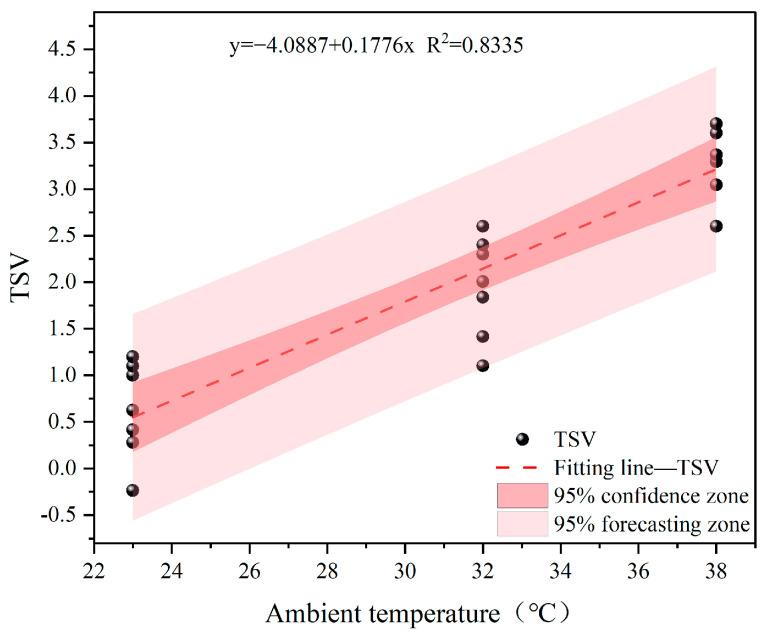
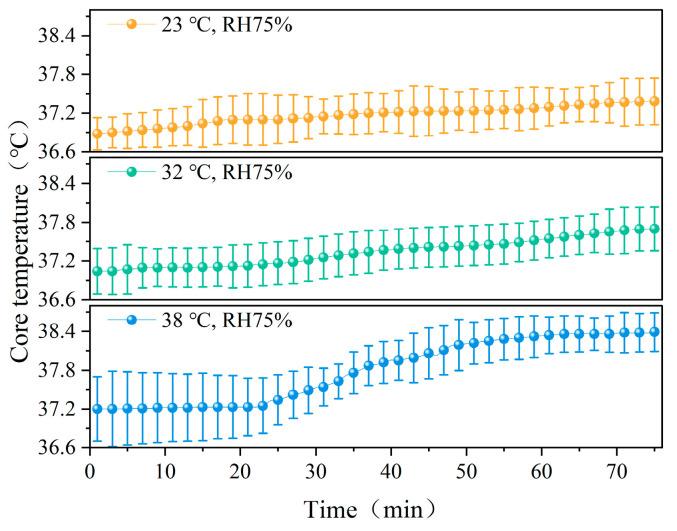
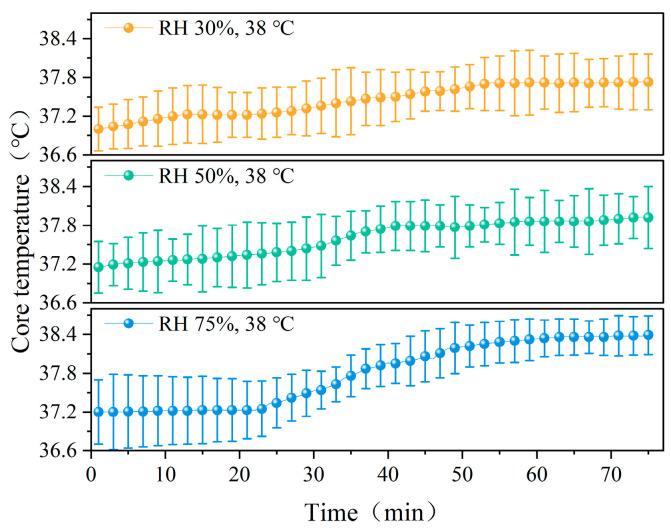
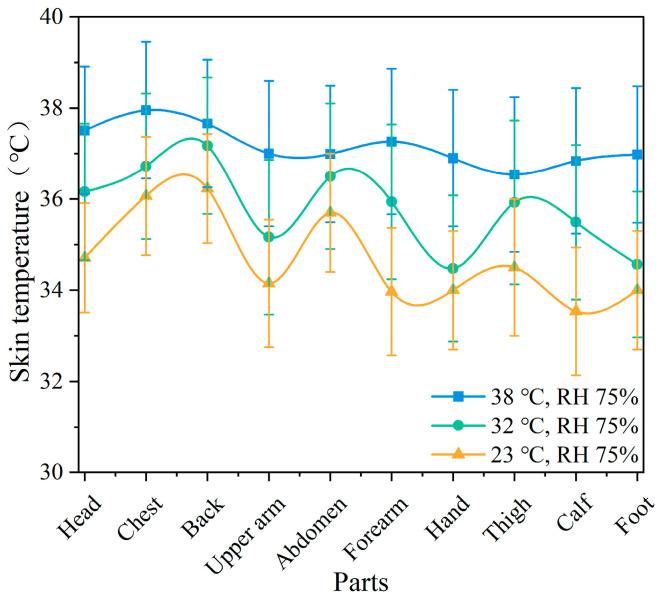
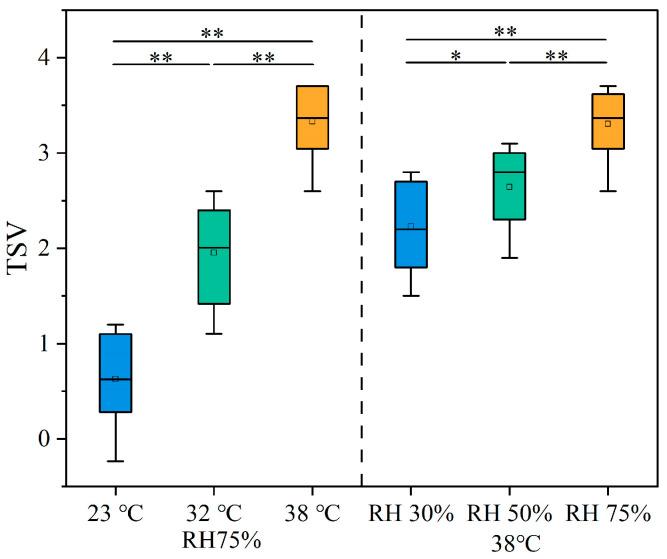
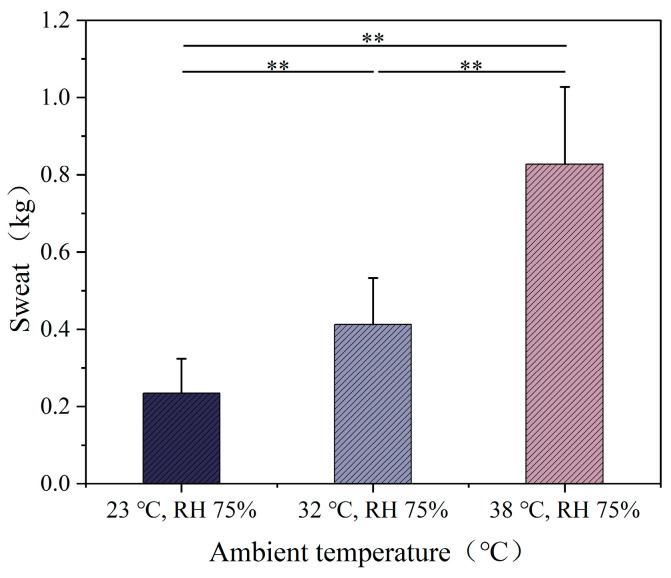
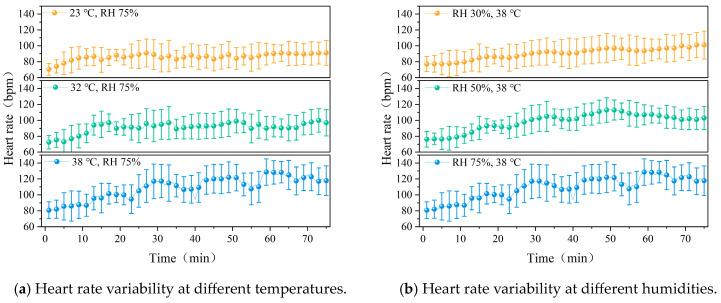
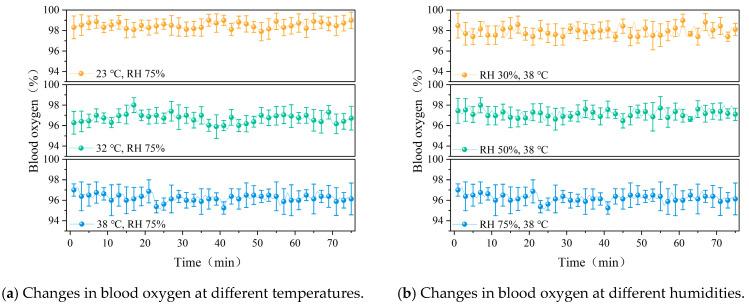
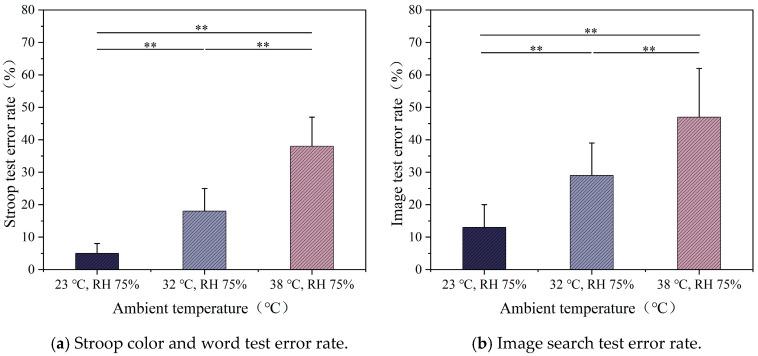
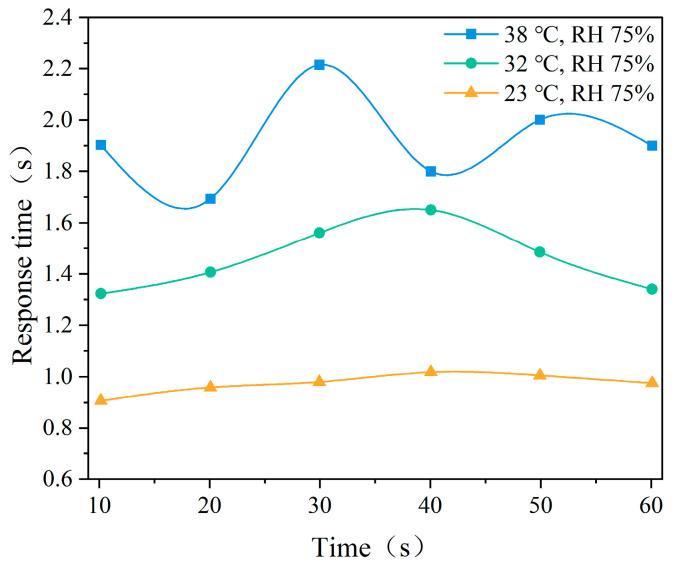
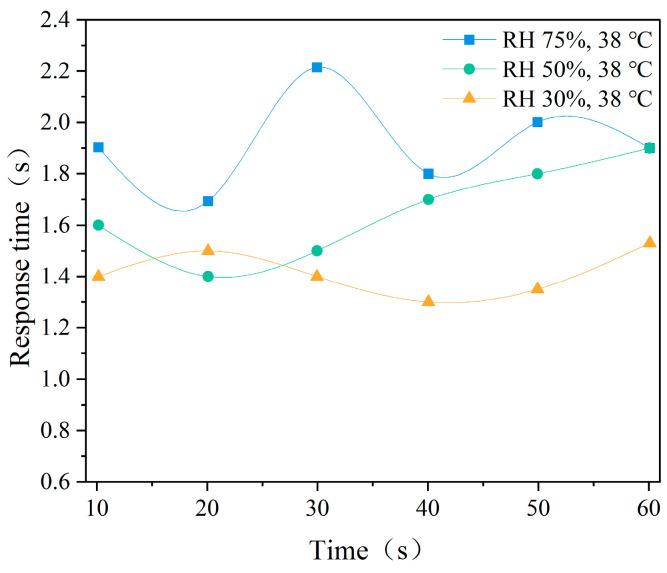
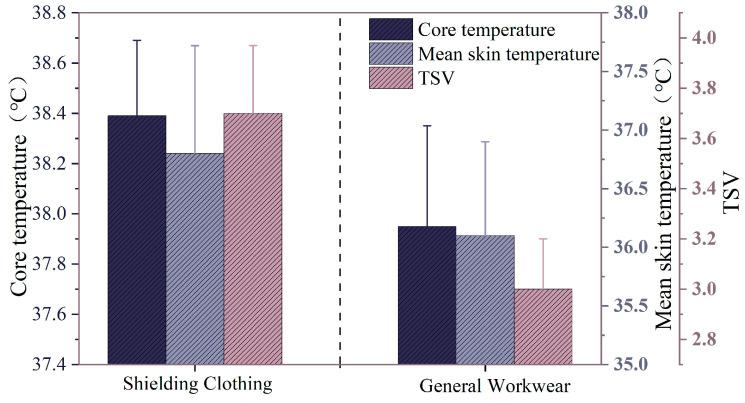
Live-line workers' physiological and psychological conditions are significantly affected when operating in high-temperature and high-humidity environments, influencing both work efficiency and safety. Fifteen participants, wearing high-voltage-shielding clothing, were tested in a simulated environmental chamber at temperatures of 23 °C, 32 °C, and 38 °C, and relative humidities of RH 30%, RH 50%, and RH 75%. The experiment involved walking at a speed of 5 km/h for 75 min., during which the participants' skin temperature, core temperature, thermal sensation, heart rate, blood oxygen level, sweat rate, and cognitive performance were measured. The results indicated a marked increase in both core and skin temperatures with rising temperature and humidity levels. At 38 °C/RH 75%, the core temperature reached 38.39 °C, and the average skin temperature was 36.8 °C. Significant differences in skin temperature were observed across different body regions ( < 0.05), with this disparity decreasing as the temperature increased. Heart rate, blood oxygen level, and sweat rate also exhibited significant differences across varying conditions ( < 0.05). Specifically, heart rate and blood oxygen level increased with higher temperature and humidity, while blood oxygen levels decreased as the environmental temperature and humidity increased. In addition, as temperature and humidity levels rose, the participants' error rate and average response time in cognitive tasks increased. The negative impact of temperature and humidity on performance efficiency and accuracy was more pronounced in complex cognitive tasks. The study further found that thermal sensation voting (TSV) remained within the range of -0.5 to +0.5, with the average skin temperature in the thermal comfort zone ranging between 33.4 °C and 34.1 °C. It is recommended that the environmental temperature in high-humidity conditions be maintained between 20.8 °C and 25.8 °C. Our findings provide a theoretical foundation for the development of personal protective equipment for live-line workers.
带电作业人员在高温高湿环境中作业时,其生理和心理状况会受到显著影响,进而影响工作效率和安全。15名身着高压屏蔽服的参与者在模拟环境舱中进行测试,环境温度分别为23℃、32℃和38℃,相对湿度分别为30%RH、50%RH和75%RH。实验要求参与者以5公里/小时的速度行走75分钟,在此期间测量参与者的皮肤温度、核心温度、热感觉、心率、血氧水平、出汗率和认知表现。结果表明,随着温度和湿度水平的升高,核心温度和皮肤温度均显著升高。在38℃/75%RH时,核心温度达到38.39℃,平均皮肤温度为36.8℃。不同身体部位的皮肤温度存在显著差异(<0.05),且这种差异随着温度升高而减小。心率、血氧水平和出汗率在不同条件下也表现出显著差异(<0.05)。具体而言,心率和血氧水平随温度和湿度升高而增加,而血氧水平随环境温度和湿度升高而降低。此外,随着温度和湿度水平的升高,参与者在认知任务中的错误率和平均反应时间增加。温度和湿度对性能效率和准确性的负面影响在复杂认知任务中更为明显。研究还发现,热感觉投票(TSV)保持在-0.5至+0.5的范围内,热舒适区的平均皮肤温度在33.4℃至34.1℃之间。建议在高湿条件下将环境温度保持在20.8℃至25.8℃之间。我们的研究结果为开发带电作业人员个人防护装备提供了理论基础。






 Zotero 插件