
解码睡眠相关基因在慢性疾病发病机制中作为分子桥梁的多方面作用。
Decoding Multifaceted Roles of Sleep-Related Genes as Molecular Bridges in Chronic Disease Pathogenesis.
作者信息
Wang Wenyuan, Zhao Linjie, He Zhiheng, Zhao Yang, Jiang Guijie, Gong Chengjun, Zhang Yan, Yu Jiafeng, Liang Tingming, Guo Li
机构信息
State Key Laboratory of Flexible Electronics (LoFE) & Institute of Advanced Materials (IAM), School of Chemistry and Life Sciences, Nanjing University of Posts & Telecommunications, Nanjing 210023, China.
School of Life Science, Nanjing Normal University, Nanjing 210023, China.
出版信息
Int J Mol Sci. 2025 Mar 21;26(7):2872. doi: 10.3390/ijms26072872.
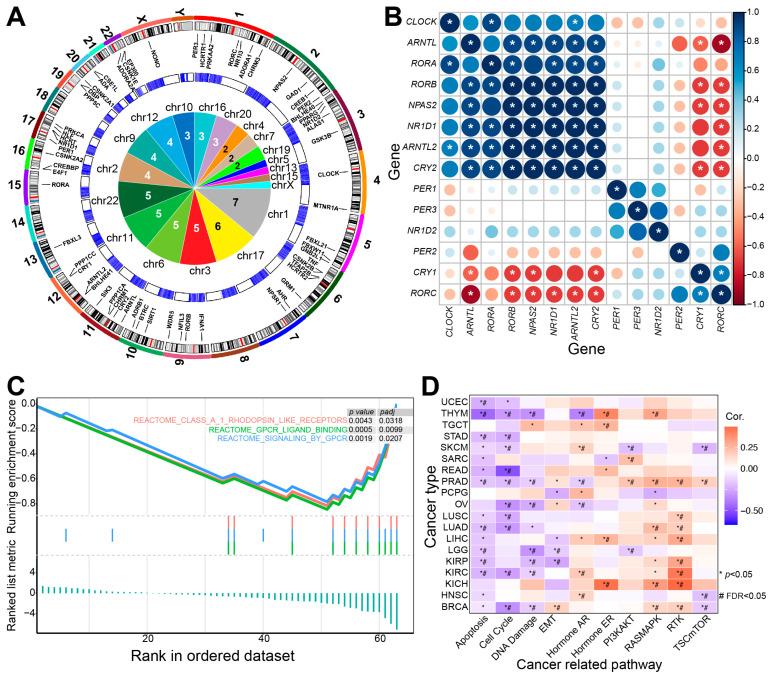
Sleep is a fundamental process essential for all organisms. Sleep deprivation can lead to significant detrimental effects, contributing to various physiological disorders and elevating the risk of several diseases. Investigating the relationship between sleep and human diseases offers valuable insights into the molecular mechanisms governing sleep regulation, potentially guiding the development of more effective treatments for sleep disorders and associated diseases. This study explored the roles of sleep-related genes in biological processes and their associations with chronic diseases, mainly including neurological, metabolic, cardiovascular diseases, and cancer. Additionally, an analysis on the sleep-related genes was also performed to understand the potential role in tumorigenesis. This review aims to enhance the understanding of the link between sleep-related genes and chronic diseases, contributing to the development of novel therapeutic approaches targeting sleep and circadian rhythm-related chronic diseases.
睡眠是所有生物体必不可少的基本过程。睡眠剥夺会导致严重的有害影响,引发各种生理紊乱并增加多种疾病的风险。研究睡眠与人类疾病之间的关系,能为调控睡眠的分子机制提供有价值的见解,有可能为睡眠障碍及相关疾病开发更有效的治疗方法提供指导。本研究探讨了睡眠相关基因在生物过程中的作用及其与慢性疾病的关联,主要包括神经、代谢、心血管疾病和癌症。此外,还对睡眠相关基因进行了分析,以了解其在肿瘤发生中的潜在作用。本综述旨在加深对睡眠相关基因与慢性疾病之间联系的理解,为针对睡眠和昼夜节律相关慢性疾病的新型治疗方法的开发做出贡献。

 Zotero 插件