
基于结构发现具有高生物利用度、共价、广谱冠状病毒M抑制剂并具有强大的体内疗效。
Structure-based discovery of highly bioavailable, covalent, broad-spectrum coronavirus M inhibitors with potent in vivo efficacy.
作者信息
Detomasi Tyler C, Degotte Gilles, Huang Sijie, Suryawanshi Rahul K, Diallo Amy, Lizzadro Luca, Zaptero-Belinchón Francisco J, Taha Taha Y, Li Jiapeng, Richards Alicia L, Hantz Eric R, Alam Zain, Montano Mauricio, McCavitt-Malvido Maria, Gumpena Rajesh, Partridge James R, Correy Galen J, Matsui Yusuke, Charvat Annemarie F, Glenn Isabella S, Rosecrans Julia, Revalde Jezrael L, Anderson Dashiell, Hultquist Judd F, Arkin Michelle R, Neitz R Jeffrey, Swaney Danielle L, Krogan Nevan J, Shoichet Brian K, Verba Kliment A, Ott Melanie, Renslo Adam R, Craik Charles S
机构信息
Department of Pharmaceutical Chemistry, University of California, San Francisco, San Francisco, CA, USA.
Gladstone Institute of Virology, Gladstone Institutes, San Francisco, CA, USA.
出版信息
Sci Adv. 2025 Apr 25;11(17):eadt7836. doi: 10.1126/sciadv.adt7836. Epub 2025 Apr 23.
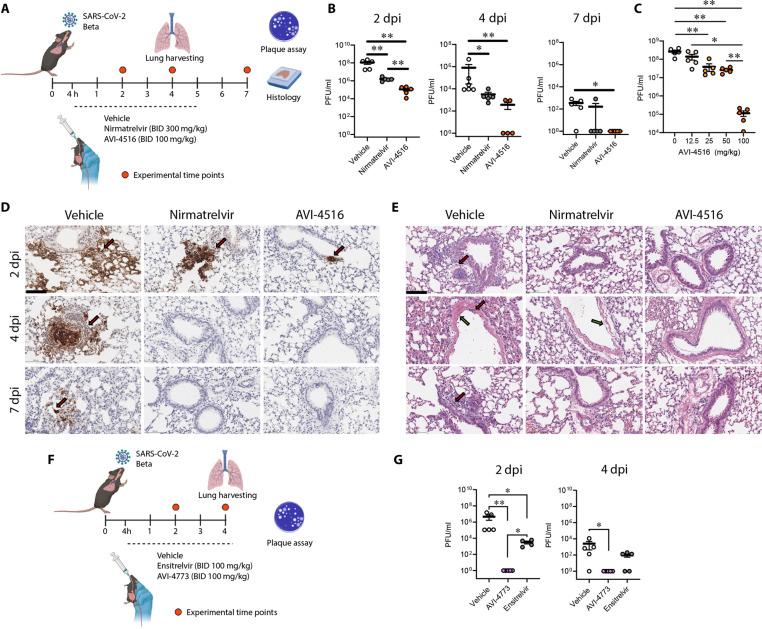
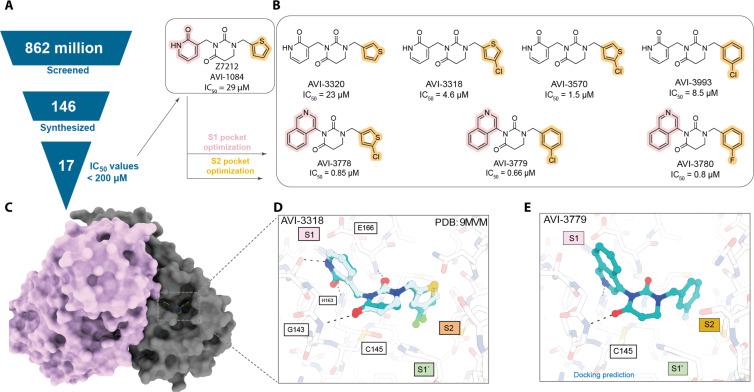
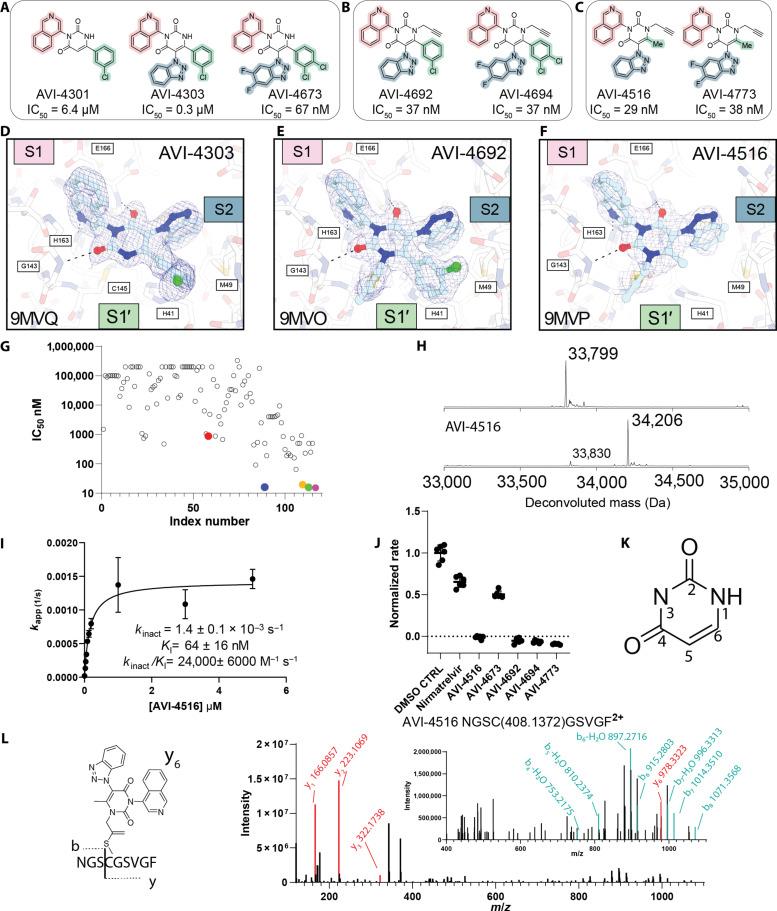
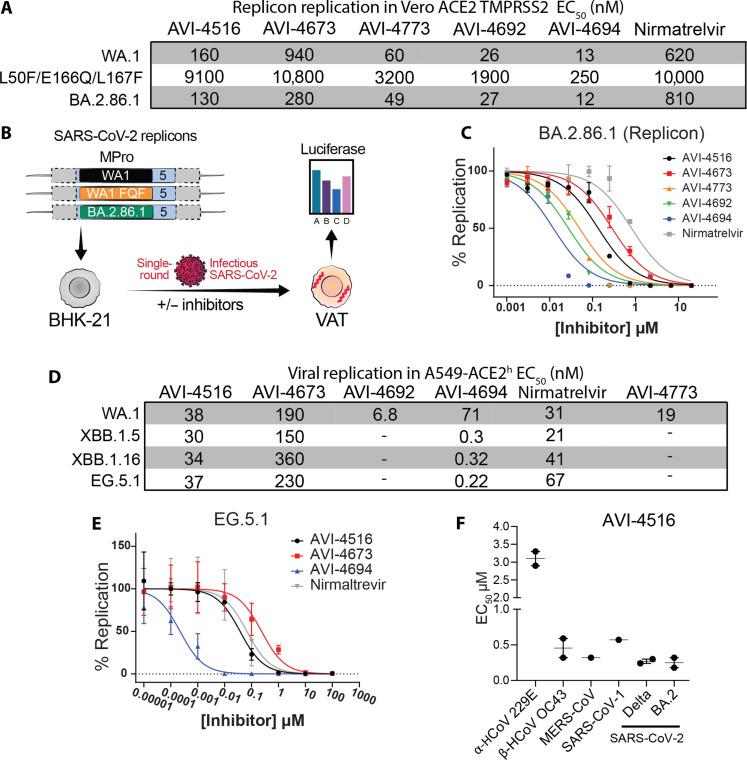
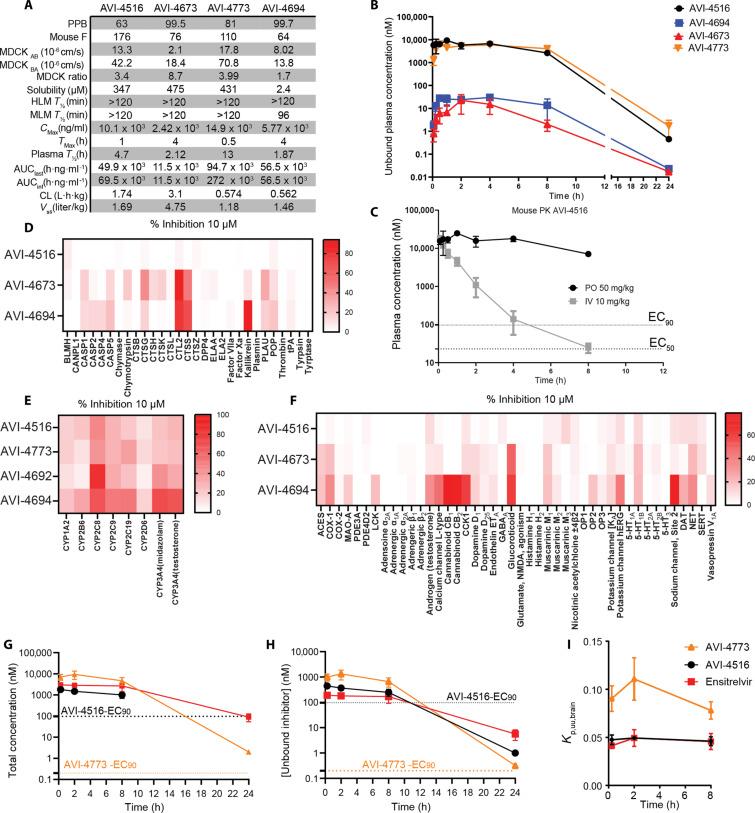
The main protease (M) of severe acute respiratory syndrome coronavirus 2 (SARS-CoV-2) is a validated drug target. Starting with a lead-like dihydrouracil chemotype identified in a large-library docking campaign, we improved M inhibition >1000-fold by engaging additional M subsites and using a latent electrophile to engage Cys. Advanced leads from this series show pan-coronavirus antiviral activity, low clearance in mice, and for , a rapid reduction in viral titers >1,000,000 after just three doses. Both compounds are well distributed in mouse tissues, including brain, where concentrations >1000× the 90% effective concentration are observed 8 hours after oral dosing for . shows minimal inhibition of major cytochrome P450s and human proteases. also exhibits synergy with the RNA-dependent RNA polymerase inhibitor, molnupiravir, in cellular infection models. Related analogs strongly inhibit nirmatrelvir-resistant M mutant virus. The properties of this chemotype are differentiated from existing clinical and preclinical M inhibitors and will advance therapeutic development against emerging SARS-CoV-2 variants and other coronaviruses.
严重急性呼吸综合征冠状病毒2(SARS-CoV-2)的主要蛋白酶(M)是一个经过验证的药物靶点。从在大型文库对接筛选中确定的类先导二氢尿嘧啶化学类型开始,我们通过结合M的其他亚位点并使用潜在亲电试剂与半胱氨酸结合,将M抑制作用提高了1000倍以上。该系列的先进先导化合物显示出泛冠状病毒抗病毒活性,在小鼠体内清除率低,对于[具体化合物1],仅给药三剂后病毒滴度就迅速降低了100万倍以上。这两种化合物在小鼠组织中分布良好,包括大脑,口服给药[具体化合物1]8小时后,大脑中的浓度超过90%有效浓度的1000倍。[具体化合物2]对主要细胞色素P450和人类蛋白酶的抑制作用最小。在细胞感染模型中,[具体化合物2]还与RNA依赖性RNA聚合酶抑制剂莫努匹韦表现出协同作用。相关类似物强烈抑制对奈玛特韦耐药的M突变病毒。这种化学类型的特性与现有的临床和临床前M抑制剂不同,将推动针对新出现的SARS-CoV-2变体和其他冠状病毒的治疗开发。
 Zotero 插件