
谷氨酰胺的双刃剑:为肿瘤生长提供养分并带来治疗希望。
Glutamine's double-edged sword: fueling tumor growth and offering therapeutic hope.
作者信息
Fang Liguang, Gao Dandan, Jiang Zuomin, Li Guoliang, Li Ming
机构信息
College of Traditional Chinese Medicine, Shandong University of Traditional Chinese Medicine, Jinan, Shandong, China.
The First Clinical Medical College, Shandong University of Traditional Chinese Medicine, Jinan, Shandong, China.
出版信息
Front Immunol. 2025 Apr 10;16:1578940. doi: 10.3389/fimmu.2025.1578940. eCollection 2025.
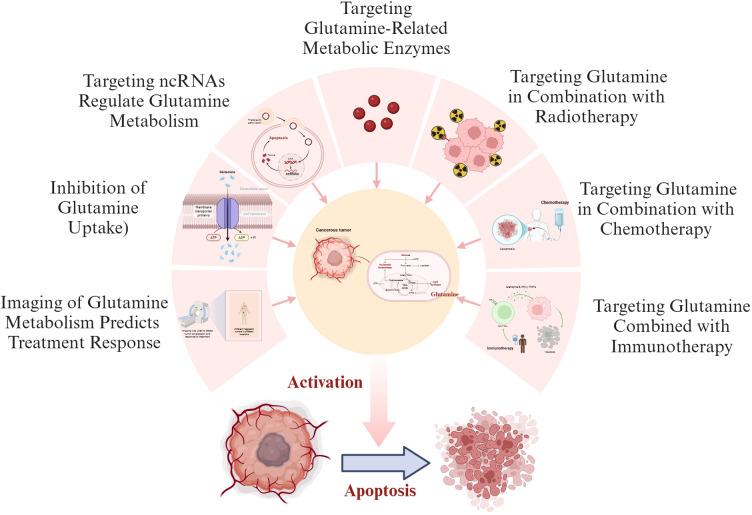
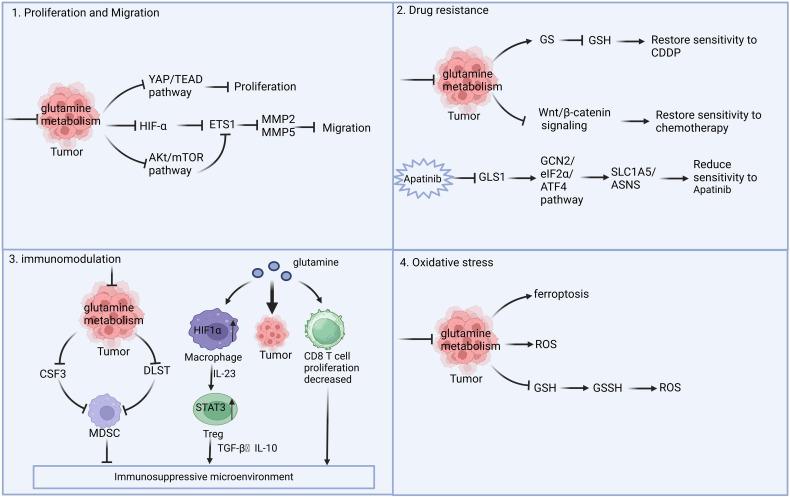
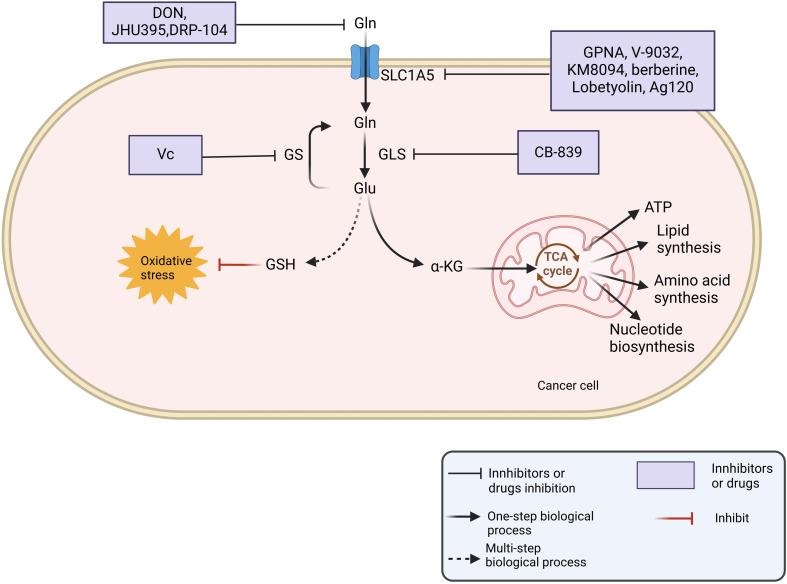
Tumor metabolic reprogramming is a highly complex process that enables tumor survival in the presence of limited nutrients, involving multiple signaling pathways, non-coding RNAs (ncRNAs), and transcription factors. Lately, glutamine has been found to enhance the growth, spread, and drug resistance of cancer cells, while also fostering an immunosuppressive microenvironment that aids tumor development. However, in some tumors, such as pancreatic cancer and melanoma, additional glutamine can inhibit the proliferation of tumor cells, and this mechanism is closely related to the regulation of the immune microenvironment. Therefore, further exploration of glutamine metabolism in tumors is essential for understanding the pathogenesis of cancer and for developing new metabolically targeted therapies. We systematically review the latest research on the reprogramming of glutamine metabolism and its role of tumor growth, spread, and immune system regulation. Additionally, we review the clinical research progress on targeted glutamine therapies and their application in combination with current anti-tumor treatments. Ultimately, we address the challenges and prospects involved in resistance to anti-cancer strategies aimed at glutamine metabolism.
肿瘤代谢重编程是一个高度复杂的过程,它能使肿瘤在营养有限的情况下存活,涉及多种信号通路、非编码RNA(ncRNA)和转录因子。最近发现,谷氨酰胺可增强癌细胞的生长、扩散和耐药性,同时还能促进有助于肿瘤发展的免疫抑制微环境。然而,在某些肿瘤中,如胰腺癌和黑色素瘤,额外的谷氨酰胺会抑制肿瘤细胞的增殖,且这一机制与免疫微环境的调节密切相关。因此,进一步探索肿瘤中的谷氨酰胺代谢对于理解癌症发病机制和开发新的代谢靶向治疗至关重要。我们系统地综述了谷氨酰胺代谢重编程及其在肿瘤生长、扩散和免疫系统调节方面作用的最新研究。此外,我们还综述了谷氨酰胺靶向治疗的临床研究进展及其与当前抗肿瘤治疗联合应用的情况。最终,我们探讨了针对谷氨酰胺代谢的抗癌策略耐药性所涉及的挑战和前景。
 Zotero 插件