
一种从肾活检组织中培养极化近端肾小管上皮细胞的新方案:增强药物排泄和肾毒性研究的平台
A Novel Protocol for Culturing Polarized Proximal Tubular Epithelial Cells from Kidney Biopsies: Enhancing Platforms for Drug Excretion and Nephrotoxicity Studies.
作者信息
Petreski Tadej, Gradišnik Lidija, Varda Luka, Kovačič Polona, Dolenšek Jurij, Stožer Andraž, Bevc Sebastjan, Maver Uroš
机构信息
Department of Nephrology, University Medical Centre Maribor, Ljubljanska ulica 5, 2000 Maribor, Slovenia.
Institute of Biomedical Sciences, Faculty of Medicine, University of Maribor, Taborska ulica 8, 2000 Maribor, Slovenia.
出版信息
J Xenobiot. 2025 Apr 1;15(2):52. doi: 10.3390/jox15020052.
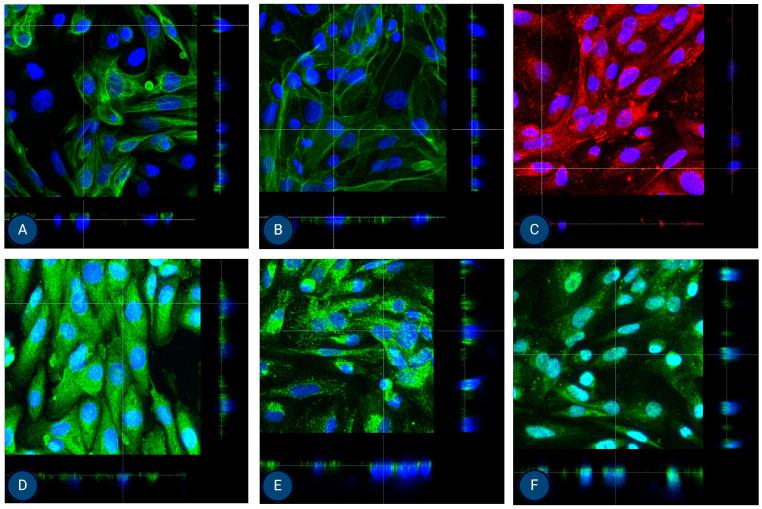
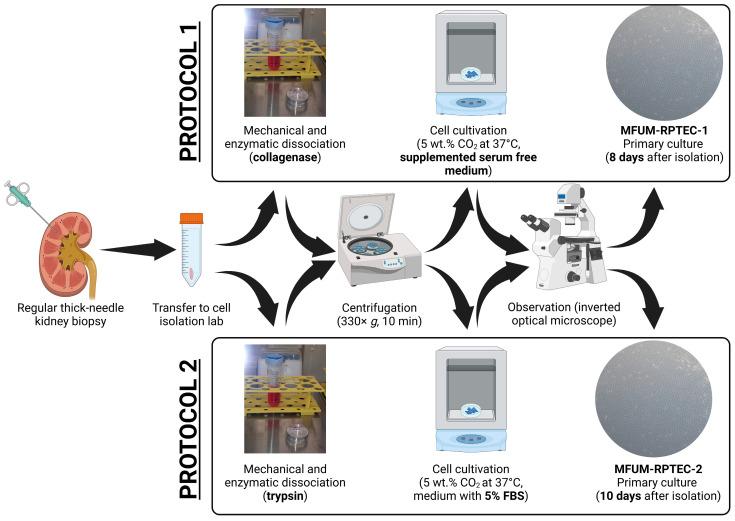
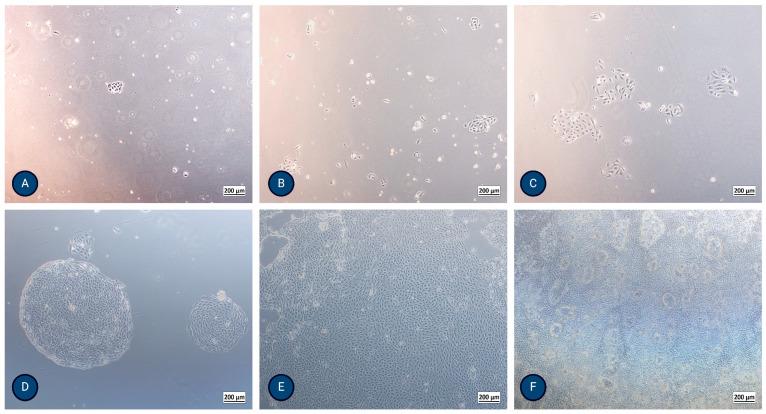
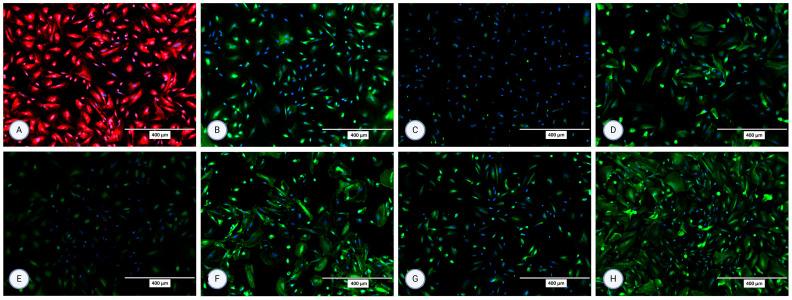
The kidneys are integral to homeostasis but are susceptible to nephrotoxic compounds. Proximal tubular epithelial cells (PTECs) mediate drug metabolism and transport and are widely used in preclinical studies. However, commercial PTECs are limited in availability and physiological relevance. This study aimed to develop a novel, reliable protocol for isolating and culturing PTECs from human kidney biopsies. Primary PTECs were isolated from kidney biopsies of two patients (MFUM-RPTEC-1 and MFUM-RPTEC-2). Their morphology, population doubling time, transepithelial electrical resistance (TEER), and phenotypic markers were evaluated. Polarization and transporter expression were analyzed using cells cultured on Transwell inserts. Colonies formed within 24-48 h, with confluence reached by 8-10 days and dome (hemicyst) formation by day 13. TEER values peaked at 190 Ω/cm after 7-14 days, confirming tight junction formation. Immunostaining identified characteristic markers (e.g., SGLT2, OAT1/3, OCT2, P-gp, MRP4, MATE1, N-cadherin, ZO-1, CK-18). Cells cultured on Transwell plates exhibited native polarization, expressing transporters crucial for drug excretion on apical and basolateral surfaces. We present two robust protocols for isolating and characterizing PTECs, offering a scalable method to obtain functional, polarized cells from scarce biopsy material. The isolated PTECs, therefore, present a valuable platform for preclinical studies, especially for drug excretion testing through the expressed transporters. Drug competition for these transporters during tubular secretion is also a common cause of nephrotoxicity.
肾脏对于体内平衡至关重要,但易受肾毒性化合物影响。近端肾小管上皮细胞(PTECs)介导药物代谢和转运,在临床前研究中广泛应用。然而,商业化的PTECs在可用性和生理相关性方面存在局限。本研究旨在开发一种从人肾活检组织中分离和培养PTECs的新型可靠方案。从两名患者(MFUM-RPTEC-1和MFUM-RPTEC-2)的肾活检组织中分离出原代PTECs。评估了它们的形态、群体倍增时间、跨上皮电阻(TEER)和表型标志物。使用接种在Transwell小室上培养的细胞分析极化和转运体表达。24 - 48小时内形成集落,8 - 10天达到汇合,第13天形成圆顶(半囊)。7 - 14天后TEER值达到峰值190 Ω/cm,证实紧密连接形成。免疫染色鉴定出特征性标志物(如SGLT2、OAT1/3、OCT2、P - gp、MRP4、MATE1、N - cadherin、ZO - 1、CK - 18)。接种在Transwell板上培养的细胞呈现天然极化状态,在顶端和基底外侧表面表达对药物排泄至关重要的转运体。我们提出了两种分离和鉴定PTECs的可靠方案,提供了一种可扩展的方法,从稀缺的活检材料中获得功能性极化细胞。因此,分离出的PTECs为临床前研究提供了一个有价值的平台,特别是用于通过表达的转运体进行药物排泄测试。肾小管分泌过程中药物对这些转运体的竞争也是肾毒性的常见原因。


 Zotero 插件