
烹饪方法对晚期糖基化终产物和血脂水平的影响:一项针对健康受试者的随机交叉研究。
Cooking methods affect advanced glycation end products and lipid profiles: A randomized cross-over study in healthy subjects.
作者信息
Wellens Judith, Vissers Eva, Dumoulin Anaïs, Hoekx Sien, Vanderstappen Julie, Verbeke Joke, Vangoitsenhoven Roman, Derrien Muriel, Verstockt Bram, Ferrante Marc, Matthys Christophe, Raes Jeroen, Verbeke Kristin, Vermeire Séverine, Sabino João
机构信息
Department of Chronic Diseases and Metabolism, Translational Research Center for Gastrointestinal Disorders (TARGID), KU Leuven, 3000 Leuven, Belgium; Department of Gastroenterology and Hepatology, University Hospitals Leuven, 3000 Leuven, Belgium.
Department of Chronic Diseases and Metabolism, Translational Research Center for Gastrointestinal Disorders (TARGID), KU Leuven, 3000 Leuven, Belgium.
出版信息
Cell Rep Med. 2025 May 20;6(5):102091. doi: 10.1016/j.xcrm.2025.102091. Epub 2025 Apr 24.
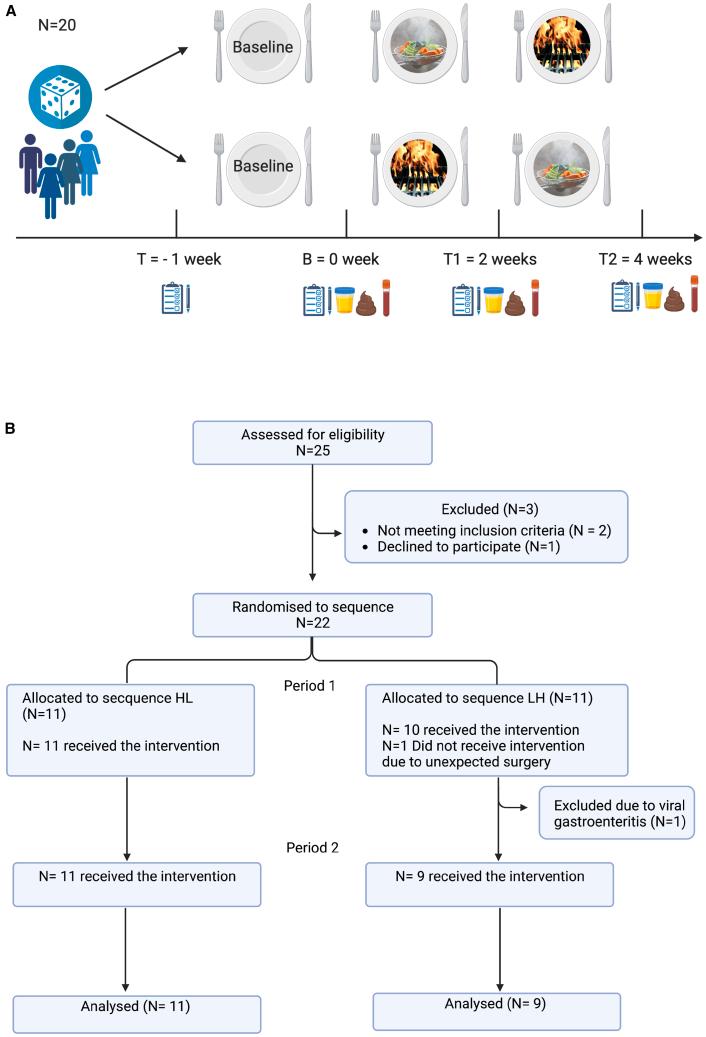
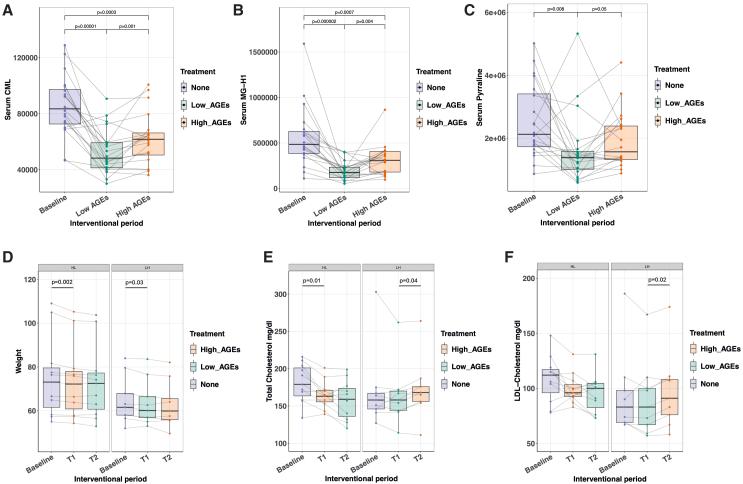
Thermal treatments used in ultra-processed foods (UPFs) lead to advanced glycation end products (AGEs). UPFs and serum AGEs are associated with cardiometabolic disease. We explore differential cooking methods as a mechanistic link between UPFs and detrimental health outcomes through a randomized cross-over cooking method trial in healthy subjects using identical ingredients and a deep profiling analysis. We show that low-AGE-generating cooking methods such as boiling and steaming decrease serum AGEs, improve lipid profiles, and increase serum protein 4E-BP1. In contrast, high-AGE-generating cooking methods such as grilling and baking increase fecal butyrate. In sum, this suggests that low-AGE-generating cooking methods should be considered in cardiovascular risk prevention. Since current dietary guidelines focus on ingredients, but not cooking methods, our results suggest that culinary techniques should be considered as an important factor in cardiometabolic preventive strategies and future dietary trial design. This study was registered at ClinicalTrials.gov (NCT06547190).
超加工食品(UPFs)中使用的热处理会产生晚期糖基化终产物(AGEs)。UPFs和血清AGEs与心脏代谢疾病有关。我们通过一项在健康受试者中使用相同食材的随机交叉烹饪方法试验和深度剖析分析,探索不同的烹饪方法作为UPFs与有害健康结果之间的机制联系。我们发现,诸如煮和蒸等产生低AGEs的烹饪方法可降低血清AGEs、改善血脂谱并增加血清蛋白4E-BP1。相比之下,诸如烤和烘焙等产生高AGEs的烹饪方法会增加粪便丁酸盐。总之,这表明在心血管疾病风险预防中应考虑采用产生低AGEs的烹饪方法。由于当前的饮食指南侧重于食材而非烹饪方法,我们的研究结果表明,烹饪技术应被视为心脏代谢预防策略和未来饮食试验设计中的一个重要因素。本研究已在ClinicalTrials.gov(NCT06547190)注册。


 Zotero 插件