
肠道-脑轴研究的一个新前沿:粪便微生物群在神经退行性疾病中的移植。
A Novel Frontier in Gut-Brain Axis Research: The Transplantation of Fecal Microbiota in Neurodegenerative Disorders.
作者信息
Eslami Majid, Adampour Zarifeh, Fadaee Dowlat Bahram, Yaghmayee Shayan, Motallebi Tabaei Faezeh, Oksenych Valentyn, Naderian Ramtin
机构信息
Cancer Research Center, Semnan University of Medical Sciences, Semnan 35147-99442, Iran.
Department of Bacteriology and Virology, Faculty of Medicine, Semnan University of Medical Sciences, Semnan 35147-99442, Iran.
出版信息
Biomedicines. 2025 Apr 9;13(4):915. doi: 10.3390/biomedicines13040915.
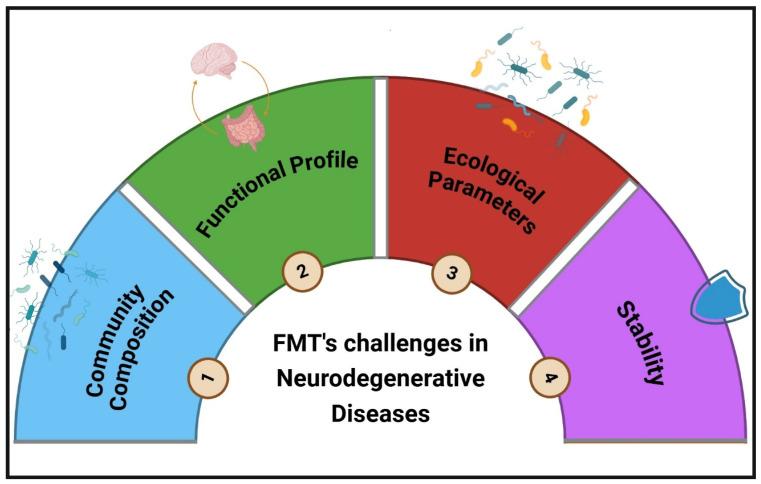
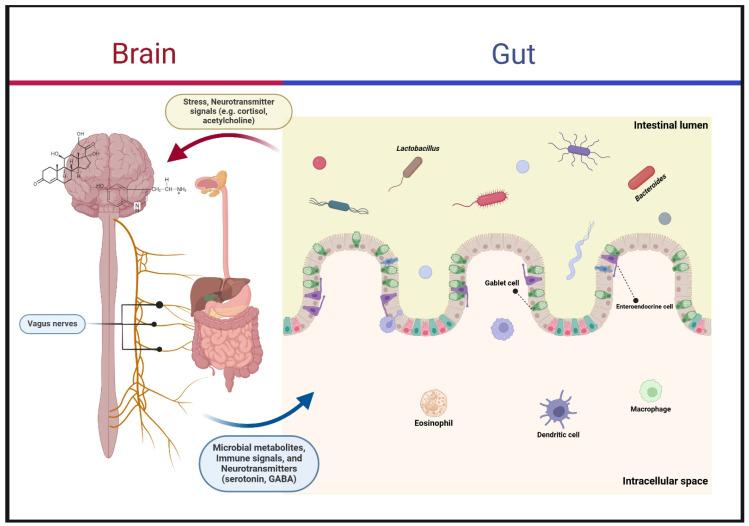
The gut-brain axis (GBA) represents a sophisticated bidirectional communication system connecting the central nervous system (CNS) and the gastrointestinal (GI) tract. This interplay occurs primarily through neuronal, immune, and metabolic pathways. Dysbiosis in gut microbiota has been associated with multiple neurodegenerative diseases, such as Parkinson's disease (PD), Alzheimer's disease (AD), multiple sclerosis (MS), and amyotrophic lateral sclerosis (ALS). In recent years, fecal microbiota transplantation (FMT) has gained attention as an innovative therapeutic approach, aiming to restore microbial balance in the gut while influencing neuroinflammatory and neurodegenerative pathways. This review explores the mechanisms by which FMT impacts the gut-brain axis. Key areas of focus include its ability to reduce neuroinflammation, strengthen gut barrier integrity, regulate neurotransmitter production, and reinstate microbial diversity. Both preclinical and clinical studies indicate that FMT can alleviate motor and cognitive deficits in PD and AD, lower neuroinflammatory markers in MS, and enhance respiratory and neuromuscular functions in ALS. Despite these findings, several challenges remain, including donor selection complexities, uncertainties about long-term safety, and inconsistencies in clinical outcomes. Innovations such as synthetic microbial communities, engineered probiotics, and AI-driven analysis of the microbiome hold the potential to improve the precision and effectiveness of FMT in managing neurodegenerative conditions. Although FMT presents considerable promise as a therapeutic development, its widespread application for neurodegenerative diseases requires thorough validation through well-designed, large-scale clinical trials. It is essential to establish standardized protocols, refine donor selection processes, and deepen our understanding of the molecular mechanisms behind its efficacy.
肠-脑轴(GBA)是一个复杂的双向通信系统,连接中枢神经系统(CNS)和胃肠道(GI)。这种相互作用主要通过神经、免疫和代谢途径发生。肠道微生物群的失调与多种神经退行性疾病有关,如帕金森病(PD)、阿尔茨海默病(AD)、多发性硬化症(MS)和肌萎缩侧索硬化症(ALS)。近年来,粪便微生物群移植(FMT)作为一种创新的治疗方法受到关注,旨在恢复肠道微生物平衡,同时影响神经炎症和神经退行性途径。这篇综述探讨了FMT影响肠-脑轴的机制。重点关注的关键领域包括其减少神经炎症、加强肠道屏障完整性、调节神经递质产生和恢复微生物多样性的能力。临床前和临床研究均表明,FMT可以缓解PD和AD中的运动和认知缺陷,降低MS中的神经炎症标志物,并增强ALS中的呼吸和神经肌肉功能。尽管有这些发现,但仍存在一些挑战,包括供体选择的复杂性、长期安全性的不确定性以及临床结果的不一致性。合成微生物群落、工程益生菌和人工智能驱动的微生物组分析等创新方法有可能提高FMT在治疗神经退行性疾病方面的精准度和有效性。尽管FMT作为一种治疗方法具有很大的前景,但其在神经退行性疾病中的广泛应用需要通过精心设计的大规模临床试验进行全面验证。建立标准化方案、完善供体选择流程以及加深我们对其疗效背后分子机制的理解至关重要。

 Zotero 插件