
用于神经退行性疾病的寡核苷酸疗法。
Oligonucleotide therapeutics for neurodegenerative diseases.
作者信息
Li Victor, Huang Yunlong
机构信息
University High School, Irvine, CA, USA.
Ting Therapeutics, Inc., San Diego, CA, USA.
出版信息
NeuroImmune Pharm Ther. 2024 Nov 18;4(1):1-11. doi: 10.1515/nipt-2024-0013. eCollection 2025 Mar.
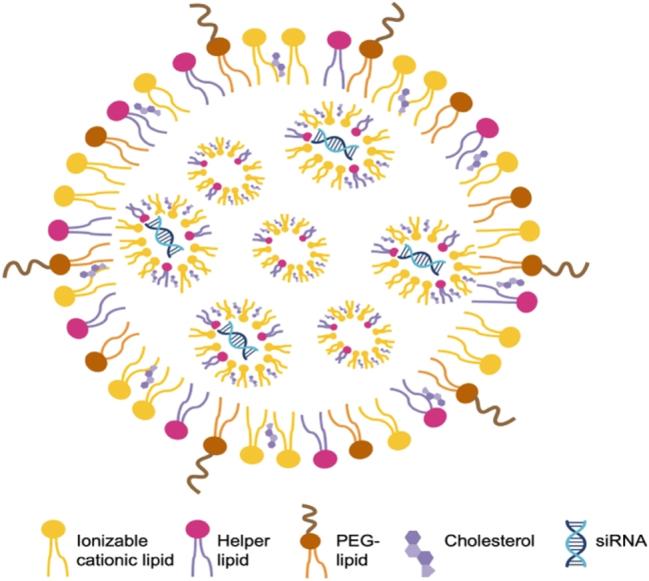
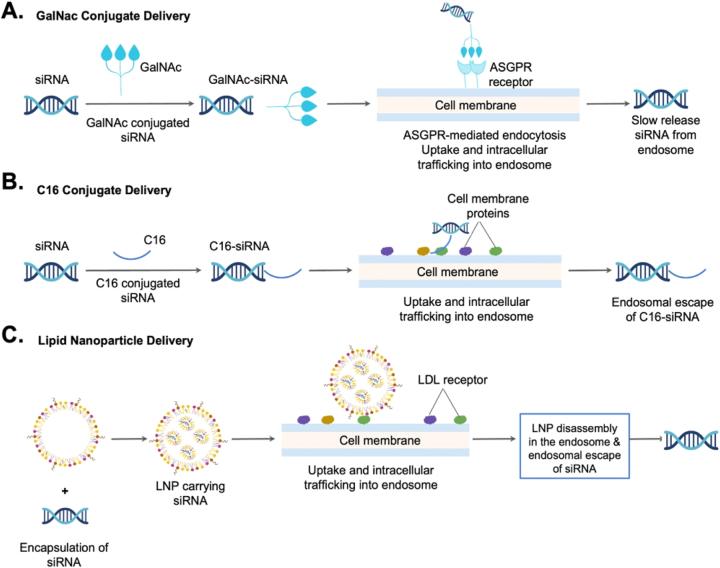
Recently there has been a surge in interest involving the application of oligonucleotides, including small interfering RNA (siRNA) and antisense oligonucleotides (ASOs), for the treatment of chronic diseases that have few available therapeutic options. This emerging class of drugs primarily operates by selectively suppressing target genes through antisense and/or RNA interference mechanisms. While various commercial medications exist for delivering oligonucleotides to the hepatic tissue, achieving effective delivery to extra hepatic tissues remains a formidable challenge. Here, we review recent advances in oligonucleotide technologies, including nanoparticle delivery, local administration, and 2'-O-hexadecyl (C16)-conjugation that work to extend the applicability of siRNAs and ASOs to nerve tissues. We discuss critical factors pivotal for the successful clinical translations of these modified or engineered oligonucleotides in the context of treating neurodegenerative diseases such as Alzheimer's disease and amyotrophic lateral sclerosis.
最近,人们对寡核苷酸(包括小干扰RNA(siRNA)和反义寡核苷酸(ASO))在治疗选择有限的慢性疾病中的应用兴趣激增。这类新兴药物主要通过反义及/或RNA干扰机制选择性抑制靶基因发挥作用。虽然有多种商业药物可将寡核苷酸递送至肝组织,但实现向肝外组织的有效递送仍然是一项艰巨的挑战。在此,我们综述寡核苷酸技术的最新进展,包括纳米颗粒递送、局部给药以及2'-O-十六烷基(C16)缀合,这些技术致力于将siRNA和ASO的适用性扩展至神经组织。我们讨论了在治疗阿尔茨海默病和肌萎缩侧索硬化等神经退行性疾病的背景下,这些修饰或工程化寡核苷酸成功进行临床转化的关键因素。


 Zotero 插件