
激活的α9整合素表达可实现脊髓损伤后感觉通路的重建。
Activated alpha 9 integrin expression enables sensory pathway reconstruction after spinal cord injury.
作者信息
Stepankova Katerina, Smejkalova Barbora, Machova Urdzikova Lucia, Haveliková Katerina, de Winter Fred, Suchankova Stepanka, Verhaagen Joost, Herynek Vit, Turecek Rostislav, Kwok Jessica, Fawcett James, Jendelova Pavla
机构信息
Institute of Experimental Medicine Czech Academy of Science, Videnska 1083, 14220, Prague 4, Czech Republic.
2nd Faculty of Medicine, Charles University, 15006, Prague, Czech Republic.
出版信息
Acta Neuropathol Commun. 2025 May 2;13(1):89. doi: 10.1186/s40478-025-01995-0.
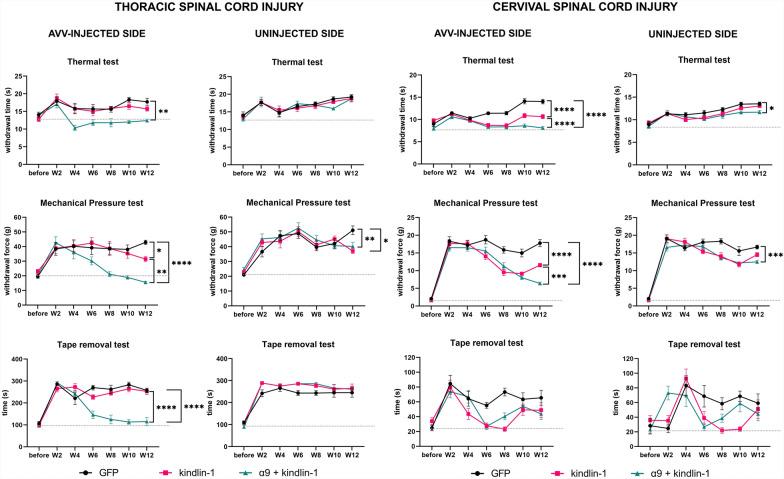
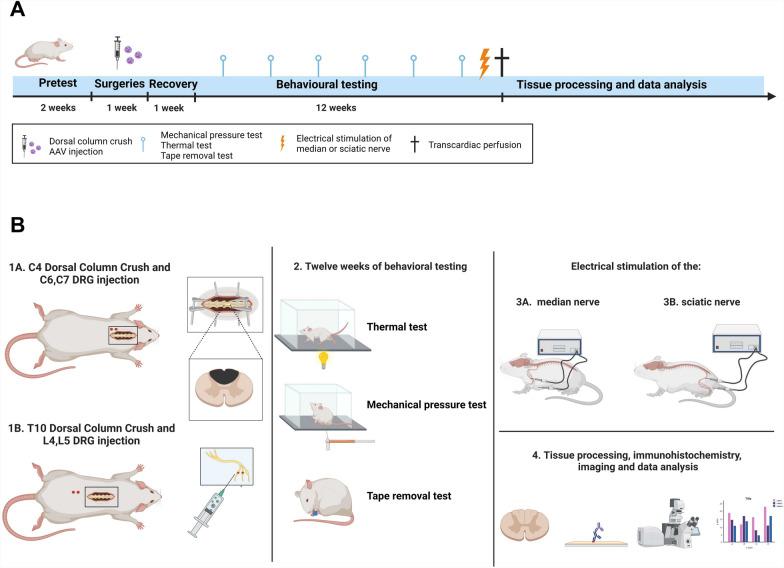
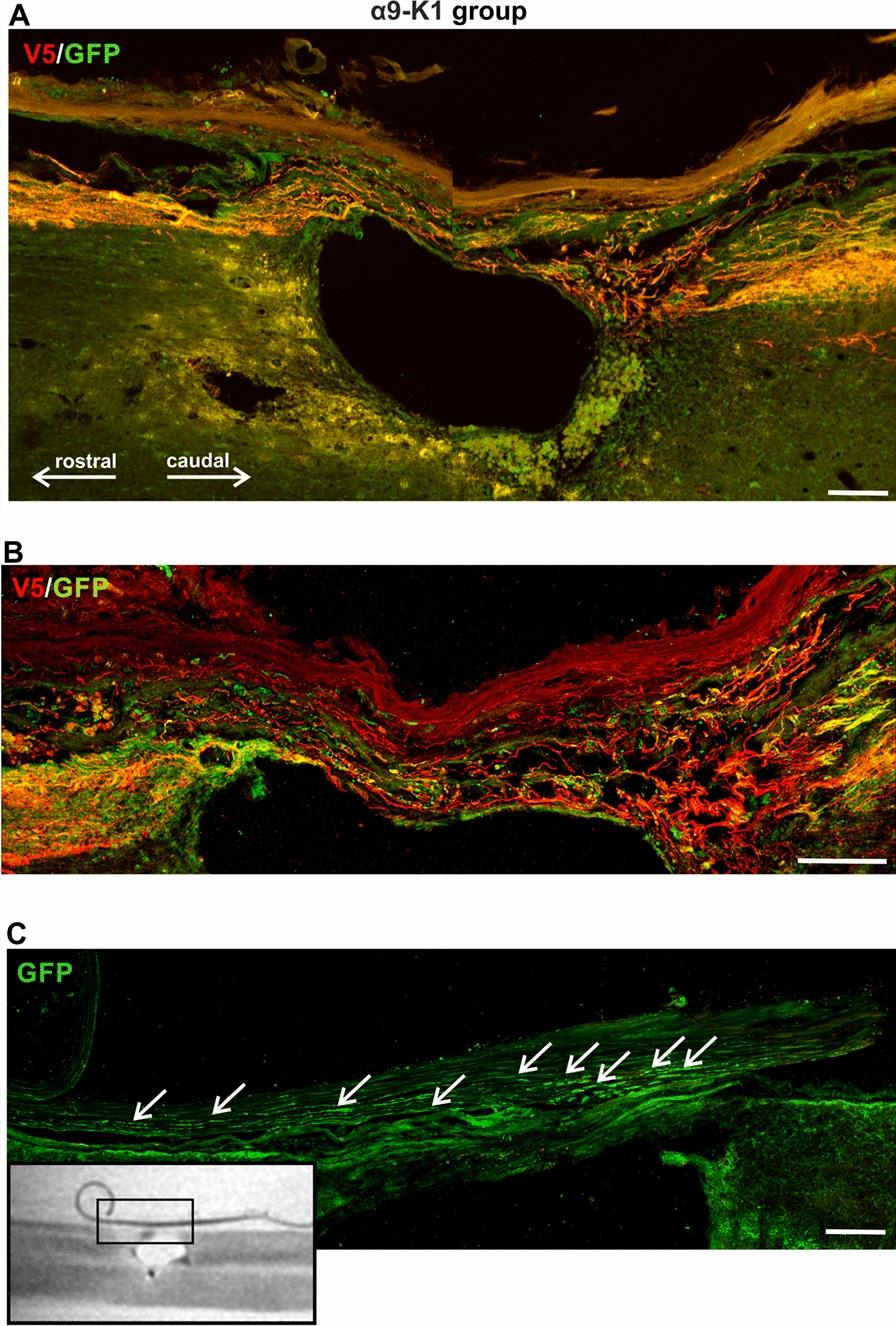
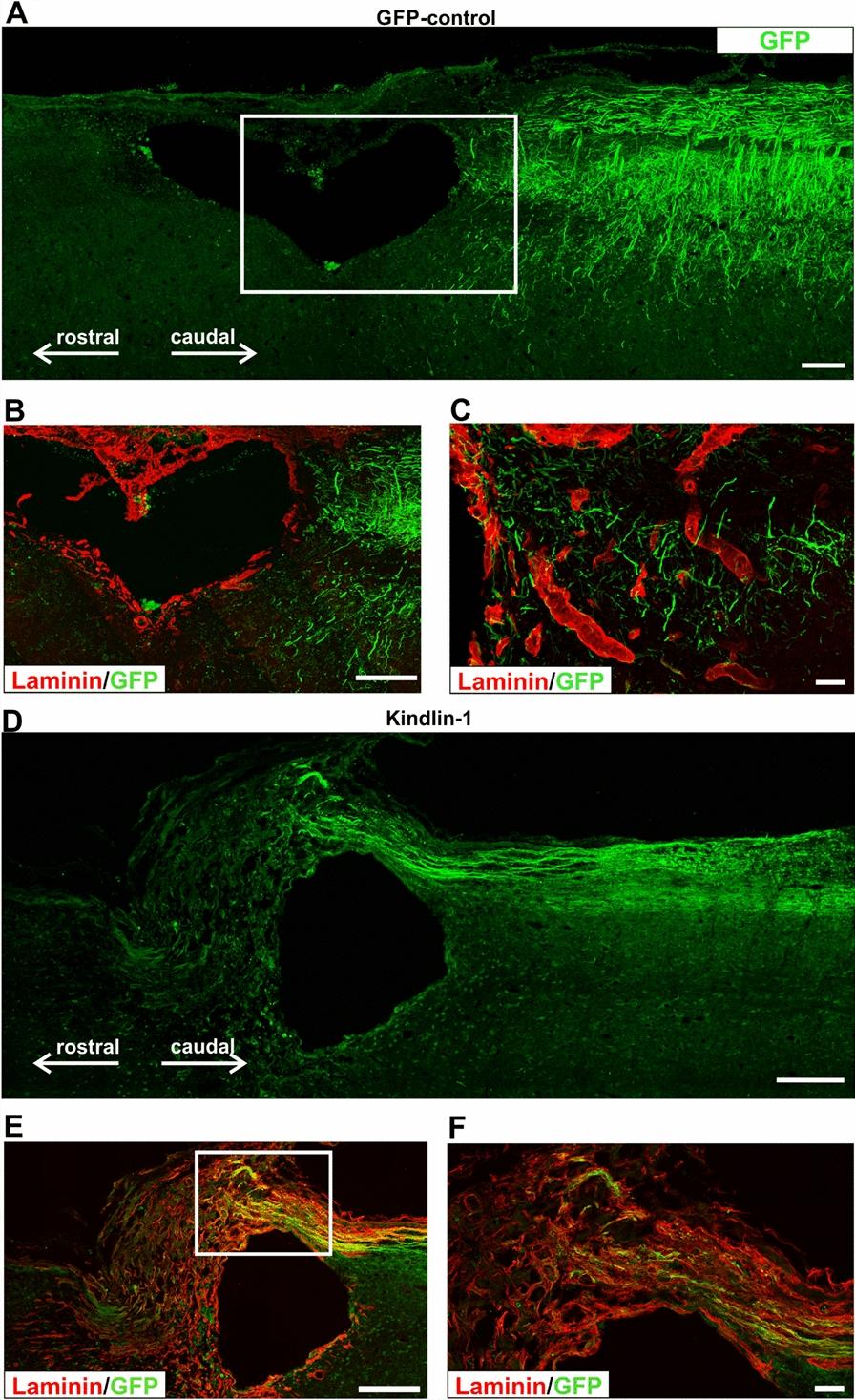
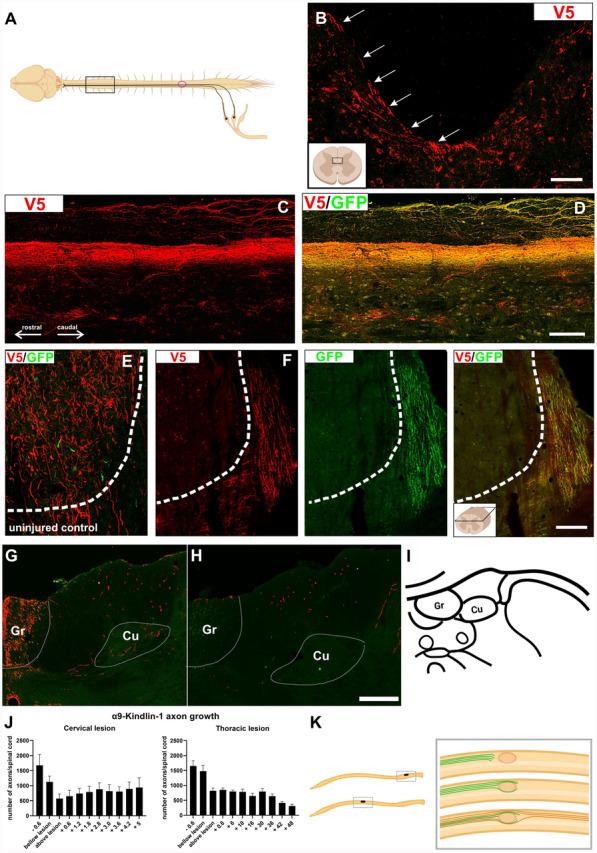
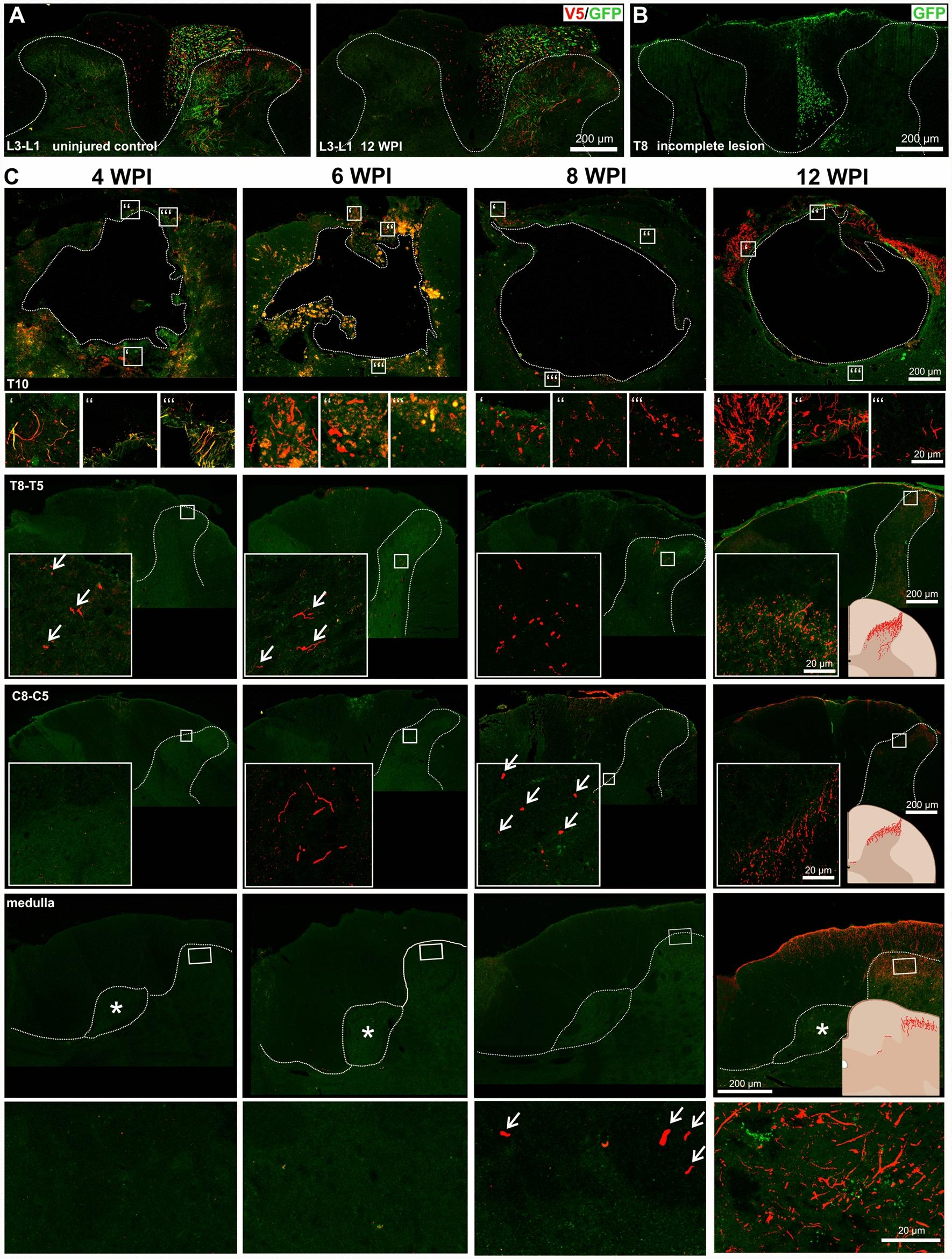
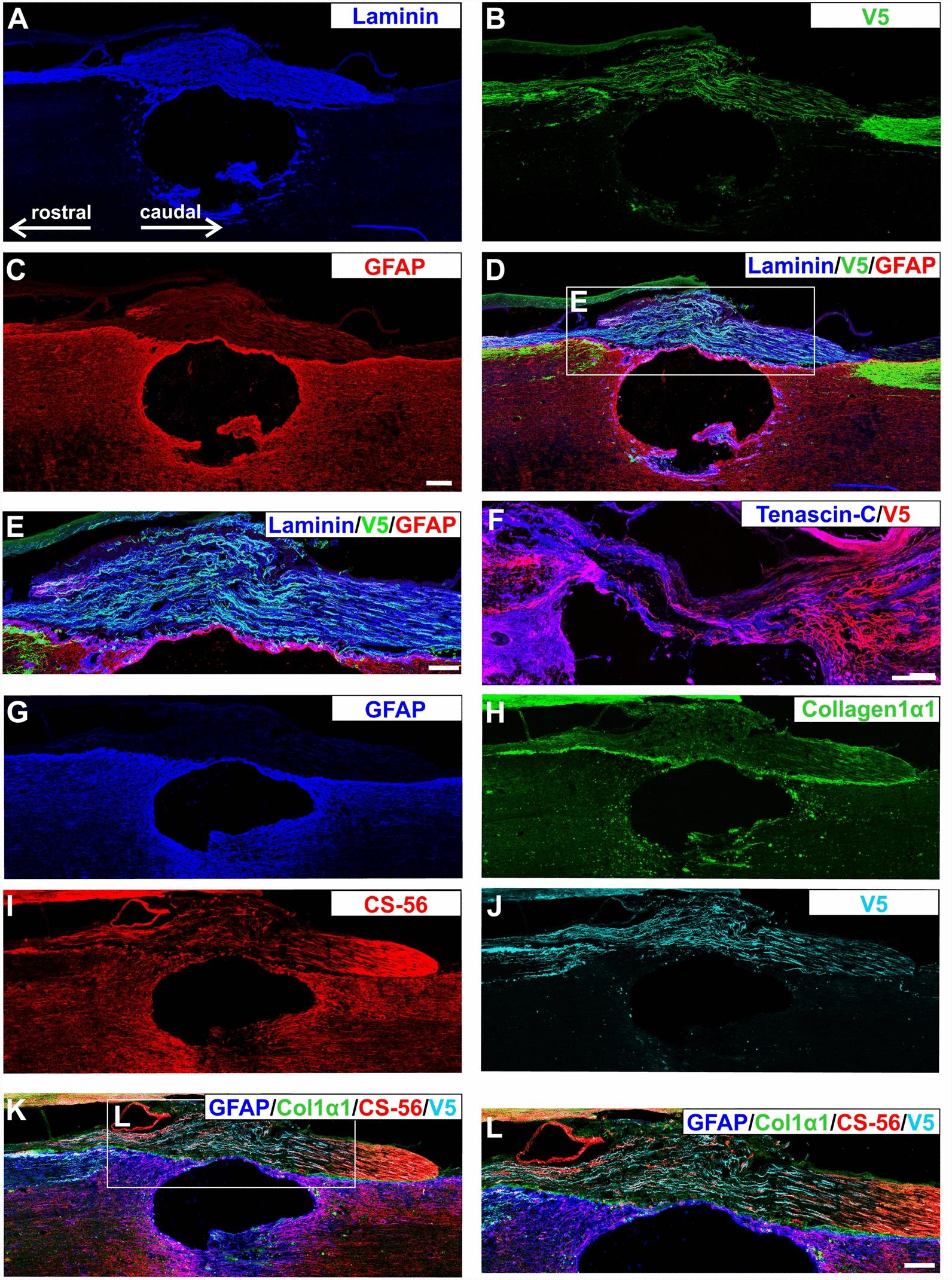
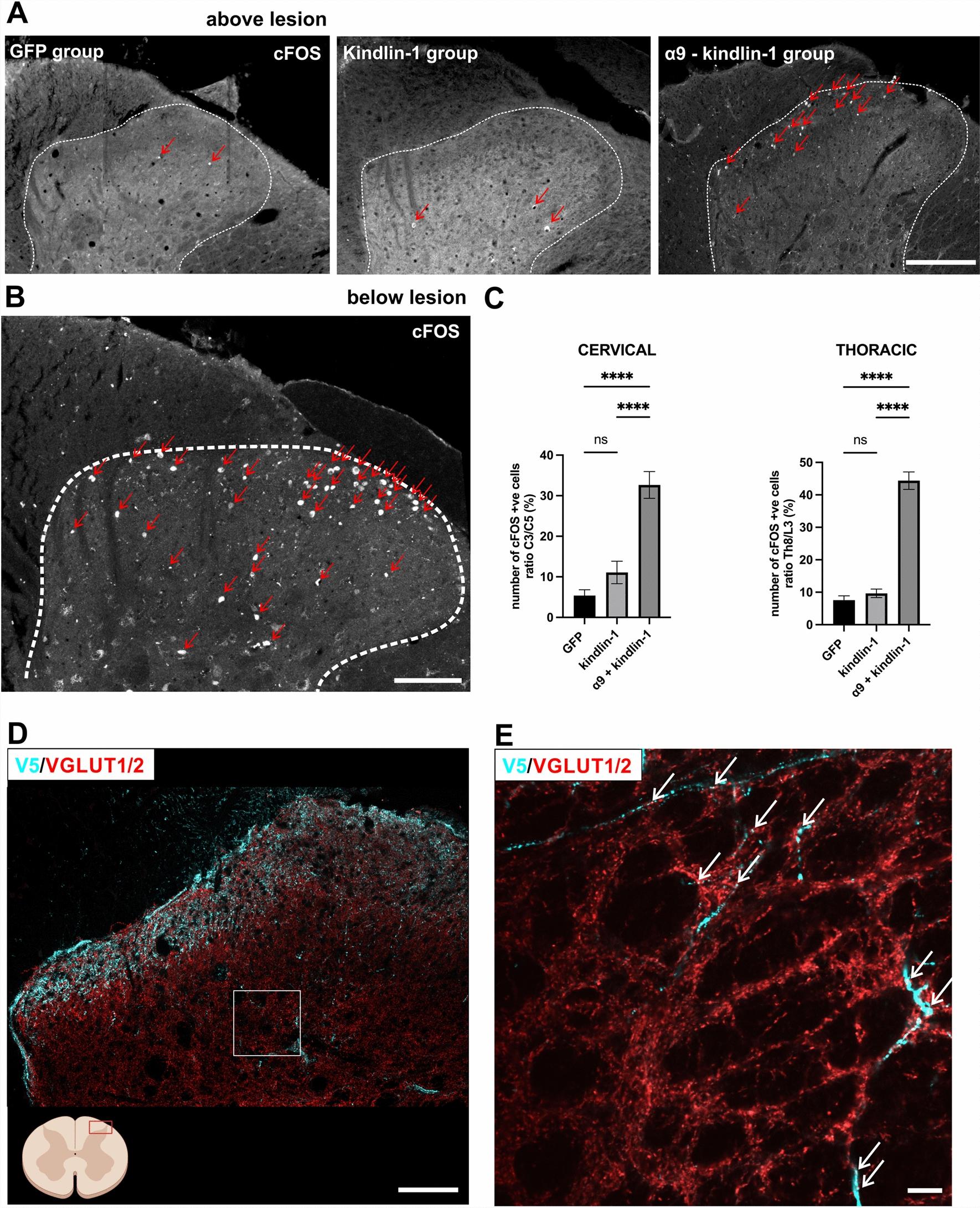
Full recovery from spinal cord injury requires axon regeneration to re-establish motor and sensory pathways. In mammals, the failure of sensory and motor axon regeneration has many causes intrinsic and extrinsic to neurons, amongst which is the lack of adhesion molecules needed to interact with the damaged spinal cord. This study addressed this limitation by expressing the integrin adhesion molecule α9, along with its activator kindlin-1, in sensory neurons via adeno-associated viral (AAV) vectors. This enabled sensory axons to regenerate through spinal cord injuries and extend to the brainstem, restoring sensory pathways, touch sensation and sensory behaviours. One of the integrin ligands in the injured spinal cord is tenascin-C, which serves as a substrate for α9β1 integrin, a key receptor in developmental axon guidance. However, the adult PNS and CNS neurons lack this receptor. Sensory neurons were transduced with α9 integrin (which pairs with endogenous β1 to form a α9β1 tenascin receptor) together with the integrin activator kindlin-1. Regeneration from sensory neurons transduced with α9integrin and kindlin-1 was examined after C4 and after T10 dorsal column lesions with C6,7 and L4,5 sensory ganglia injected with AAV1 vectors. In animals treated with α9 integrin and kindlin-1, sensory axons regenerated through tenascin-C-expressing connective tissue strands and bridges across the lesions and then re-entered the CNS tissue. Many axons regenerated rostrally to the level of the medulla. Axons grew through the dorsal grey matter rather than their normal pathway the dorsal columns. Growth was slow, axons taking 12 weeks to grow from T10 to the medulla, a distance of 4-5 cm. Functional recovery was confirmed through cFos activation in neurons rostral to the injury after nerve stimulation and VGLUT1/2 staining indicating new synapse formation above the lesion. Behavioural recovery was seen in both heat and mechanical sensation, as well as tape removal tests. This approach demonstrates the potential of integrin-based therapies for long distance sensory axon regeneration and functional recovery following thoracic and partial recovery after cervical spinal cord injury.
脊髓损伤的完全恢复需要轴突再生以重新建立运动和感觉通路。在哺乳动物中,感觉和运动轴突再生失败有许多神经元内在和外在的原因,其中之一是缺乏与受损脊髓相互作用所需的黏附分子。本研究通过腺相关病毒(AAV)载体在感觉神经元中表达整合素黏附分子α9及其激活剂纽带蛋白-1来解决这一限制。这使得感觉轴突能够通过脊髓损伤部位再生并延伸至脑干,恢复感觉通路、触觉和感觉行为。损伤脊髓中的整合素配体之一是腱生蛋白-C,它是发育性轴突导向中的关键受体α9β1整合素的底物。然而,成年外周神经系统和中枢神经系统神经元缺乏这种受体。用α9整合素(与内源性β1配对形成α9β1腱生蛋白受体)和整合素激活剂纽带蛋白-1转导感觉神经元。在用C6、7和L4、5感觉神经节注射AAV1载体造成C4和T10背柱损伤后,检测用α9整合素和纽带蛋白-1转导的感觉神经元的再生情况。在用α9整合素和纽带蛋白-1治疗的动物中,感觉轴突通过表达腱生蛋白-C的结缔组织束再生,并穿过损伤部位的桥,然后重新进入中枢神经系统组织。许多轴突向头端再生至延髓水平。轴突穿过背侧灰质,而不是它们正常的背柱通路。生长缓慢,轴突从T10生长到延髓需要12周,距离为4-5厘米。通过神经刺激后损伤上方神经元中的cFos激活以及VGLUT1/2染色表明损伤上方形成新突触,证实了功能恢复。在热觉和机械感觉以及胶带去除试验中均观察到行为恢复。这种方法证明了基于整合素的疗法在胸段脊髓损伤后长距离感觉轴突再生和功能恢复以及颈段脊髓损伤后部分恢复方面的潜力。
 Zotero 插件