
慢性肾脏病管理的新疗法
New Therapies for the Management of Chronic Kidney Disease.
作者信息
Treihaft Andrew M, Parikh Manish A, Jackson Kaedrea A, Frishman William H, Peterson Stephen J
机构信息
Department of Medicine, New York-Presbyterian Brooklyn Methodist Hospital, Brooklyn, USA.
Department of Medicine, Weill Cornell Medicine, New York, USA.
出版信息
Cureus. 2025 Apr 7;17(4):e81824. doi: 10.7759/cureus.81824. eCollection 2025 Apr.
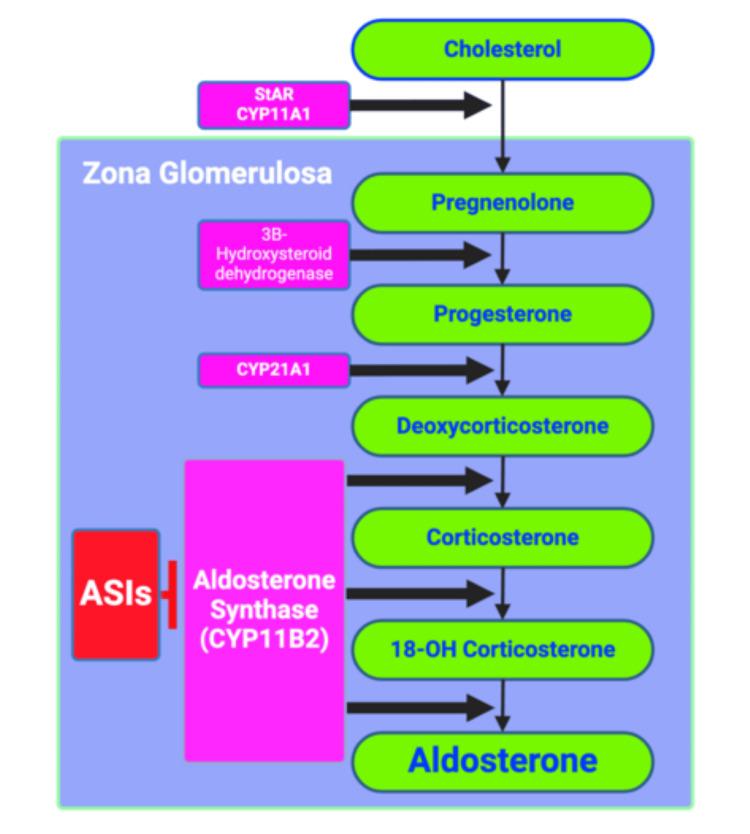
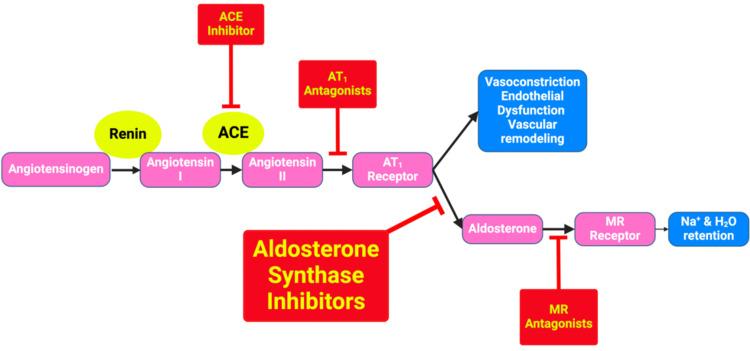
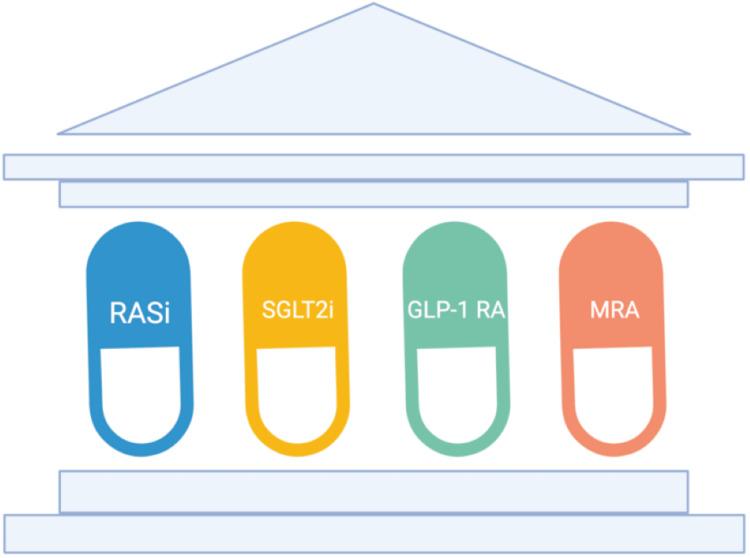
A major public health concern gripping the nation is chronic kidney disease (CKD), and for individuals concomitantly diagnosed with type 2 diabetes mellitus (T2DM), the coexistence significantly increases the cardiovascular morbidity and mortality by two to three times higher than patients diagnosed without CKD. CKD management encompasses both non-pharmacological approaches, such as dietary sodium restriction and lifestyle modification for blood pressure control, and pharmacological approaches. Current pharmacological management focuses on four key pillars: renin-angiotensin system inhibitors (RASi), sodium-glucose cotransporter-2 inhibitors (SGLT2i), glucagon-like peptide-1 receptor agonists (GLP-1RA), and mineralocorticoid receptor antagonists (MRAs), all of which have shown renoprotective and cardiovascular benefits. An incomplete block of aldosterone activity remains a challenge and is one of the factors contributing to the progression of kidney damage. Aldosterone synthase inhibitors (ASIs), such as vicadrostat, may represent a new horizon in selectively inhibiting aldosterone synthesis while preserving cortisol production. Early-phase trials have shown reductions in albuminuria and a potential for renal protection. The question is, could ASIs emerge as a fifth pillar in CKD management and help curb the progression?
困扰全国的一个主要公共卫生问题是慢性肾脏病(CKD),对于同时被诊断为2型糖尿病(T2DM)的个体而言,这种并存情况会使心血管疾病的发病率和死亡率显著增加,比未诊断出CKD的患者高出两到三倍。CKD的管理包括非药物方法,如饮食限钠和通过改变生活方式控制血压,以及药物方法。目前的药物管理侧重于四个关键支柱:肾素-血管紧张素系统抑制剂(RASi)、钠-葡萄糖协同转运蛋白2抑制剂(SGLT2i)、胰高血糖素样肽-1受体激动剂(GLP-1RA)和盐皮质激素受体拮抗剂(MRA),所有这些都已显示出肾脏保护和心血管益处。醛固酮活性的不完全阻断仍然是一个挑战,并且是导致肾脏损害进展的因素之一。醛固酮合酶抑制剂(ASI),如维卡司他,可能代表了在选择性抑制醛固酮合成同时保留皮质醇产生方面的一个新方向。早期试验已显示蛋白尿减少以及具有肾脏保护潜力。问题是,ASI能否成为CKD管理的第五个支柱并有助于遏制疾病进展?
 Zotero 插件