
在一项1期临床试验中,采用胎盘来源的间充质干细胞对继发进展型多发性硬化症患者进行细胞治疗。
Cell therapy with placenta-derived mesenchymal stem cells for secondary progressive multiple sclerosis patients in a phase 1 clinical trial.
作者信息
Shokati Ameneh, Nikbakht Mohsen, Sahraian Mohammad Ali, Saeedi Roghayyeh, Asadollahzadeh Elnaz, Rezaeimanesh Nasim, Chahardouli Bahram, Gharaylou Zeinab, Mousavi Seyed Asadollah, Ai Jafar, Naser Moghadasi Abdorreza
机构信息
Department of Applied Cell Sciences, School of Advanced Technologies in Medicine, Tehran University of Medical Sciences, Tehran, Iran.
Multiple Sclerosis Research Center, Neuroscience Institute, Tehran University of Medical Sciences (TUMS), Tehran, Iran.
出版信息
Sci Rep. 2025 May 8;15(1):16005. doi: 10.1038/s41598-025-00590-6.
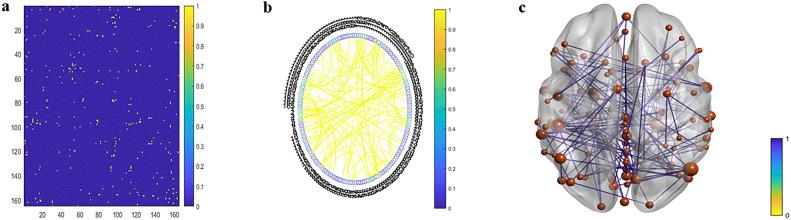
Mesenchymal stem cell (MSC) has attracted significant attention in clinical research due to their immunomodulatory properties and potential to reduce inflammation in autoimmune disorders, such as multiple sclerosis (MS). This study evaluates the safety and feasibility of placenta-derived MSCs (PLMSCs) in five participants with secondary-progressive multiple sclerosis (SPMS). The primary outcomes focused on safety and tolerability, assessed through adverse event monitoring over six months. Secondary exploratory outcomes included clinical, imaging, and immunological measures. Patients underwent baseline evaluations and follow-up assessments comprising cognitive and psychological assessments, expanded disability status scale (EDSS), clinical signs, diffusion tensor imaging (DTI), functional MRI (fMRI), cytokine levels (IL-10, IL-6, IL-17, TNFα), and CD20/CD19 B cell marker analysis. No serious complications were noted, except for temporary headache in two patients, which was resolved with tablet. Results demonstrated sustained improvements in clinical outcomes, as indicated by significant reductions in EDSS scores (P < 0.0001), cognitive and psychological assessments, and radial diffusivity (RD) indices (P = 0.0186) in DTI metrics over six months. Furthermore, fMRI analysis showed significant enhancements in brain connectivity and cognitive function. Immunologically, CD20/CD19 B cell markers decreased significantly (P = 0.0077), and anti-inflammatory cytokine IL-10 increased alongside reductions in pro-inflammatory TNFα, IL-6, and IL-17 (P < 0.0001) three months post-therapy. These findings suggest PLMSC transplantation is safe and feasible in SPMS patients. While exploratory outcomes indicate potential clinical and immunological benefits, this phase 1 trial was not designed to assess efficacy. Larger, controlled phase II trials are warranted to validate these preliminary observations and investigate PLMSCs' therapeutic potential in MS.
间充质干细胞(MSC)因其免疫调节特性以及在自身免疫性疾病(如多发性硬化症,MS)中减轻炎症的潜力,在临床研究中备受关注。本研究评估了胎盘来源的间充质干细胞(PLMSC)在5例继发进展型多发性硬化症(SPMS)患者中的安全性和可行性。主要结局集中在安全性和耐受性上,通过为期六个月的不良事件监测进行评估。次要探索性结局包括临床、影像学和免疫学指标。患者接受了基线评估和随访评估,包括认知和心理评估、扩展残疾状态量表(EDSS)、临床体征、扩散张量成像(DTI)、功能磁共振成像(fMRI)、细胞因子水平(IL - 10、IL - 6、IL - 17、TNFα)以及CD20/CD19 B细胞标志物分析。除了两名患者出现短暂头痛(服用片剂后缓解)外,未观察到严重并发症。结果显示临床结局持续改善,六个月内EDSS评分(P < 0.0001)、认知和心理评估以及DTI指标中的径向扩散率(RD)指数(P = 0.0186)显著降低。此外,fMRI分析显示大脑连通性和认知功能显著增强。在免疫学方面,治疗三个月后,CD20/CD19 B细胞标志物显著下降(P = 0.0077),抗炎细胞因子IL - 10增加,同时促炎细胞因子TNFα、IL - 6和IL - 17减少(P < 0.0001)。这些发现表明PLMSC移植在SPMS患者中是安全可行的。虽然探索性结局表明具有潜在的临床和免疫学益处,但该1期试验并非旨在评估疗效。有必要开展更大规模的对照2期试验来验证这些初步观察结果,并研究PLMSC在MS中的治疗潜力。



 Zotero 插件