
组蛋白脱乙酰酶抑制剂CT-101可使镰状细胞病小鼠体内的开关转向胎儿血红蛋白表达。
The histone deacetylase inhibitor CT-101 flips the switch to fetal hemoglobin expression in sickle cell disease mice.
作者信息
Takezaki Mayuko, Li Biaoru, Xu Hongyan, Patel Nikhil, Lucas Rudolf, Cerbone Ryan E, Koti Sivanagireddy, Hendrick Clifford L, Junker Louis H, Pace Betty S
机构信息
Department of Pediatrics, Georgia Cancer Center, Augusta University, Augusta, Georgia.
Department of Biostatistics, Data Science and Epidemiology, Augusta University, Augusta, Georgia.
出版信息
PLoS One. 2025 May 13;20(5):e0323550. doi: 10.1371/journal.pone.0323550. eCollection 2025.
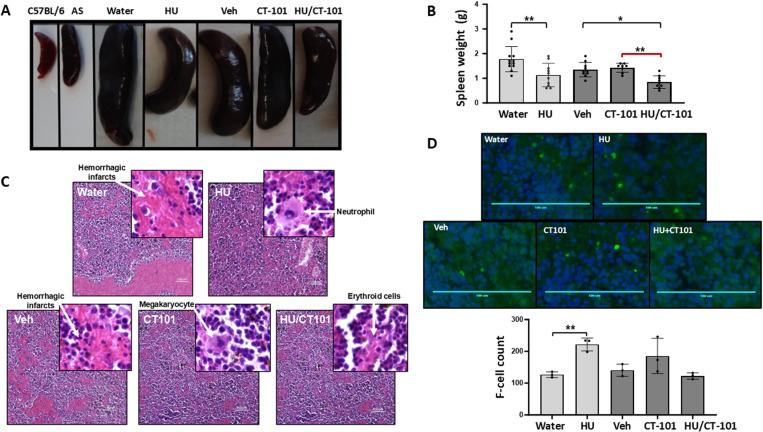
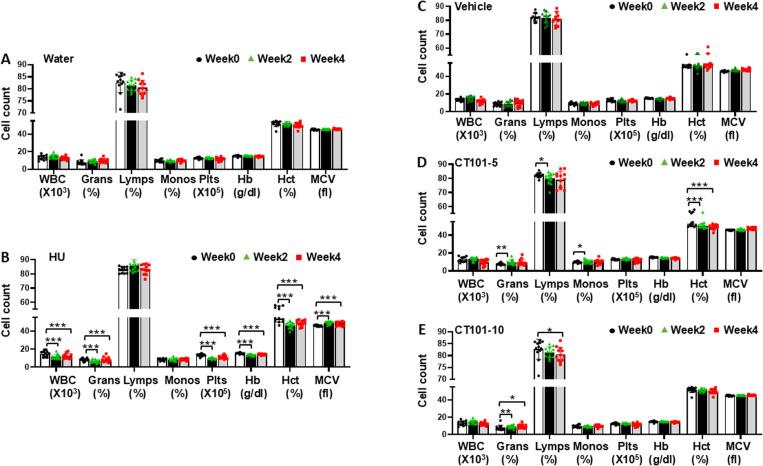
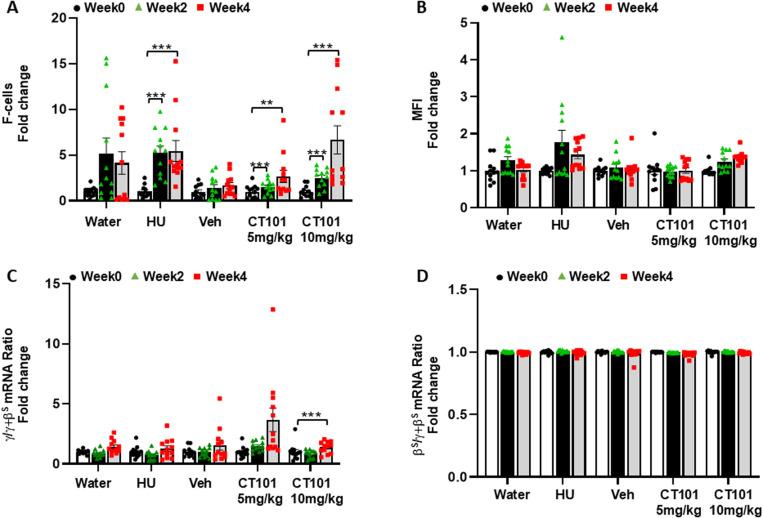
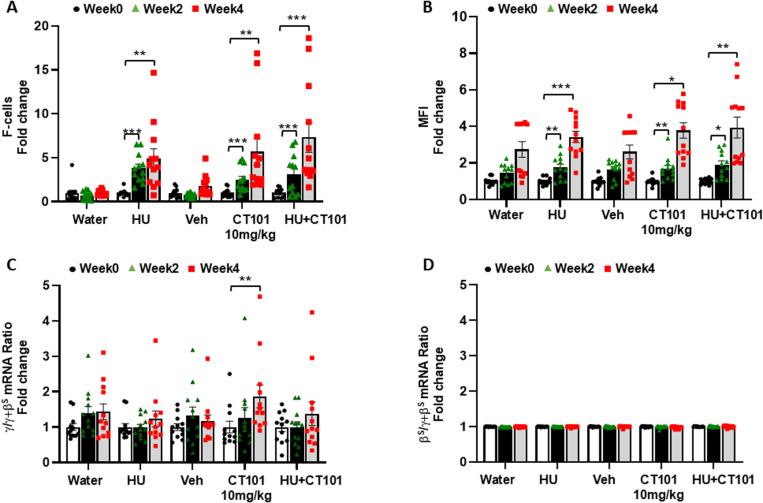
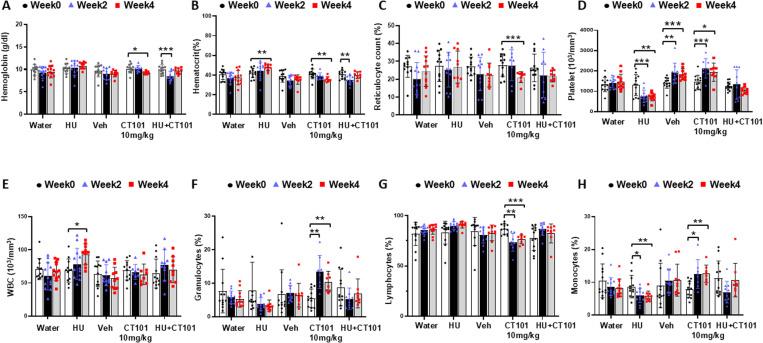
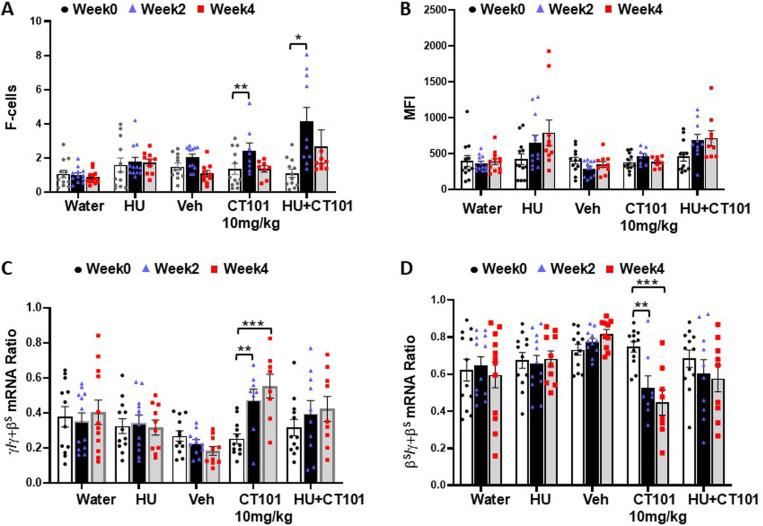
The most common hemoglobin disorder worldwide is sickle cell disease (SCD) caused by a point mutation in the adult β-globin gene. As a result, hemoglobin S production occurs leading to clinical symptoms including vaso-occlusive pain, organ damage, and a shortened lifespan. Hydroxyurea is the only FDA-approved fetal hemoglobin (HbF) inducer in the United States that ameliorates the clinical severity of SCD. Due to challenges with hydroxyurea, our study aimed to address the unmet need for the development of non-chemotherapeutic HbF inducers. We investigated the ability of CT-101, a Class 1 histone deacetylase inhibitor, to flip the γ-globin to β-globin switch in a humanized SCD mouse model. Pharmacokinetic parameters were assessed in CD-1 and Townes SCD mice after a single intraperitoneal drug dose. Similar drug uptake and half-life were observed in both animals. Subsequent studies in β-YAC mice expressing human γ-globin and β-globin genes established the optimal dose of CT-101 that induces HbF without peripheral blood toxicity. Subsequent confirmatory studies were conducted in the SCD mouse treated with intraperitoneal CT-101, demonstrating increases in F-cells, HbF, and γ-globin gene mRNA levels. Hydroxyurea combined with CT-101 significantly decreased spleen size and hemorrhagic infarcts and improved splenic extramedullary hematopoiesis. Our novel agent, CT-101, flipped the switch by activating γ-globin gene transcription and HbF protein synthesis in the preclinical SCD mouse model without significant toxicity in the peripheral blood. These findings support the development of an oral CT-101 formulation for clinical testing in SCD.
全球最常见的血红蛋白疾病是镰状细胞病(SCD),它由成人β-珠蛋白基因的点突变引起。结果,产生了血红蛋白S,导致出现包括血管阻塞性疼痛、器官损伤和寿命缩短等临床症状。羟基脲是美国食品药品监督管理局(FDA)批准的唯一一种可改善SCD临床严重程度的胎儿血红蛋白(HbF)诱导剂。由于羟基脲存在诸多问题,我们的研究旨在满足开发非化疗性HbF诱导剂这一未被满足的需求。我们研究了1类组蛋白去乙酰化酶抑制剂CT-101在人源化SCD小鼠模型中使γ-珠蛋白向β-珠蛋白转换的能力。在单次腹腔注射药物后,评估了CD-1和汤姆斯SCD小鼠的药代动力学参数。在两种动物中观察到了相似的药物摄取和半衰期。随后在表达人γ-珠蛋白和β-珠蛋白基因的β-YAC小鼠中进行的研究确定了诱导HbF且无外周血毒性的CT-101最佳剂量。随后对腹腔注射CT-101治疗的SCD小鼠进行了验证性研究,结果表明F细胞、HbF和γ-珠蛋白基因mRNA水平均有所增加。羟基脲与CT-101联合使用可显著减小脾脏大小和出血性梗死灶,并改善脾脏髓外造血。我们的新型药物CT-101通过激活临床前SCD小鼠模型中的γ-珠蛋白基因转录和HbF蛋白合成实现了这种转换,且在外周血中无明显毒性。这些发现支持开发用于SCD临床试验的口服CT-101制剂。

 Zotero 插件