
释放抗菌肽的力量:生产、优化及治疗方面的进展
Unlocking the power of antimicrobial peptides: advances in production, optimization, and therapeutics.
作者信息
Sadeeq Mohd, Li Yu, Wang Chaozhi, Hou Feifei, Zuo Jia, Xiong Peng
机构信息
Biosynthesis and Bio Transformation Center, School of Life Sciences and Medicine, Shandong University of Technology (SDUT), Zibo, China.
出版信息
Front Cell Infect Microbiol. 2025 Apr 28;15:1528583. doi: 10.3389/fcimb.2025.1528583. eCollection 2025.
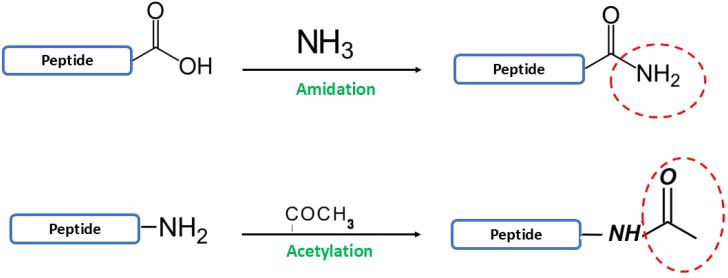
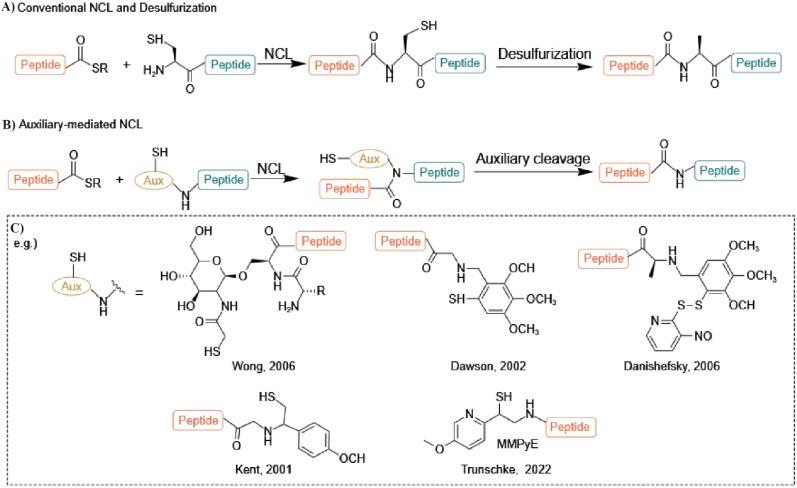
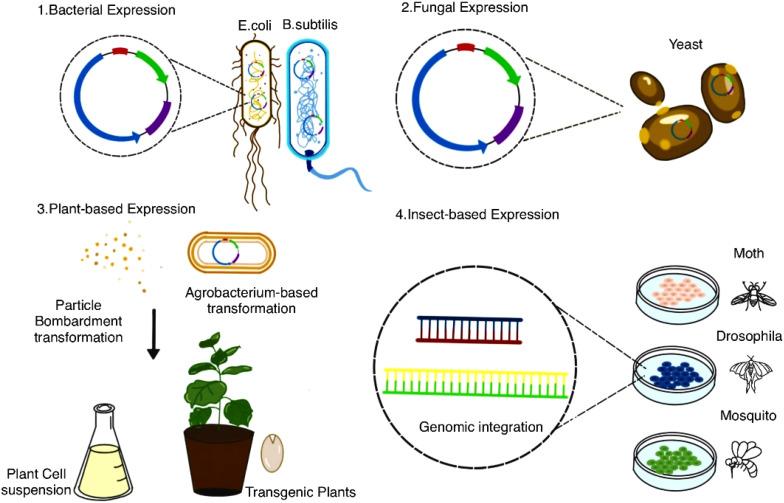
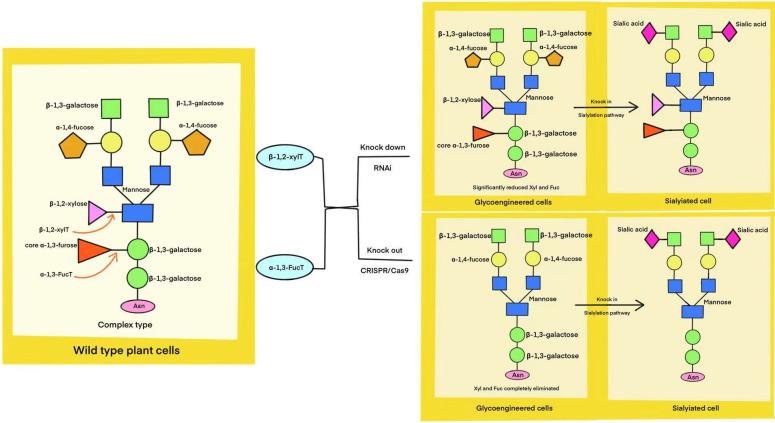
Antimicrobial peptides (AMPs) are critical effectors of innate immunity, presenting a compelling alternative to conventional antibiotics amidst escalating antimicrobial resistance. Their broad-spectrum efficacy and inherent low resistance development are countered by production challenges, including limited yields and proteolytic degradation, which restrict their clinical translation. While chemical synthesis offers precise structural control, it is often prohibitively expensive and complex for large-scale production. Heterologous expression systems provide a scalable, cost-effective platform, but necessitate optimization. This review comprehensively examines established and emerging AMP production strategies, encompassing fusion protein technologies, molecular engineering approaches, rational peptide design, and post-translational modifications, with an emphasis on maximizing yield, bioactivity, stability, and safety. Furthermore, we underscore the transformative role of artificial intelligence, particularly machine learning algorithms, in accelerating AMP discovery and optimization, thereby propelling their expanded therapeutic application and contributing to the global fight against drug-resistant infections.
抗菌肽(AMPs)是固有免疫的关键效应物,在日益严重的抗菌药物耐药性背景下,是传统抗生素极具吸引力的替代品。它们的广谱疗效和固有的低耐药性发展受到生产挑战的阻碍,包括产量有限和蛋白水解降解,这限制了它们的临床转化。虽然化学合成提供了精确的结构控制,但对于大规模生产来说,它往往成本过高且复杂。异源表达系统提供了一个可扩展、具有成本效益的平台,但需要进行优化。本综述全面研究了已确立的和新兴的抗菌肽生产策略,包括融合蛋白技术、分子工程方法、合理的肽设计和翻译后修饰,重点是最大限度地提高产量、生物活性、稳定性和安全性。此外,我们强调了人工智能,特别是机器学习算法,在加速抗菌肽发现和优化方面的变革性作用,从而推动其扩大治疗应用,并为全球抗击耐药性感染做出贡献。



 Zotero 插件