
细菌中的物理通讯途径:群体感应的额外层面
Physical communication pathways in bacteria: an extra layer to quorum sensing.
作者信息
de la Viuda Virgilio, Buceta Javier, Grobas Iago
机构信息
Theoretical and Computational Systems Biology Program, Institute for Integrative Systems Biology (I2sysbio), CSIC-UV, Catedrático Agustín Escardino Benlloch 9, 46980 Paterna, Spain.
出版信息
Biophys Rev. 2025 Mar 4;17(2):667-685. doi: 10.1007/s12551-025-01290-1. eCollection 2025 Apr.
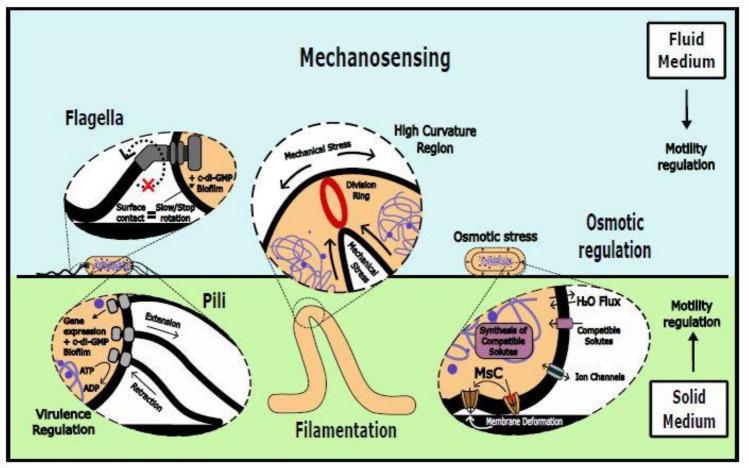
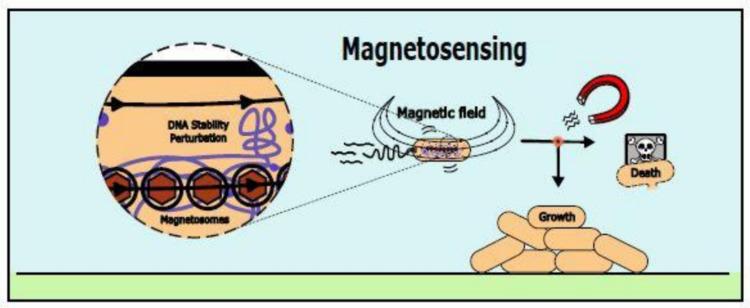
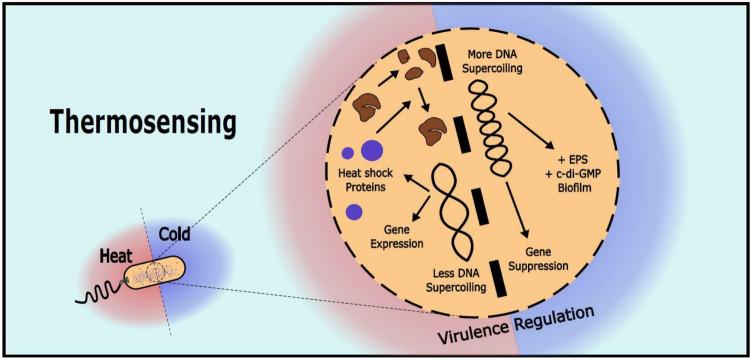
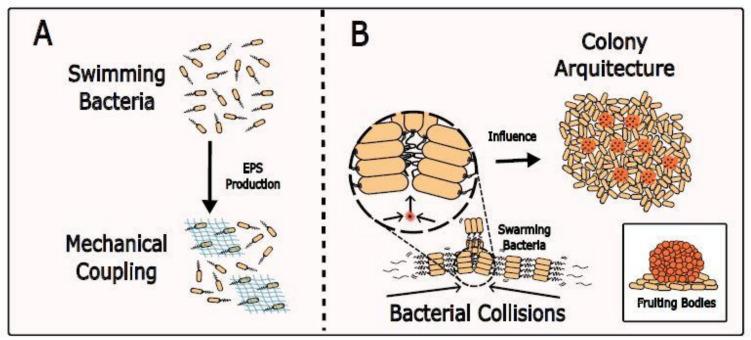
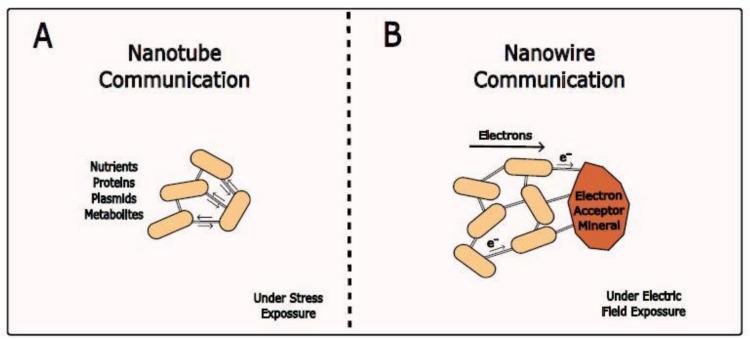
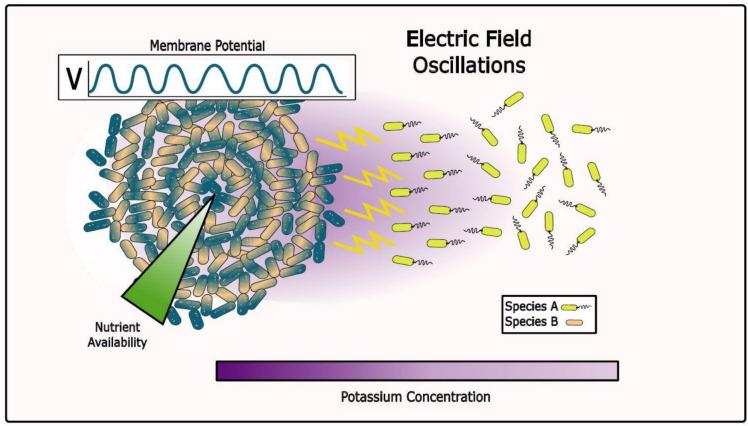
Bacterial communication is essential for survival, adaptation, and collective behavior. While chemical signaling, such as quorum sensing, has been extensively studied, physical cues play a significant role in bacterial interactions. This review explores the diverse range of physical stimuli, including mechanical forces, electromagnetic fields, temperature, acoustic vibrations, and light that bacteria may experience with their environment and within a community. By integrating these diverse communication pathways, bacteria can coordinate their activities and adapt to changing environmental conditions. Furthermore, we discuss how these physical stimuli modulate bacterial growth, lifestyle, motility, and biofilm formation. By understanding the underlying mechanisms, we can develop innovative strategies to combat bacterial infections and optimize industrial processes.
细菌通讯对于生存、适应和群体行为至关重要。虽然诸如群体感应等化学信号传导已得到广泛研究,但物理线索在细菌相互作用中也起着重要作用。本综述探讨了各种物理刺激,包括机械力、电磁场、温度、声振动和光,细菌可能在其环境中以及在群落中受到这些刺激。通过整合这些多样的通讯途径,细菌能够协调其活动并适应不断变化的环境条件。此外,我们还讨论了这些物理刺激如何调节细菌的生长、生活方式、运动性和生物膜形成。通过了解其潜在机制,我们可以制定创新策略来对抗细菌感染并优化工业过程。


 Zotero 插件