
暴露于卡西酮或假冒卡西酮的大鼠的神经行为和分子变化。
Neurobehavioral and molecular changes in rats exposed to either captagon or counterfeit captagon.
作者信息
Althobaiti Yusuf S, Alshanbari Areej H, Alshoaibi Doaa S, Khan Eman Abdulghani, Alghamdi Hanan A, Aljuaid Saud S, Alzilifi Ammar A, Alsulimani Nwaf K, Alrizqi Osama A, Alkhalifa Turki, Almalki Ahmad, Alsanie Walaa F, Gaber Ahmed, Alsaab Hashem O
机构信息
Department of Pharmacology and Toxicology, College of Pharmacy, Taif University, P.O. Box 11099, 21944, Taif, Saudi Arabia.
Addiction and Neuroscience Research Unit, Taif University, P.O. Box 11099, 21944, Taif, Saudi Arabia.
出版信息
Saudi Pharm J. 2025 Apr 29;33(1-2):7. doi: 10.1007/s44446-025-00007-5.
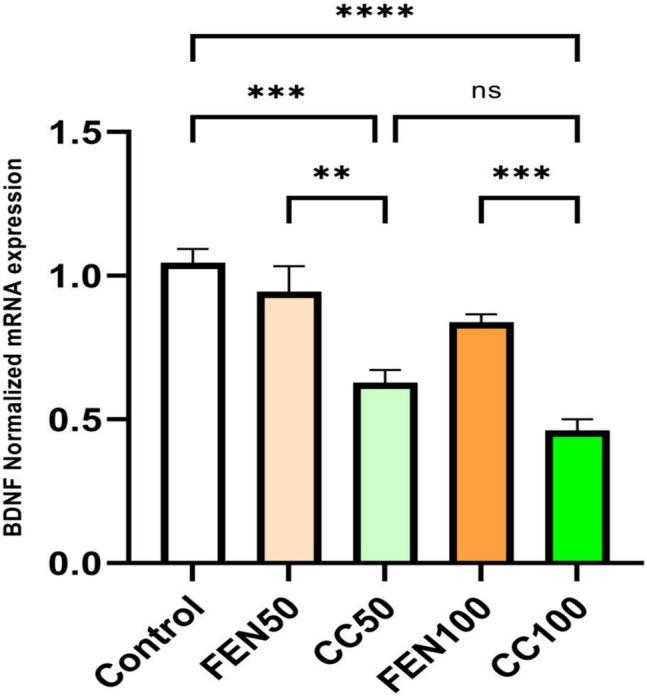
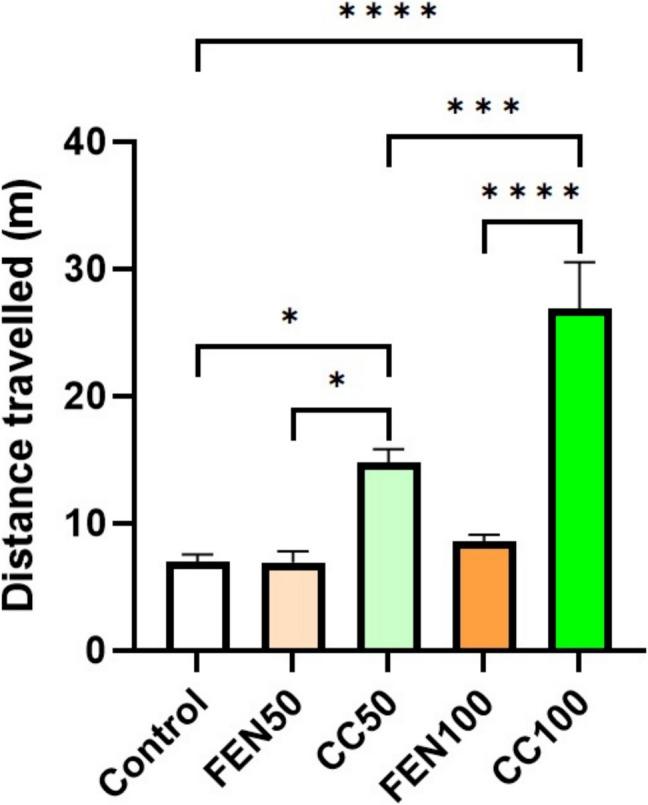
The primary ingredient in captagon, a medication that is frequently abused in the Middle East, is fenethylline (FEN), which breaks down into theophylline and amphetamines (AMP). Due to the limited supply of genuine Captagon, fake Captagon (CC) has surfaced, comprising a variety of chemicals such as lidocaine, theophylline, AMP, caffeine, and diphenhydramine. This study compares the neurobehavioral consequences of CC with FEN, emphasizing the higher health concerns associated with CC. A total of 36 male Sprague Dawley rats were split up into five groups: CC (50 or 100 mg/kg), FEN (50 or 100 mg/kg), and control. Following therapy, body temperature and locomotor activity were recorded. Using quantitative real-time PCR (qRT-PCR), the expression of the Brain-Derived Neurotrophic Factor (BDNF) gene was examined in prefrontal cortex (PFC) samples. The findings indicated a higher risk of lethal hyperthermia because CC significantly increased body temperature and locomotor activity in comparison to FEN. Furthermore, a significant reduction in BDNF mRNA levels in the PFC following CC exposure raised the possibility of long-term cognitive and neuroplasticity deficits. According to these results, CC poses a significantly bigger risk because of its unexpected composition and more severe neurobehavioral effects, even though FEN is a recognized social menace. The present study underscores the pressing necessity of public health measures to curb the proliferation and misuse of CC. To lessen these new medications' detrimental effects on people and society as a whole, education about their risks and initiatives to stop their usage are crucial.
卡西酮是一种在中东地区经常被滥用的药物,其主要成分是芬乙茶碱(FEN),芬乙茶碱会分解为茶碱和苯丙胺(AMP)。由于正品卡西酮供应有限,假冒卡西酮(CC)出现了,它包含利多卡因、茶碱、苯丙胺、咖啡因和苯海拉明等多种化学物质。本研究比较了假冒卡西酮与芬乙茶碱的神经行为后果,强调了与假冒卡西酮相关的更高健康风险。总共36只雄性斯普拉格-道利大鼠被分成五组:假冒卡西酮(50或100毫克/千克)、芬乙茶碱(50或100毫克/千克)和对照组。治疗后,记录体温和运动活动。使用定量实时PCR(qRT-PCR)检测前额叶皮质(PFC)样本中脑源性神经营养因子(BDNF)基因的表达。研究结果表明,与芬乙茶碱相比,假冒卡西酮显著提高了体温和运动活动,因此存在更高的致死性体温过高风险。此外,接触假冒卡西酮后,前额叶皮质中BDNF mRNA水平显著降低,增加了长期认知和神经可塑性缺陷的可能性。根据这些结果,尽管芬乙茶碱是公认的社会威胁,但假冒卡西酮因其意外的成分和更严重的神经行为影响而带来更大的风险。本研究强调了采取公共卫生措施遏制假冒卡西酮扩散和滥用的迫切必要性。为了减轻这些新药对个人和整个社会的有害影响,开展关于其风险的教育以及采取措施阻止其使用至关重要。


 Zotero 插件