
鱼类及鱼类副产品的健康益处——营养与功能视角
Health benefits of fish and fish by-products-a nutritional and functional perspective.
作者信息
Noreen Sana, Hashmi Bushra, Aja Patrick Maduabuchi, Atoki Ayomide Victor
机构信息
University Institute of Diet and Nutritional Sciences, The University of Lahore, Lahore, Pakistan.
Faculty of Biomedical Sciences, Kampala International University, Western Campus, Bushenyi, Uganda.
出版信息
Front Nutr. 2025 May 9;12:1564315. doi: 10.3389/fnut.2025.1564315. eCollection 2025.
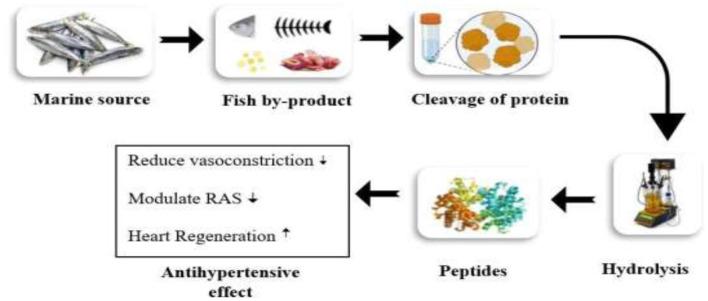
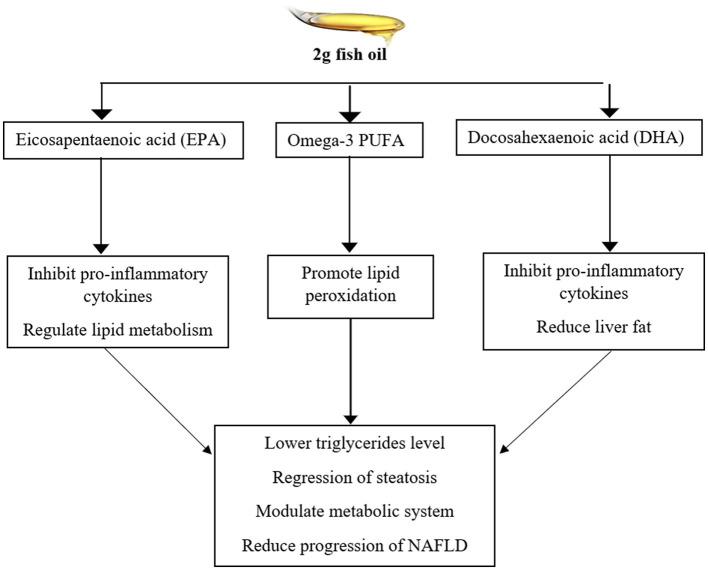
Fish is the primary marine source that provides adequate nutrition to the human body. Fish production is increasing every year, contributing to a sustainable economy, as they provide a significant source of income and food: This review highlights the potential health benefits, industrial applications, and toxicity of various fish species Globally, fish possess various bioactive compounds; this efficacy makes them a more edible source to consume worldwide. A wide range of bioactive compounds, primary macronutrients, micronutrients, vitamins, and minerals are present in various fish types that are essential in preventing different human disorders. The nutritional value of fish helps to provide exceptional health benefits against different human ailments. Fish are excellent sources of protein, peptides, and polyunsaturated fatty acids, particularly eicosapentaenoic acid (EPA), Alpha-linolenic acid (ALA), omega-6 fatty acids, and docosahexaenoic acid (DHA), omega-3 fatty acids that influence human health positively. Fish and their by-products are also excellent sources for developing various nutraceutical and functional foods to fight against multiple human disorders. The by-products of fish exert significant effects against infection, viral attack, cardiovascular diseases, immune disorders, oxidative stress, inflammation, neurological diseases, and other physiological complications. Few fish species are contaminated with harmful substances that cause potential risks to children's and adults' bodies. Additionally, the therapeutic use of fish and their by-products unveils the potential nutritional benefits to reduce the burden on public health by managing dietary issues such as food security, protein deficiency, and other nutritional-related problems.
鱼类是向人体提供充足营养的主要海洋来源。鱼类产量逐年增加,有助于实现经济可持续发展,因为它们提供了重要的收入和食物来源:本综述重点介绍了各种鱼类的潜在健康益处、工业应用和毒性。在全球范围内,鱼类含有各种生物活性化合物;这种功效使它们成为全球更适合食用的来源。各种鱼类中存在广泛的生物活性化合物、主要常量营养素、微量营养素、维生素和矿物质,这些对预防不同的人类疾病至关重要。鱼类的营养价值有助于为对抗不同的人类疾病带来特殊的健康益处。鱼类是蛋白质、肽和多不饱和脂肪酸的优质来源,特别是二十碳五烯酸(EPA)、α-亚麻酸(ALA)、ω-6脂肪酸和二十二碳六烯酸(DHA)、ω-3脂肪酸,它们对人类健康有积极影响。鱼类及其副产品也是开发各种营养保健品和功能性食品以对抗多种人类疾病的优质来源。鱼类副产品对感染、病毒攻击、心血管疾病、免疫紊乱、氧化应激、炎症、神经疾病和其他生理并发症有显著作用。少数鱼类品种被有害物质污染,对儿童和成人的身体造成潜在风险。此外,鱼类及其副产品的治疗用途揭示了潜在的营养益处,通过解决粮食安全、蛋白质缺乏和其他营养相关问题等饮食问题来减轻公共卫生负担。


 Zotero 插件