
鲤科淡水鱼(拉芬斯克,1815年)中的有毒元素与脂肪酸组成:营养益处与健康风险的平衡
Toxic elements and fatty acid composition in the freshwater fish family Cyprinidae (Rafinesque 1815): balancing nutritional benefits and health risks.
作者信息
Kovacik Anton, Helczman Marek, Arvay Julius, Jambor Tomas, Kovacikova Eva
机构信息
Institute of Applied Biology, Faculty of Biotechnology and Food Sciences, Slovak University of Agriculture in Nitra, Tr. A. Hlinku 2, 949 76, Nitra, Slovak Republic.
Institute of Food Sciences, Faculty of Biotechnology and Food Sciences, Slovak University of Agriculture in Nitra, Tr. A. Hlinku 2, 949 76, Nitra, Slovak Republic.
出版信息
Environ Monit Assess. 2025 May 26;197(6):676. doi: 10.1007/s10661-025-14112-4.
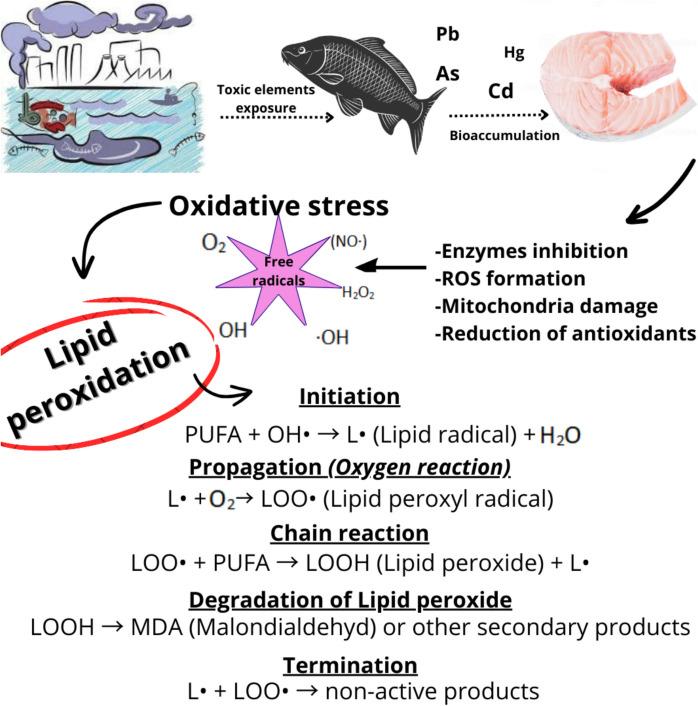
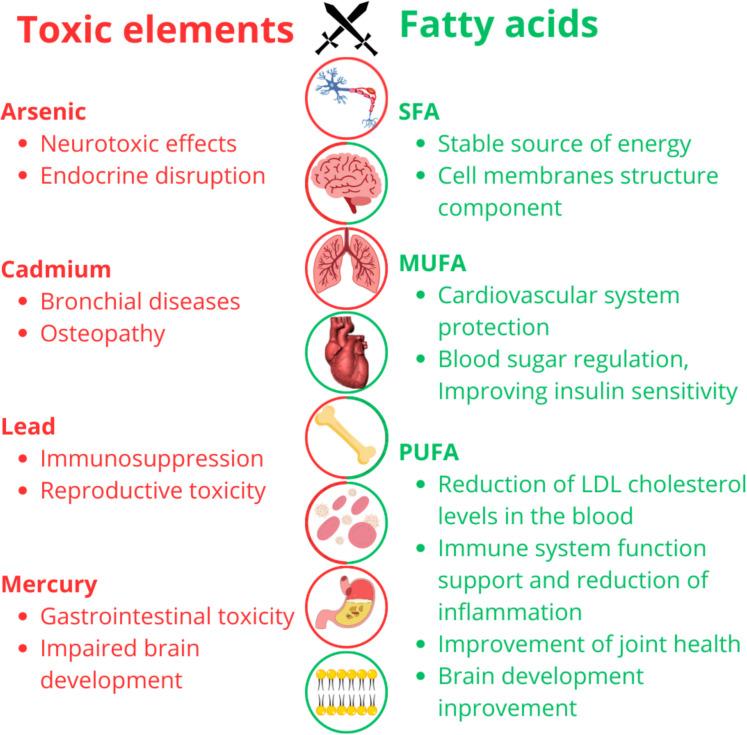
The aim of this study was to assess the toxicity of heavy metals/metalloids, including arsenic, cadmium, lead, and mercury accumulated in the muscle of commonly consumed fish from the Cyprinidae. We discussed the importance of fatty acids in the human diet and investigated their profile in the muscle of different fish species. Additionally, our goal was to evaluate the benefits of fish consumption in relation to its risks, not only by considering the advantages of fatty acids and the drawbacks of heavy metal toxicity but also by examining how these pollutants may alter the fatty acid profile in fish muscle, potentially reducing the quality of their nutritional benefits. We categorized these fatty acids based on their proportions in total lipids into muscle tissue of the SFA (saturated fatty acids), MUFA (monounsaturated fatty acids), and PUFA (polyunsaturated fatty acids) groups. Subsequently, we have described the toxic effects of selected elements on human health, reviewing that investigated exposure levels of these toxic elements in fish muscle and the safety of consumption through risk assessment tools such as total hazard quotient (THQ) and carcinogenic risk (CR) calculations. In the final section we focused on lipid metabolism, which is significantly affected by exposure to toxic elements. We searched for a possible relationship between the presence of toxic elements and changes in the fatty acid profile of fish muscle. The knowledge from other studies led us to the possibility of a lower PUFA content due to the damage of double bonds and the subsequent degradation of these fatty acids. Total fatty acid profile is a crucial factor in evaluating health risks and serve as an important indicator of fish meat quality. On the other hand, it can serve as a potential indicator of environmental contamination by these toxicants.
本研究的目的是评估重金属/类金属的毒性,这些重金属/类金属包括在鲤科常见食用鱼类肌肉中积累的砷、镉、铅和汞。我们讨论了脂肪酸在人类饮食中的重要性,并研究了不同鱼类肌肉中的脂肪酸谱。此外,我们的目标是评估食用鱼类的益处与风险,不仅要考虑脂肪酸的优点和重金属毒性的缺点,还要研究这些污染物如何改变鱼类肌肉中的脂肪酸谱,从而可能降低其营养益处的质量。我们根据饱和脂肪酸(SFA)、单不饱和脂肪酸(MUFA)和多不饱和脂肪酸(PUFA)在总脂质中的比例,将这些脂肪酸分类到肌肉组织中。随后,我们描述了选定元素对人体健康的毒性作用,回顾了在鱼类肌肉中调查的这些有毒元素的暴露水平,以及通过总危害商数(THQ)和致癌风险(CR)计算等风险评估工具进行消费安全性评估的情况。在最后一部分,我们重点关注脂质代谢,其受到有毒元素暴露的显著影响。我们寻找有毒元素的存在与鱼类肌肉脂肪酸谱变化之间的可能关系。其他研究的知识使我们想到,由于双键受损以及随后这些脂肪酸的降解,多不饱和脂肪酸含量可能会降低。总脂肪酸谱是评估健康风险的关键因素,也是鱼肉质量的重要指标。另一方面,它可以作为这些有毒物质环境污染的潜在指标。
 Zotero 插件