
海洋来源的[具体物种]次生代谢产物的细胞毒性活性综述(2018 - 2024年)
The Cytotoxic Activity of Secondary Metabolites from Marine-Derived spp.: A Review (2018-2024).
作者信息
Zhang Shuncun, Wang Huannan, Sai Chunmei, Wang Yan, Cheng Zhongbin, Zhang Zhen
机构信息
School of Pharmacy, Binzhou Medical University, 346 Guanhai Road, Yantai 264003, China.
School of Pharmacy, Jining Medical University, 669 Xueyuan Road, Rizhao 276800, China.
出版信息
Mar Drugs. 2025 Apr 30;23(5):197. doi: 10.3390/md23050197.
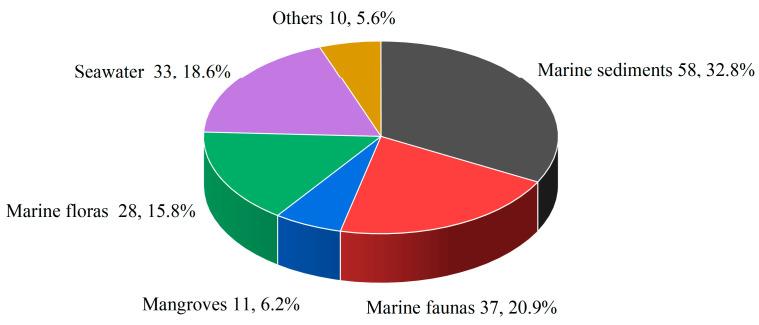
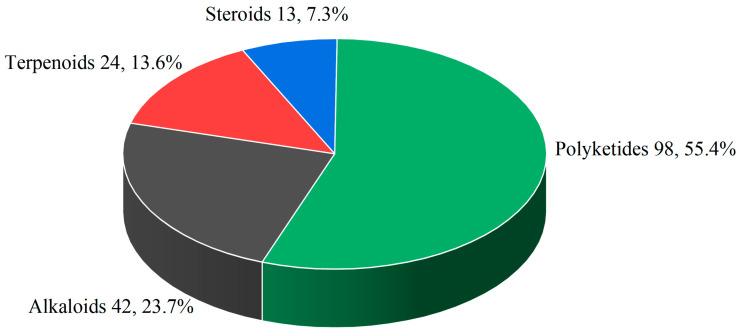
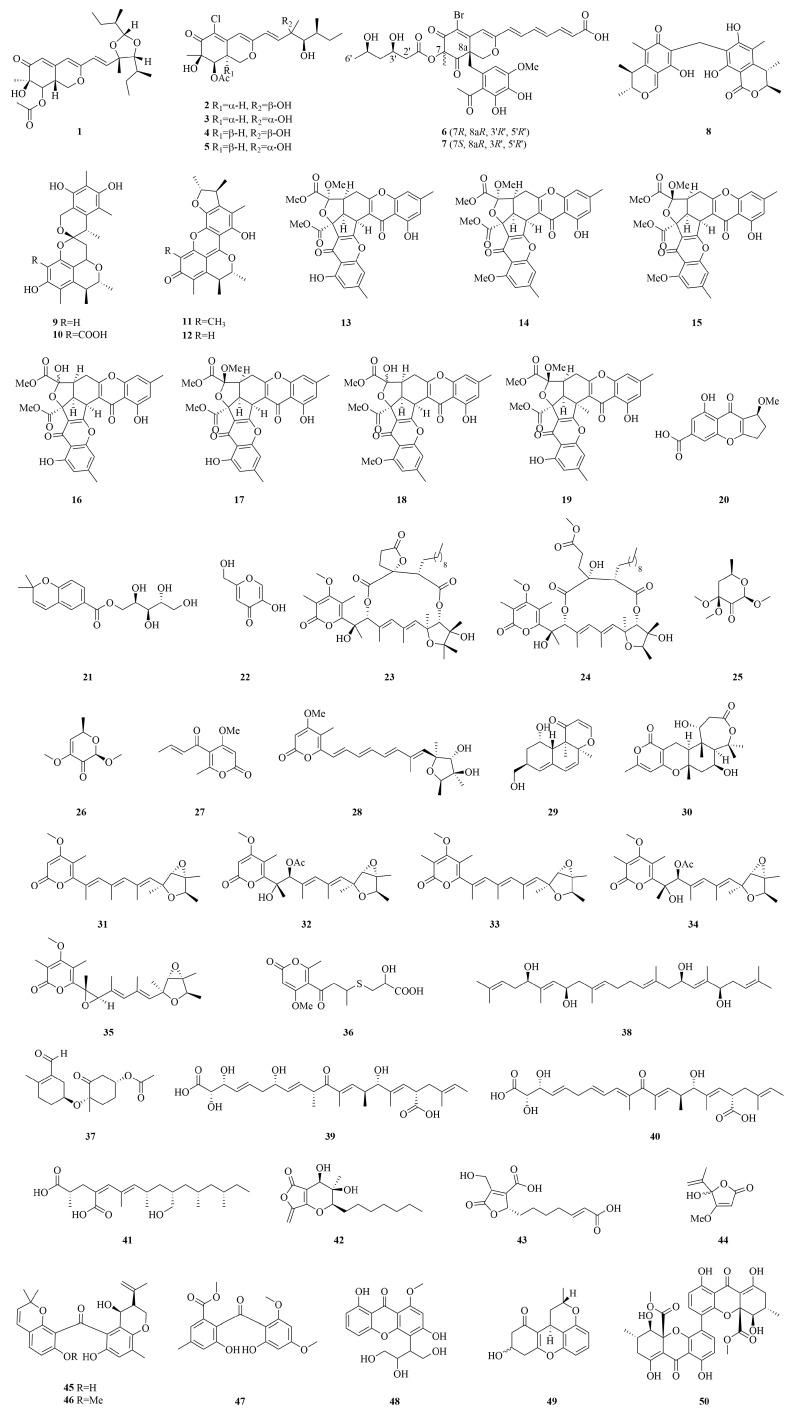
Marine-derived spp., including , , and , have emerged as prolific producers of structurally diverse secondary metabolites with cytotoxic activity. This review systematically categorizes 177 bioactive compounds isolated from marine spp. between 2018 and 2024, derived from diverse marine environments such as sediments, animals, plants, and mangroves. These compounds, classified into polyketides, alkaloids, terpenoids, and steroids, exhibit a wide range of cytotoxic activities. Their potency is categorized as potent (<1 μM or <0.5 μg/mL), notable (1-10 μM or 0.5-5 μg/mL), moderate (10-30 μM or 5-15 μg/mL), mild (30-50 μM or 15-25 μg/mL), and negligible (>50 μM or >25 μg/mL). The current review highlights the promising role of marine spp. as a rich repository for the discovery of anticancer agents and the advancement of marine-inspired drug development.
源自海洋的物种,包括[具体物种1]、[具体物种2]和[具体物种3],已成为具有细胞毒性活性的结构多样的次生代谢产物的丰富生产者。本综述系统地对2018年至2024年间从海洋[具体物种]中分离出的177种生物活性化合物进行了分类,这些化合物来自沉积物、动物、植物和红树林等不同的海洋环境。这些化合物分为聚酮化合物、生物碱、萜类化合物和甾体化合物,具有广泛的细胞毒性活性。它们的效力分为强效(<1 μM或<0.5 μg/mL)、显著(1 - 10 μM或0.5 - 5 μg/mL)、中度(10 - 30 μM或5 - 15 μg/mL)、轻度(30 - 50 μM或15 - 25 μg/mL)和可忽略不计(>50 μM或>25 μg/mL)。当前的综述强调了海洋[具体物种]作为抗癌药物发现的丰富资源以及海洋启发药物开发进展的有前景的作用。





 Zotero 插件