
昆虫共生体的医学潜力。
Medical Potential of Insect Symbionts.
作者信息
Fan Fanglei, Wang Zhengyan, Luo Qiong, Liu Zhiyuan, Xiao Yu, Ren Yonglin
机构信息
School of Food and Strategic Reserves, Henan University of Technology, Zhengzhou 450001, China.
College of Environmental and Life Sciences, Murdoch University, Perth, WA 6150, Australia.
出版信息
Insects. 2025 Apr 26;16(5):457. doi: 10.3390/insects16050457.
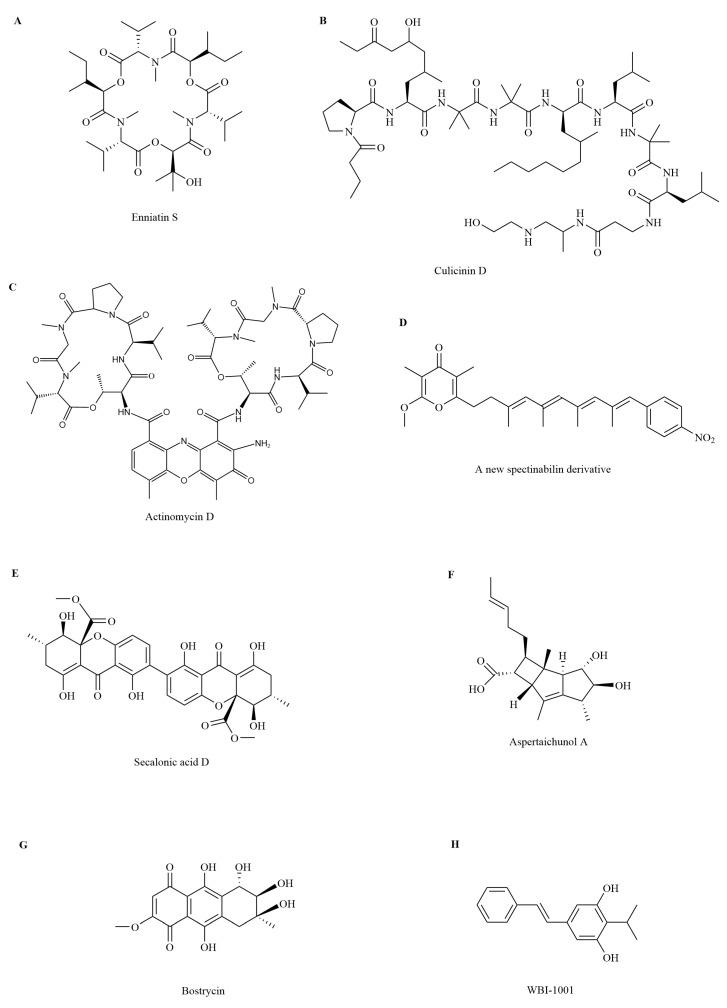
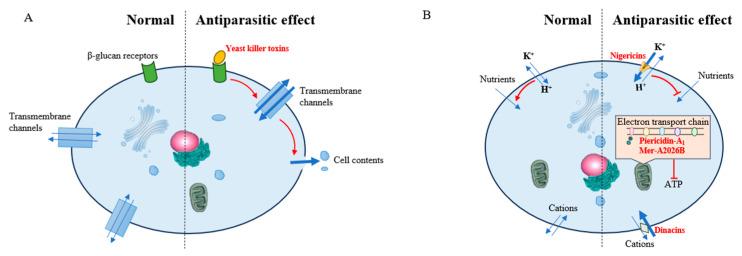
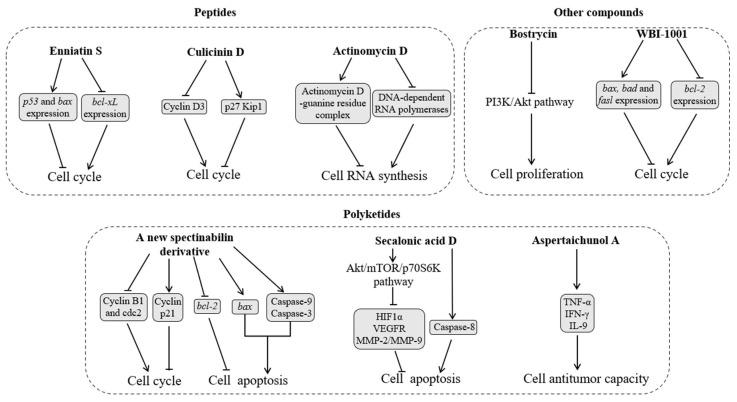
Insect symbionts and their metabolites are complex and diverse and are gradually becoming an important source of new medical materials. Some culturable symbionts from insects produce a variety of active compounds with medical potential. Among them, fatty acids, antibacterial peptides, polyene macrolides, alkaloids, and roseoflavin can inhibit the growth of human pathogenic bacteria and fungi; lipases, yeast killer toxins, reactive oxygen species, pyridines, polyethers, macrotetrolide nactins, and macrolides can kill human parasites; and peptides and polyketides can inhibit human tumors. However, due to difficulty in the culture of symbionts in vitro, difficulty in targeting bacteria to specific sites in the human body, the limited capability of symbionts to produce active metabolites in vitro, inconsistent clinical research results, adverse reactions on humans, and the development of antibiotic resistance, the application of insect symbionts and their metabolites in the medical field remains in its infancy. This paper summarizes the medical potential of insect symbionts and their metabolites and analyzes the status quo and existing problems with their medical application. Possible solutions to these problems are also proposed, with the aim of hastening the utilization of insect symbionts and their metabolites in the medical field.
昆虫共生体及其代谢产物复杂多样,正逐渐成为新型医用材料的重要来源。一些可培养的昆虫共生体能够产生多种具有医学潜力的活性化合物。其中,脂肪酸、抗菌肽、多烯大环内酯、生物碱和玫瑰黄素可抑制人类病原菌和真菌的生长;脂肪酶、酵母杀手毒素、活性氧、吡啶、聚醚、大环四内酯纳菌素和大环内酯可杀死人体寄生虫;肽类和聚酮化合物可抑制人类肿瘤。然而,由于共生体体外培养困难、难以将细菌靶向人体特定部位、共生体体外产生活性代谢产物的能力有限、临床研究结果不一致、对人体有不良反应以及产生抗生素耐药性等问题,昆虫共生体及其代谢产物在医学领域的应用仍处于起步阶段。本文总结了昆虫共生体及其代谢产物的医学潜力,分析了其医学应用的现状和存在的问题,并提出了可能的解决办法,旨在加快昆虫共生体及其代谢产物在医学领域的利用。



 Zotero 插件