
不同类型体育锻炼对老年女性尿失禁管理的影响:随机临床试验的系统评价
Impact of Different Types of Physical Exercises for the Management of Older Women with Urinary Incontinence: A Systematic Review of Randomized Clinical Trials.
作者信息
da Rocha Waleska Souza, Reis-Silva Aline, Coelho-Oliveira Ana Carolina, Moura-Fernandes Marcia Cristina, da Silva Alves Cunha Rosane, Alhammad Ayman, de Sá-Caputo Danúbia da Cunha, Bernardo-Filho Mario, Taiar Redha
机构信息
Medicina Laboratorial e Tecnologia Forense, Universidade do Estado do Rio de Janeiro, Rio de Janeiro 20551-030, RJ, Brazil.
Laboratório de Vibrações Mecânicas e Práticas Integrativas, Departamento de Biofísica e Biometria, Instituto de Biologia Roberto Alcântara Gomes and Policlínica Universitária Piquet Carneiro, Universidade do Estado do Rio de Janeiro, Rio de Janeiro 20551-030, RJ, Brazil.
出版信息
J Clin Med. 2025 May 14;14(10):3425. doi: 10.3390/jcm14103425.
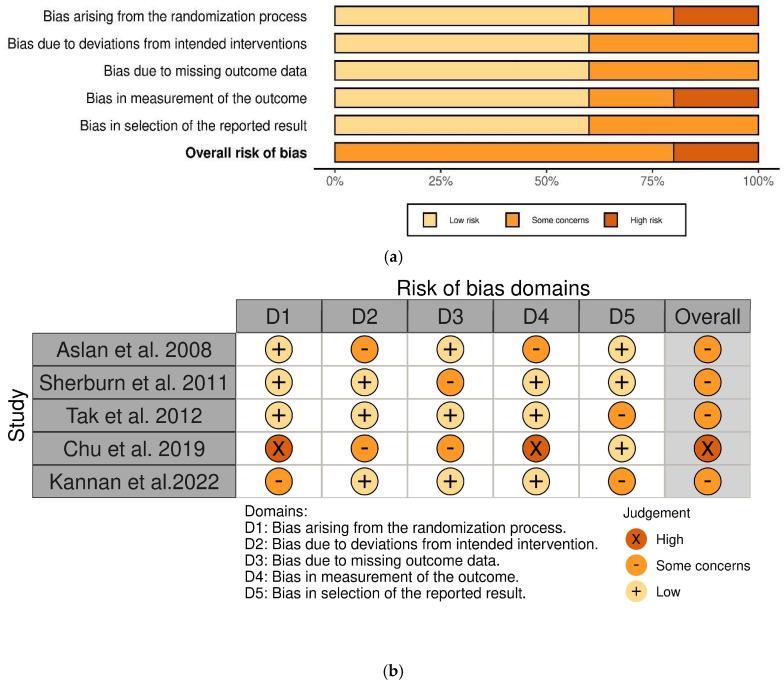
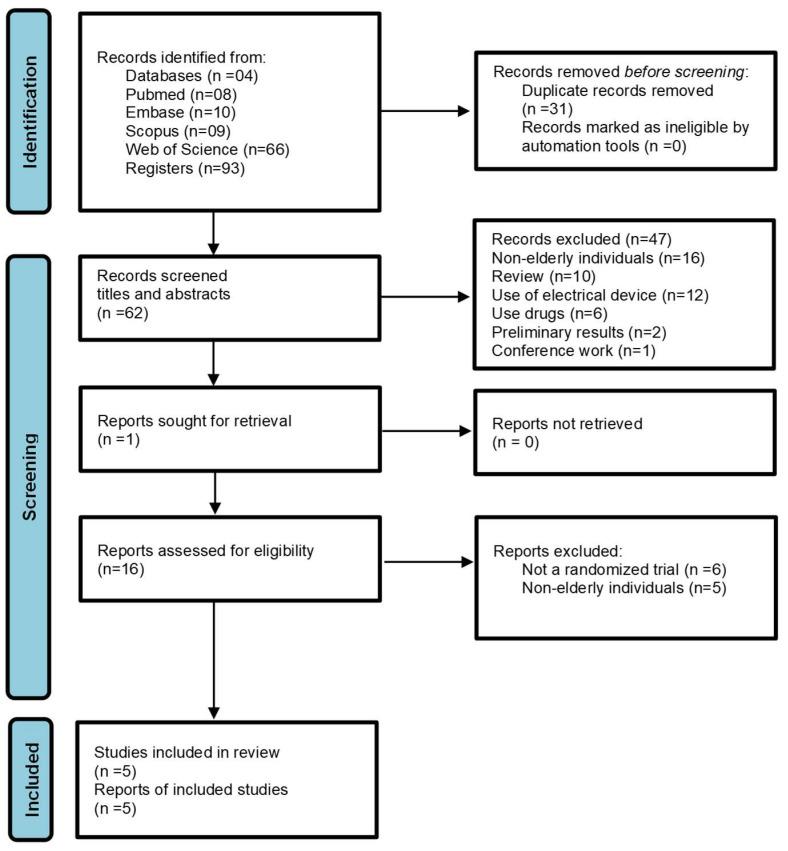
Urinary incontinence (UI) is particularly prevalent in women of all ages, but especially in older women, due to risk factors that contribute to pelvic floor muscle weakness. Urinary incontinence can have a significant psychosocial impact and compromise the quality of life of affected women. It is reported that physical activity seems to be inversely associated with UI. The aim is to summarize the impact of different modalities of physical exercises in management of older women with UI. : Searches were performed in the databases PubMed, Web of Science, EMBASE and Scopus. The searches were performed on 10 December 2024. Only randomized clinical trials were included. Ninety-three papers were initially screened, and five full papers reached all the inclusion criteria describing the effects of exercise on urinary incontinence. The studies included a total of 352 elderly participants aged 60 years or older. Of these participants, 268 lived in nursing homes and 84 lived in a local community. The intervention period varied among the selected studies from 6 weeks to 12 months, and in general, the pelvic floor training was used. : Improvements in the quality of life and in the physical performance of the older women with UI were reported, although the risk of bias was classified as "some concerns". : Moreover, it is revealed that different types of exercises are used to "work" the pelvic floor muscle and contribute, in general, to reducing the symptoms, and improving the quality of life of older women with UI due to the positive impact of the exercises.
尿失禁(UI)在各年龄段女性中都尤为普遍,尤其是老年女性,这是由于一些导致盆底肌肉无力的风险因素所致。尿失禁会产生重大的社会心理影响,并损害受影响女性的生活质量。据报道,身体活动似乎与尿失禁呈负相关。目的是总结不同形式的体育锻炼对老年尿失禁女性管理的影响。:在PubMed、科学网、EMBASE和Scopus数据库中进行了检索。检索于2024年12月10日进行。仅纳入随机临床试验。初步筛选了93篇论文,有5篇全文符合所有纳入标准,描述了运动对尿失禁的影响。这些研究共纳入了352名60岁及以上的老年参与者。其中,268人住在养老院,84人住在当地社区。所选研究的干预期从6周到12个月不等,一般采用盆底训练。:尽管偏倚风险被归类为“有些担忧”,但据报道,老年尿失禁女性的生活质量和身体表现有所改善。:此外,研究表明,不同类型的运动用于“锻炼”盆底肌肉,总体而言,由于运动的积极影响,有助于减轻症状,提高老年尿失禁女性的生活质量。
 Zotero 插件