
宫入菌588联合用药对5-氟尿嘧啶诱导的大鼠腹泻模型肠道屏障功能、水转运及氧化应激的保护作用
The Protective Effects of Combined With Miyairi 588 on Intestinal Barrier Function, Water Transport, and Oxidative Stress in a Rat Model of 5FU-Induced Diarrhea.
作者信息
Tang Sheau-Chung, Chuang Wen-Chen, Liao Jiuan-Miaw, Tsai Yi-Hsuan, Chen Liang-Chuan, Liao Jiunn-Wang, Ko Jiunn-Liang, Ou Chu-Chyn
机构信息
Department of Nursing National Taichung University of Science and Technology Taichung Taiwan.
School of Medicine Chung Shan Medical University Taichung Taiwan.
出版信息
Food Sci Nutr. 2025 May 23;13(6):e70318. doi: 10.1002/fsn3.70318. eCollection 2025 Jun.
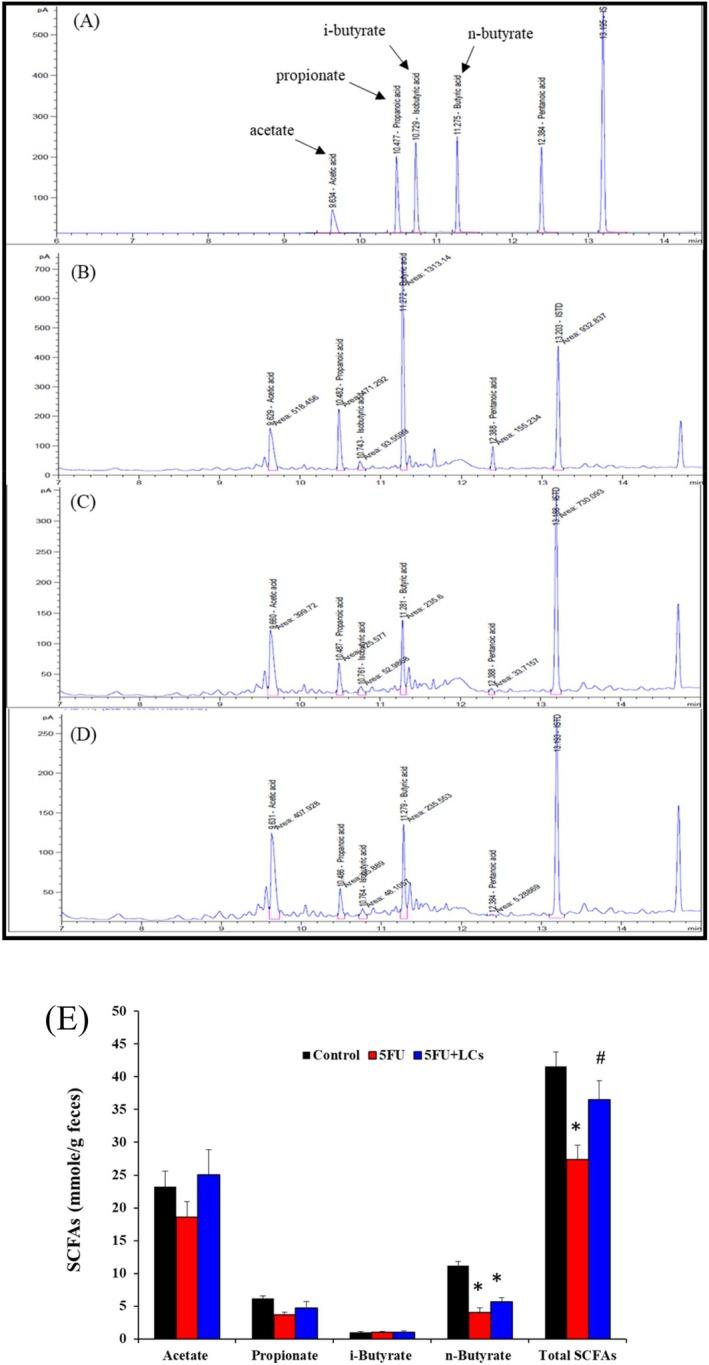
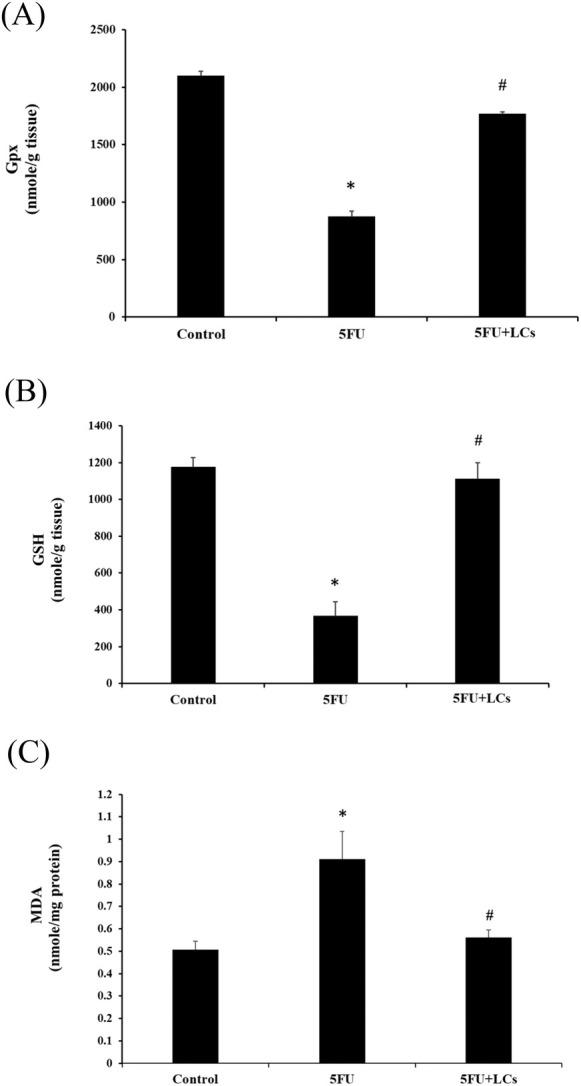
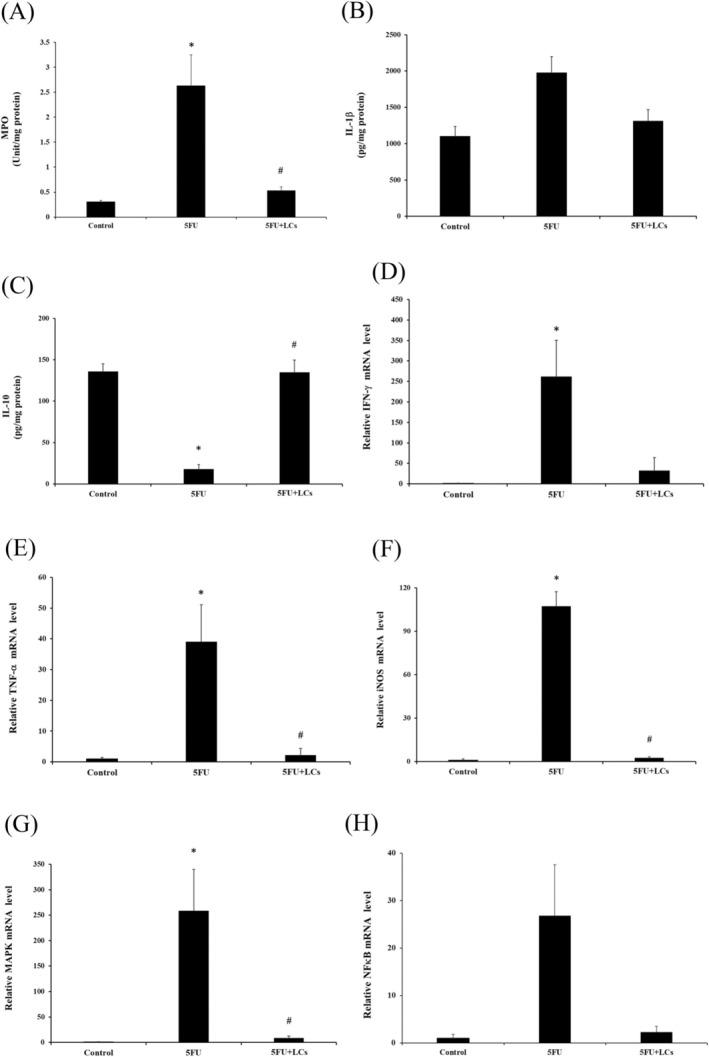
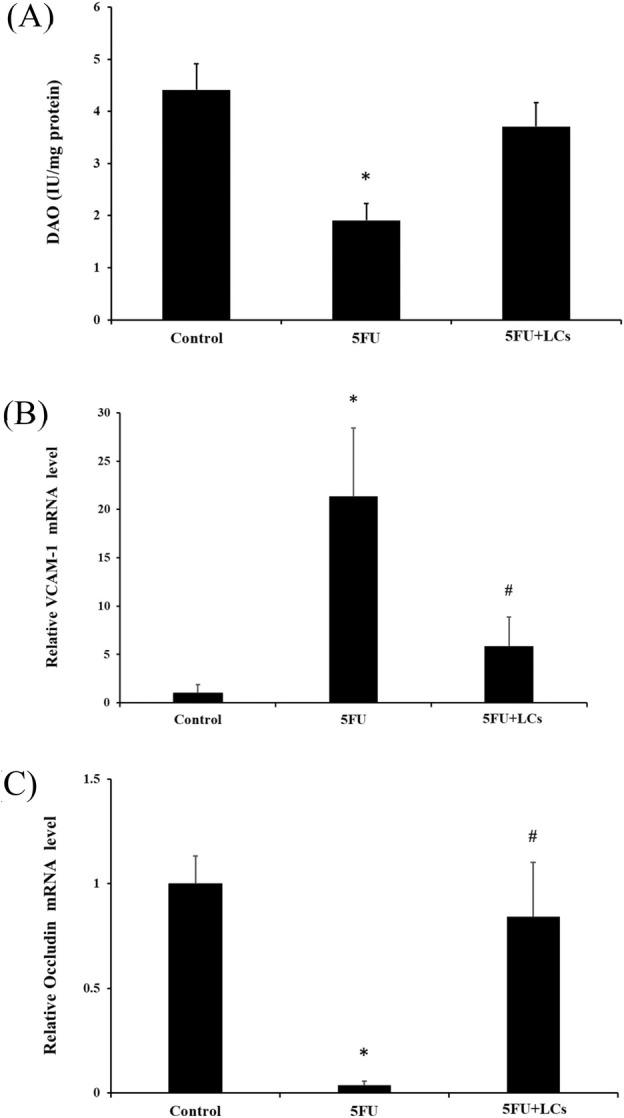
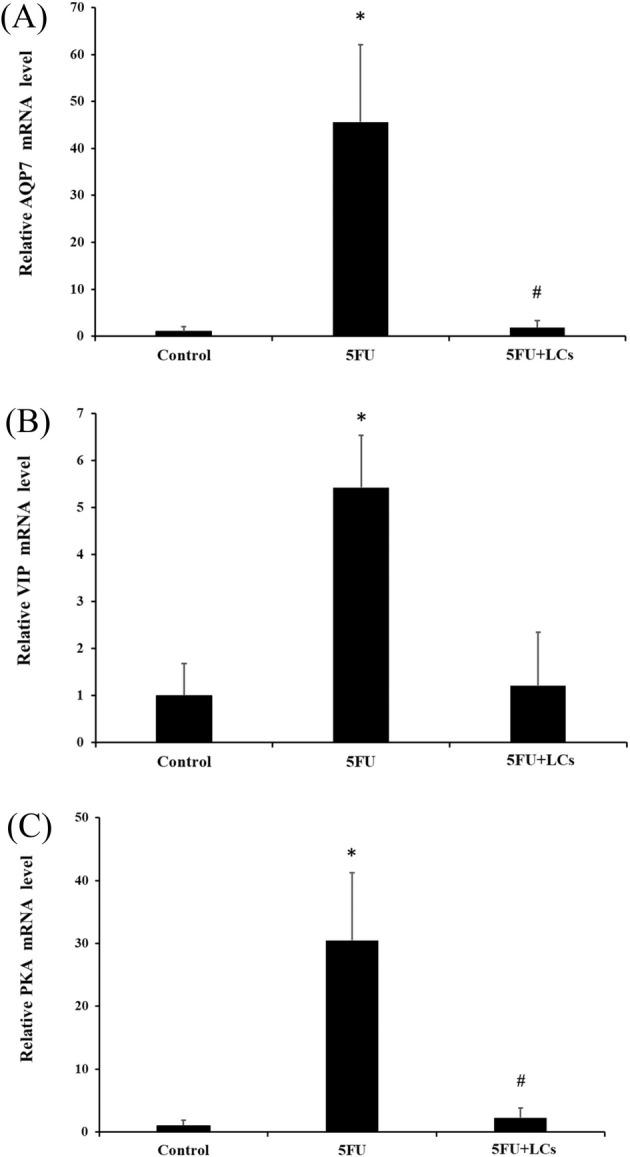
5-Fluorouracil (5FU) is a commonly employed and highly effective chemotherapeutic agent in clinical oncology. Nevertheless, one of the most frequent and debilitating adverse effects associated with 5FU treatment is diarrhea. These gastrointestinal complications can affect patients' quality of life and adherence to treatment regimens. Consequently, addressing and mitigating diarrhea during 5FU therapy presents a critical and urgent challenge in oncological care. This study investigated whether probiotic combined with Miyairi 588 (LCs) can alleviate 5FU-induced diarrhea and the potential mechanism. Wistar rats received 5FU (50 mg/kg, intraperitoneal injection) for 5 consecutive days to establish a 5FU-induced colitis diarrhea model. LCs were administered 15 days before the 5FU injection and continued until the day of sacrifice. Tissue morphology, inflammatory and oxidative stress markers, as well as the expression of mRNA related to intestinal barrier integrity, apoptosis, and aquaporins (AQPs) were evaluated in the colon tissue samples. These analyses used hematoxylin and eosin staining, enzyme-linked immunosorbent assay (ELISA), and quantitative real-time reverse transcription-polymerase chain reaction (qRT-PCR) techniques. Additionally, the concentrations of short-chain fatty acids (SCFAs) were measured using gas chromatography-flame ionization detection (GC-FID) analysis. In this colitis model, LCs mitigated 5FU-induced weight loss, diarrhea, bloody stool, shortened colon length, and colonic histopathology. Treatment with LCs resulted in reduced levels of MDA, TNF-α, IL-1β, and MPO activity, as well as decreased mRNA expression of IFN-γ, AKT, NF-κB, TNF-α, and iNOS. Additionally, LCs significantly downregulated the expression of VCAM-1, CXCL4, MAPK, and caspase-3, while upregulating the tight junction protein occludin expression. LCs also notably diminished the mRNA expression levels of AQP7, VIP, and PKA. This study demonstrates that LCs have therapeutic effects on colitis, primarily through their antioxidant properties, anti-apoptotic effects, mucosal barrier integrity maintenance, neutrophil infiltration reduction, and inflammatory cytokines and aquaporin expression modulation.
5-氟尿嘧啶(5FU)是临床肿瘤学中常用且高效的化疗药物。然而,与5FU治疗相关的最常见且使人衰弱的不良反应之一是腹泻。这些胃肠道并发症会影响患者的生活质量和对治疗方案的依从性。因此,在5FU治疗期间解决和减轻腹泻是肿瘤护理中一项紧迫的关键挑战。本研究调查了益生菌联合宫入菌588(LCs)是否能减轻5FU诱导的腹泻及其潜在机制。Wistar大鼠连续5天接受5FU(50mg/kg,腹腔注射)以建立5FU诱导的结肠炎腹泻模型。在注射5FU前15天给予LCs,并持续至处死当天。对结肠组织样本进行组织形态学、炎症和氧化应激标志物评估,以及与肠道屏障完整性、细胞凋亡和水通道蛋白(AQPs)相关的mRNA表达评估。这些分析采用苏木精和伊红染色、酶联免疫吸附测定(ELISA)和定量实时逆转录-聚合酶链反应(qRT-PCR)技术。此外,使用气相色谱-火焰离子化检测(GC-FID)分析测量短链脂肪酸(SCFAs)的浓度。在该结肠炎模型中,LCs减轻了5FU诱导的体重减轻、腹泻、血便、结肠长度缩短和结肠组织病理学改变。LCs治疗导致丙二醛、肿瘤坏死因子-α、白细胞介素-1β水平和髓过氧化物酶活性降低,以及干扰素-γ、AKT、核因子-κB、肿瘤坏死因子-α和诱导型一氧化氮合酶的mRNA表达降低。此外,LCs显著下调血管细胞黏附分子-1、CXC趋化因子配体4、丝裂原活化蛋白激酶和半胱天冬酶-3的表达,同时上调紧密连接蛋白闭合蛋白的表达。LCs还显著降低了水通道蛋白7、血管活性肠肽和蛋白激酶A的mRNA表达水平。本研究表明,LCs对结肠炎具有治疗作用,主要通过其抗氧化特性、抗凋亡作用、维持黏膜屏障完整性、减少中性粒细胞浸润以及调节炎性细胞因子和水通道蛋白表达来实现。


 Zotero 插件