
利用反向遗传学技术对一组广泛中和性单克隆抗体针对新冠病毒(SARS-CoV-2)新出现变异株的抗性进行测定。
Determination of resilience of a panel of broadly neutralizing mAbs to emerging variants of SARS-CoV-2 generated using reverse genetics.
作者信息
Afzal Madeeha, Melnyk Diana, Courty Thomas, Schimanski Lisa, Hill Michelle, Neil Stuart, Tan Tiong Kit, James William S
机构信息
James & Lillian Martin Centre, Sir William Dunn School of Pathology, University of Oxford, South Parks Road, OX1 3RE Oxford, UK.
MRC Translational Immune Discovery Unit, MRC Weatherall Institute of Molecular Medicine, John Radcliffe Hospital, University of Oxford, OX3 9DS Oxford, UK.
出版信息
iScience. 2025 Apr 16;28(6):112451. doi: 10.1016/j.isci.2025.112451. eCollection 2025 Jun 20.
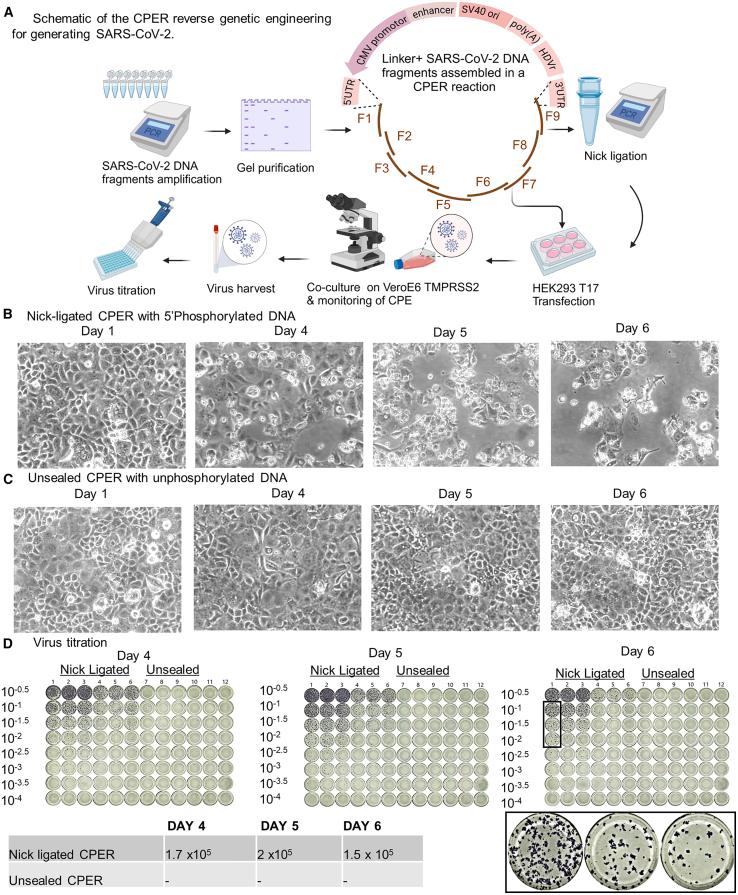
SARS-CoV-2 continues to evolve, and its emerging variants might escape the immune responses generated by existing vaccines and therapeutic mAbs. Accordingly, rapid analysis of their possible neutralization phenotype is essential and can be facilitated by reverse genetics (RGs) systems to regenerate viruses with variant-specific substitutions. Here, we efficiently generate a panel of recent variants of SARS-CoV-2 (Omicron XBB.1.16, EG.5.1, BA.2.86, and JN.1) using a substantially optimized circular polymerase extension reaction (CPER) RGs system. Neutralization potency was analyzed for mAbs targeting different regions of spike protein. mAbs P4-J15, C68.61, S2X259, and IY-2A IgG were able to neutralize all recent viruses. However, S309, which was previously used to treat infection and targets the outer face of RBD, showed ∼75-fold reduction in potency versus JN.1. Moreover, C68.59, which targets the SD1 region of the CTD, was unable to neutralize either BA.2.86 or JN1, which share the E554K substitution in SD1. CPER RGs system and microneutralization assays can be adopted as effective tools to evaluate the efficacy of therapeutic mAbs against emerging variants in a time-responsive manner.
严重急性呼吸综合征冠状病毒2(SARS-CoV-2)持续进化,其新出现的变体可能逃避现有疫苗和治疗性单克隆抗体产生的免疫反应。因此,快速分析它们可能的中和表型至关重要,而反向遗传学(RGs)系统有助于实现这一点,该系统可用于产生具有变体特异性替换的病毒。在此,我们使用经过大幅优化的环化聚合酶延伸反应(CPER)RGs系统,高效地产生了一组近期的SARS-CoV-2变体(奥密克戎XBB.1.16、EG.5.1、BA.2.86和JN.1)。分析了针对刺突蛋白不同区域的单克隆抗体的中和效力。单克隆抗体P4-J15、C68.61、S2X259和IY-2A IgG能够中和所有近期病毒。然而,先前用于治疗感染且靶向RBD外表面的S309,对JN.1的效力降低了约75倍。此外,靶向CTD的SD1区域的C68.59无法中和在SD1中具有E554K替换的BA.2.86或JN1。CPER RGs系统和微量中和试验可作为有效的工具,及时评估治疗性单克隆抗体对新出现变体的疗效。




 Zotero 插件