
外泌体与免疫调节:对神经母细胞瘤免疫治疗的影响
Exosomes and immune modulation: implications for neuroblastoma immunotherapy.
作者信息
Morini Martina, Vitale Chiara, Ardito Martina, Dondero Alessandra, Cortese Katia, Bottino Cristina, Castriconi Roberta
机构信息
Laboratory of Experimental Therapies in Oncology, IRCCS Istituto Giannina Gaslini, Genova, Italy.
Department of Experimental Medicine, University of Genova, Genova, Italy.
出版信息
Front Immunol. 2025 May 27;16:1600062. doi: 10.3389/fimmu.2025.1600062. eCollection 2025.
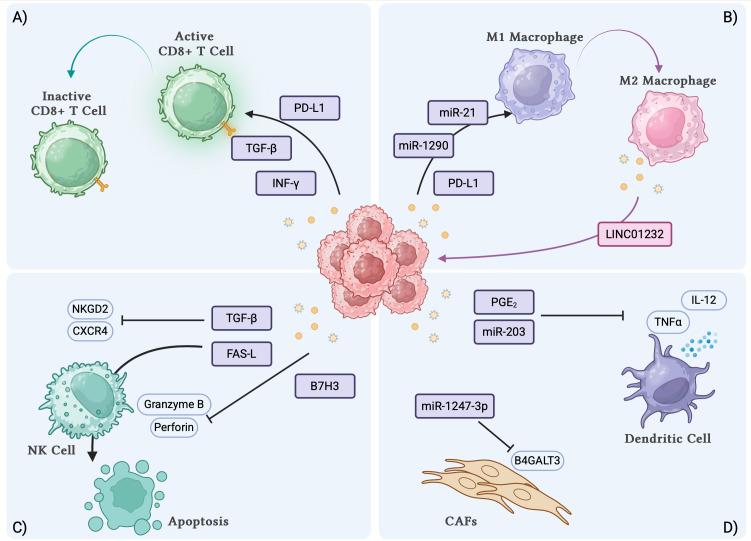
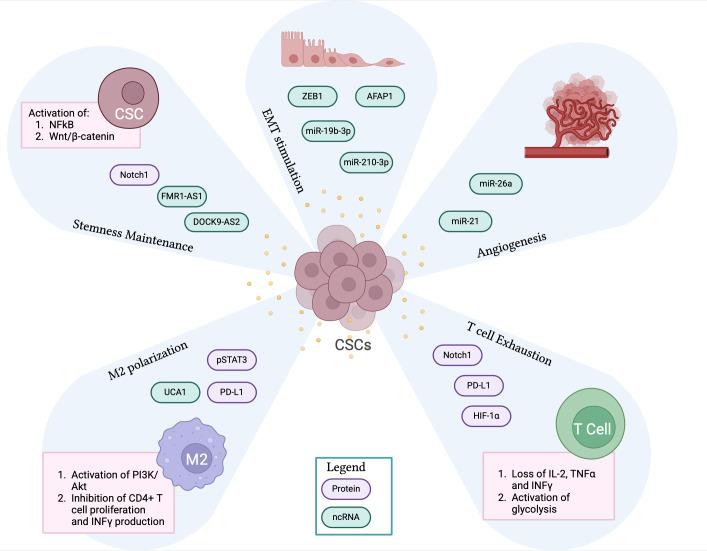
Exosomes are nano-sized extracellular vesicles involved in cell homeostasis. Tumor-derived exosomes (TDEs) promote tumor progression by creating an immunosuppressive tumor microenvironment (TME), inhibiting T and NK cell activity, preventing dendritic cell maturation, and expanding immunosuppressive cell populations. Cancer Stem Cell (CSC)-derived exosomes further trigger functional changes in immune cells subsets, enhancing immune suppression. Consequently, blocking the release or the uptake of TDEs significantly impact immunotherapy efficacy, making them potential therapeutic targets. On the other hand, NK cell-derived exosomes can be engineered to carry immune-activating molecules or inhibitors of immune checkpoint molecules to elicit immune responses. This review highlights the interplay between TDEs and immune cells, particularly NK cells, in different tumors, with a focus on neuroblastoma, and explores exosome-based strategies to improve immunotherapy efficacy.
外泌体是参与细胞稳态的纳米级细胞外囊泡。肿瘤来源的外泌体(TDEs)通过营造免疫抑制性肿瘤微环境(TME)、抑制T细胞和自然杀伤(NK)细胞活性、阻止树突状细胞成熟以及扩大免疫抑制细胞群体来促进肿瘤进展。癌症干细胞(CSC)来源的外泌体进一步引发免疫细胞亚群的功能变化,增强免疫抑制作用。因此,阻断TDEs的释放或摄取会显著影响免疫治疗效果,使其成为潜在的治疗靶点。另一方面,可以对NK细胞来源的外泌体进行改造,使其携带免疫激活分子或免疫检查点分子抑制剂以引发免疫反应。本综述重点介绍了神经母细胞瘤等不同肿瘤中TDEs与免疫细胞(尤其是NK细胞)之间的相互作用,并探讨了基于外泌体提高免疫治疗效果的策略。

 Zotero 插件