
神经系统中的障碍:肌萎缩侧索硬化症新型生物标志物面临的挑战与机遇
Barriers in the Nervous System: Challenges and Opportunities for Novel Biomarkers in Amyotrophic Lateral Sclerosis.
作者信息
Pisoni Lorena, Donini Luisa, Gagni Paola, Pennuto Maria, Ratti Antonia, Verde Federico, Ticozzi Nicola, Mandrioli Jessica, Calvo Andrea, Basso Manuela
机构信息
Department of Cellular, Computational and Integrative Biology-CIBIO, University of Trento, 38123 Trento, Italy.
Consiglio Nazionale delle Ricerche, Istituto di Scienze e Tecnologie Chimiche "Giulio Natta" (SCITEC-CNR), 20131 Milano, Italy.
出版信息
Cells. 2025 Jun 5;14(11):848. doi: 10.3390/cells14110848.
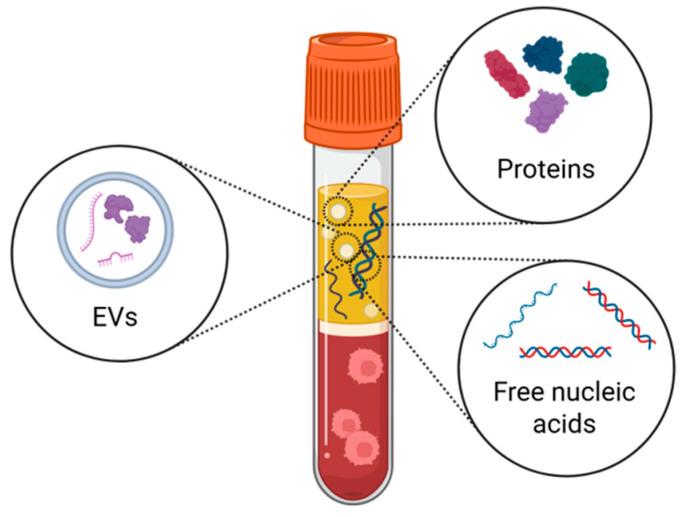
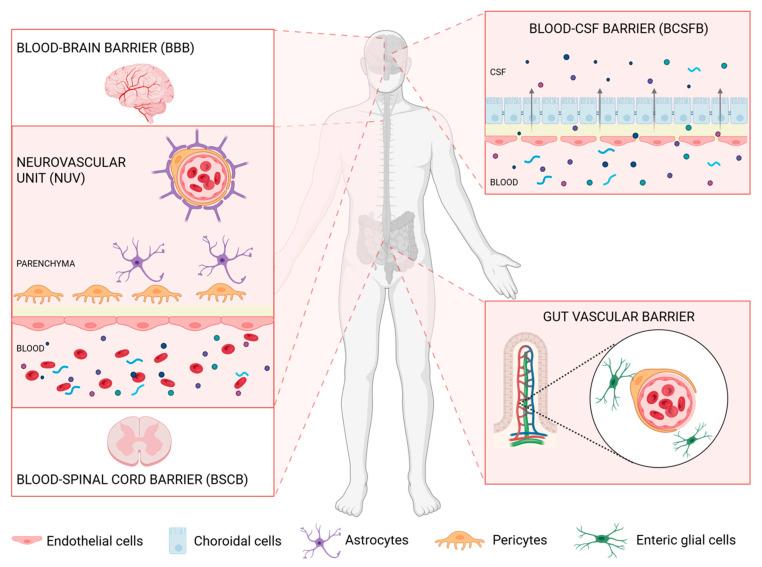
Amyotrophic Lateral Sclerosis (ALS) is a complex neurodegenerative disorder characterized by wide phenotypic heterogeneity. Despite efforts to carefully define and stratify ALS patients according to their clinical and genetic features, prognosis prediction still remains unreliable. Biomarkers that reflect changes in the central nervous system would be useful, but the physical impossibility of direct sampling and analysis of the nervous system makes them challenging to validate. A highly explored option is the identification of neuronal-specific markers that could be analyzed in peripheral biofluids. This review focuses on the description of the physical and biological barriers to the central nervous system and of the composition of biofluids in which ALS disease biomarkers are actively searched. Finally, we comment on already validated biomarkers, such as the neurofilament light chain, and show the potential of extracellular vesicles (EVs) and cell-free DNA as additional biomarkers for disease prediction.
肌萎缩侧索硬化症(ALS)是一种复杂的神经退行性疾病,具有广泛的表型异质性。尽管人们努力根据临床和遗传特征对ALS患者进行仔细定义和分层,但预后预测仍然不可靠。反映中枢神经系统变化的生物标志物会很有用,但直接对神经系统进行采样和分析在实际操作上不可行,这使得它们难以得到验证。一个得到深入探索的选择是鉴定可在外周生物流体中分析的神经元特异性标志物。本综述着重描述了中枢神经系统的物理和生物屏障,以及正在积极寻找ALS疾病生物标志物的生物流体的组成。最后,我们对已得到验证的生物标志物(如神经丝轻链)进行评论,并展示细胞外囊泡(EVs)和游离DNA作为疾病预测的额外生物标志物的潜力。

 Zotero 插件